Trump, Xi, and Putin convene in Shenzhen for landmark trilateral summit
The US, China, and Russia are set to hold their first trilateral summit in Shenzhen, with nuclear proliferation and the Iran war topping the agenda.
By Marina Weber ·
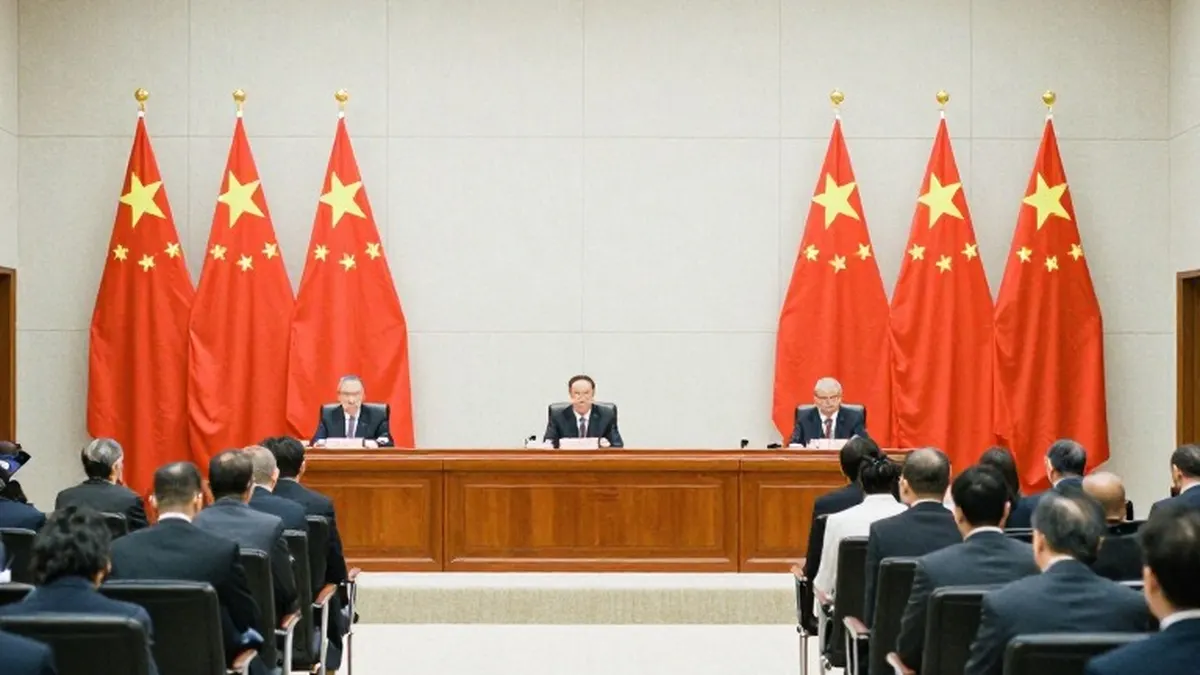
US President Donald Trump, Chinese President Xi Jinping, and Russian President Vladimir Putin are set to hold their first trilateral meeting on November 18 and 19. The White House confirmed on Friday that the leaders will gather in Shenzhen, China, on the sidelines of the Asia-Pacific Economic Cooperation summit. While the official agenda centers on nuclear proliferation, the discussions occur against a backdrop of significant global instability, including the ongoing conflict in Ukraine, the US-Israeli war in Iran, and persistent trade tensions between Washington and Beijing.
A primary focus for Moscow and Washington is the New Strategic Arms Reduction Treaty, which expired in February of this year. The original agreement, signed in 2010, placed caps on the strategic nuclear arsenals of the two nations. Although Russia currently holds the largest number of warheads, followed by the US and then a rapidly expanding Chinese arsenal, Beijing has shown reluctance to join a framework it did not help create. President Trump previously rejected a simple extension, demanding a modernized deal that includes China, yet administration officials indicate that no formal agreement is expected from these talks.
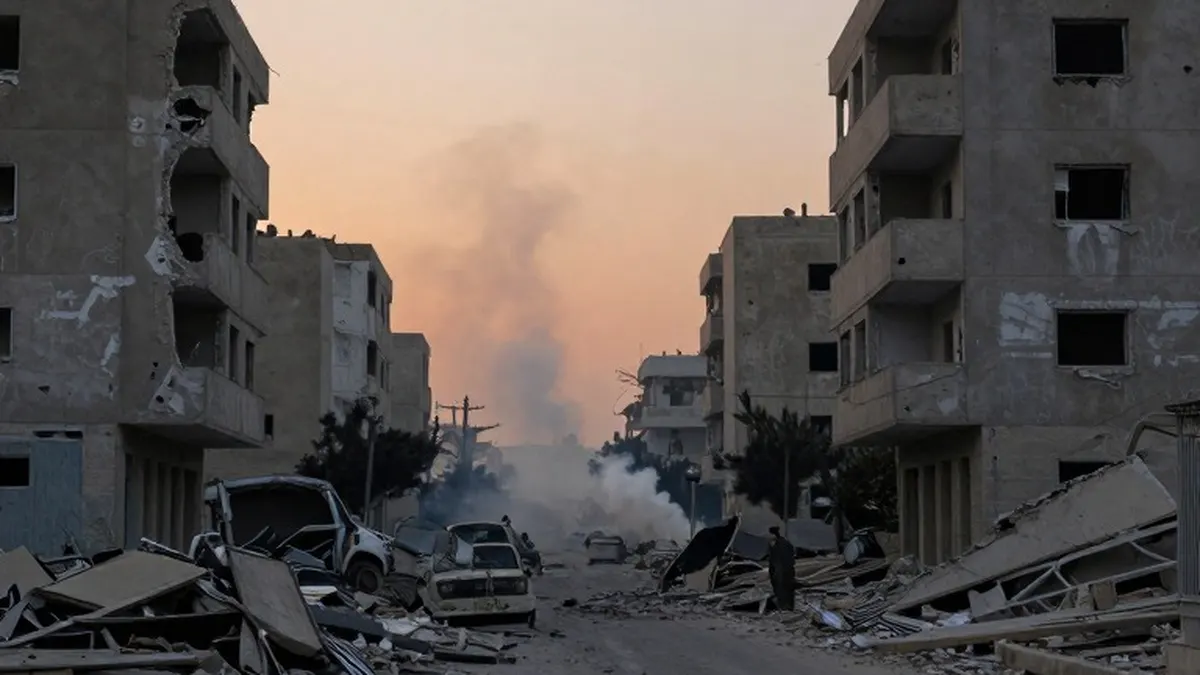
The leaders are also expected to address the war in Iran, which began on February 28. Despite a current pause in full-scale strikes, the conflict remains deadlocked. The Strait of Hormuz, a critical route for one-third of China's crude oil supply, has remained closed for over one hundred days. Ships continue to face mines and Iranian attacks, causing volatile energy prices. Russia has benefited from these rising prices and recent US sanctions relief, while China faces hampered export demand due to the conflict.
Trade relations between the US and China remain strained by tariffs and the competition for artificial intelligence microchips. Last year, Washington imposed a 145 percent tax on Chinese goods, prompting Beijing to retaliate with 125 percent levies. Although recent meetings have led to reduced tariffs and new deals, tensions flared again after a scandal at chipmaker Nvidia. The US alleged China was spying on the company's CEO, a claim Beijing denies.
The war in Ukraine is unlikely to be a central topic. A senior US official stated that President Trump will not raise the issue, noting that China views the conflict as a European matter. This stance aligns with ongoing peace efforts, as US envoys Steve Witkoff and Jared Kushner are visiting both Kyiv and Moscow this week. The US is currently pursuing a diplomatic track that does not include Beijing, making a trilateral discussion of Ukraine seem inappropriate to officials.
Analysts suggest that Russia views the summit as an opportunity to project power and secure a position of first among equals, thereby influencing Europe's security architecture. Alexander Bratersky, a Moscow-based analyst, noted that the meeting allows Putin to display his diplomatic weight domestically. For China, the goal is to seek a resolution to the Iran war to protect its energy supplies while avoiding premature inclusion in nuclear disarmament talks.
President Trump aims to use the summit to demonstrate his administration's diplomatic reach, particularly as Iran resists US demands. He seeks to present himself as a leader capable of managing relationships with other strongmen, including North Korea's Kim Jong Un. However, Simon Mabon, a professor at Lancaster University, described the event as potentially performative, with impressive photo opportunities and bombastic rhetoric rather than substantive conflict resolution.
The meeting follows a crushing defeat for Trump's Republican Party in last week's midterm elections. Experts warn that a new Democrat-led Congress may support Ukraine more strongly, potentially undermining the president's leverage in negotiations. Meanwhile, Russian Foreign Affairs Committee Chairman Pyotr Tolstoy has suggested the summit could lead to a new Yalta, referencing the 1945 conference where major powers shaped the post-war world order.
Kremlin spokesman Dmitry Peskov called the trilateral meeting extremely significant. However, he emphasized that any agreements reached by the three leaders cannot be imposed on other nations. As the leaders prepare to meet in Shenzhen, the world watches to see if this gathering will yield concrete results or primarily serve as a stage for global diplomacy.