Tajikistan leaves ICC as Putin visits
The country terminated its membership in the Rome Statute on November 20, the same day the Russian president arrived.
By Amir Navarro ·
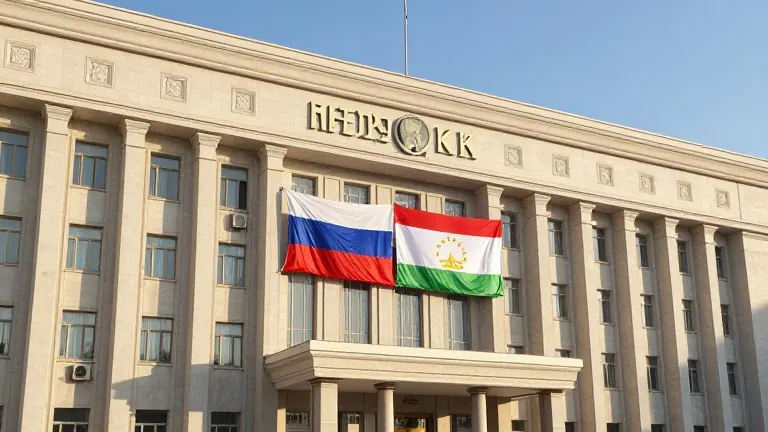
Dushane has officially exited the International Criminal Court. The move took effect on November 20, 2026, the exact date Vladimir Putin arrived in the capital. An official notice confirmed the termination of Tajikistan’s membership in the Rome Statute.
This timing removes a specific legal burden for the visiting leader. Under the Rome Statute, member states must generally arrest individuals with active warrants if they enter the country. By leaving the court, Dushanbe eliminated the requirement for local authorities to detain Putin upon his arrival.
Putin has carried an ICC arrest warrant since 2023. The warrant covers him and Maria Lvova-Belova, Russia’s commissioner for children’s rights. It stems from allegations regarding the unlawful deportation of Ukrainian children. His visit occurred while these warrants remained active.
The trip was part of a wider diplomatic schedule. Putin was returning to Moscow after a summit in Shenzhen, China, held on November 19. He met with US President Donald Trump and Chinese leader Xi Jinping there. Reports indicate Trump urged both leaders to join a collective effort to counter the court’s influence.
The ICC reacted to the news with a statement of regret. The court noted that when states disengage, it risks the collective pursuit of justice. It emphasized that its effectiveness depends on sustained support from the international community to weaken efforts to end impunity.
This withdrawal follows earlier diplomatic pressures on the court. In September 2023, the European Parliament called for an arrest warrant against Alexander Lukashenko, the president of Belarus. That request also connected to the deportation of Ukrainian children. The current maneuver aligns with those earlier calls for action against leaders involved in the conflict.
The news was initially reported by Le Monde and cited by European Pravda. The development illustrates the tension between international legal obligations and diplomatic visits. Dushanbe aligned its exit date with Putin’s presence to shield him from the court’s mechanisms within its borders.