Sudan's manufacturing sector faces slow recovery after three years of war
Three years into the conflict, Sudanese factories in Khartoum are struggling to restart, with many operating at reduced capacity due to significant financial losses and infrastructure damage.
By Marina Weber ·
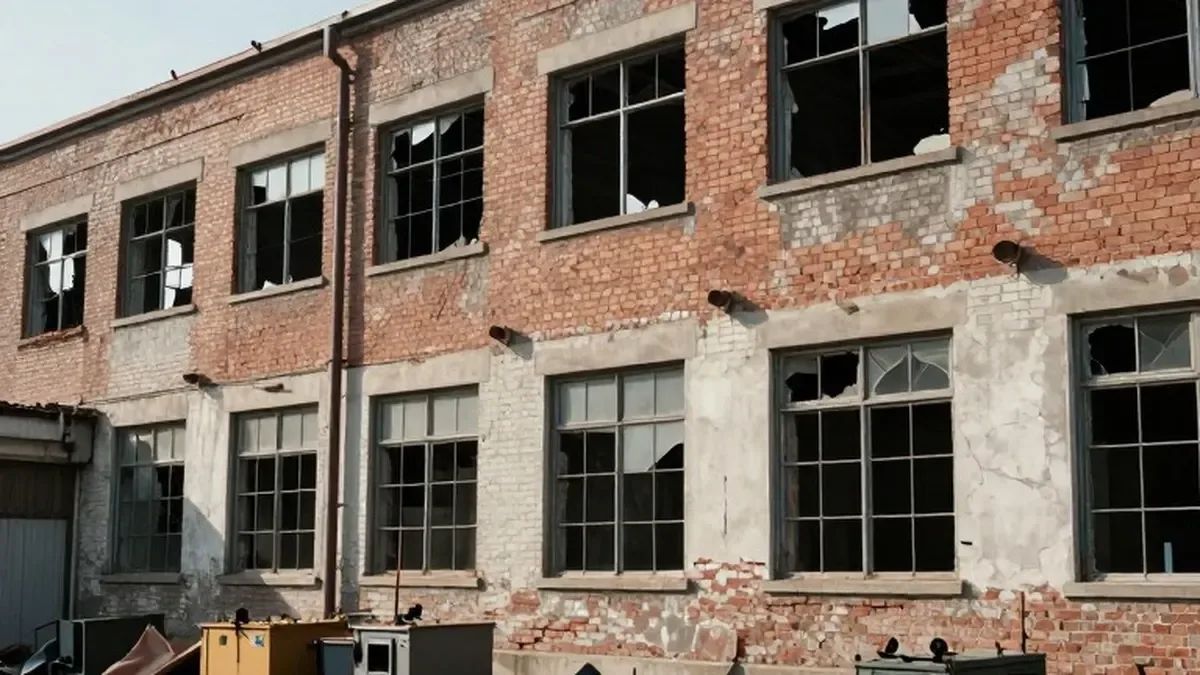
Mansour Gaily’s sweets factory in Khartoum, which once supplied local markets and employed numerous workers, came to a complete stop when fighting broke out between the Sudanese Armed Forces and the Rapid Support Forces in April 2023. More than three years later, Gaily is attempting to revive his business, but the operation currently runs at only 40 percent of its pre-war capacity.
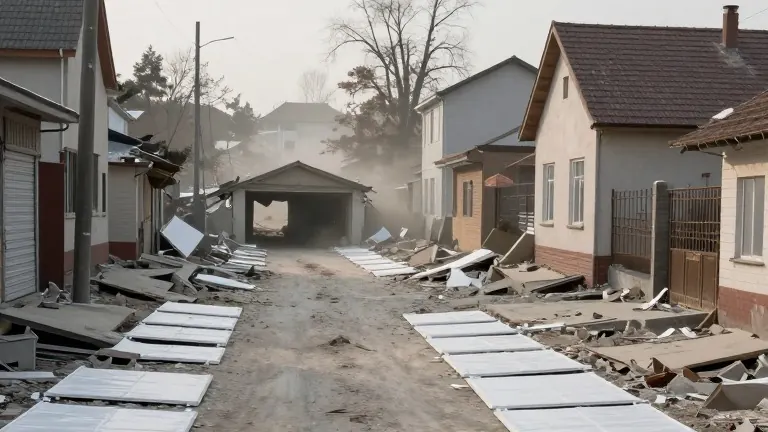
Gaily estimates his personal losses at one million dollars, citing the destruction of machinery, spare parts, and large sections of the factory structure. His experience mirrors the broader devastation suffered by Sudan’s manufacturing industry. Before the conflict, Khartoum served as a primary industrial hub for food, textiles, and consumer goods, but it became a major battlefield, leaving the sector largely unrepaired despite the army’s recapture of the city last year.
According to the Ministry of Industry, the war has damaged approximately 1,800 industrial facilities, including 650 factories that were completely destroyed. These figures highlight the severe challenge facing a sector that is vital for employment, domestic production, and overall economic recovery. Abdulelah Mohamed, who owns a plastic products and recycling factory, described the situation as catastrophic, noting that the damage and looting were systematic.
The impact extends beyond physical structures to include raw materials, finished goods, and equipment. Additional hurdles such as electricity shortages, damaged transport networks, and rising import costs have made reopening difficult even for businesses whose premises survived. Sara Elfatih Khalil, chief executive of Al Teital Advance Industries, noted that her sesame oil factory remains shut after its warehouses were looted and its supply chain broken.
Khalil emphasized that less than 10 percent of factories in the sector are currently operational, with those that remain open working intermittently. She stated that restoring investor confidence requires security, political stability, consistent economic policies, and reliable financing. For Gaily, the primary challenge is maintaining a steady supply of ingredients like sesame and sugar, along with necessary packaging and labor, to keep production viable.
The consequences of the industrial decline are felt by workers and consumers alike. Mohamed Haj, a former sweets factory worker, lost his job at the start of the war and has struggled to find new employment. He believes that reviving the industrial sector could provide jobs for thousands of displaced workers. At the retail level, shopkeepers in areas like Bahri Central Market face reduced availability of locally made goods, forcing some to rely on imports that may be cheaper but less preferred by customers.
Consumers report that prices for both local and imported products are fluctuating daily, adding pressure to household budgets. While some imported items are more affordable, many Sudanese still prefer domestic brands. To address these issues, the government established a Ministry of Industry committee in August to assess industrial facilities in Khartoum State and prepare incentives for factory owners. The recovery plan also includes restoring essential services such as electricity, water, and roads in industrial zones.
However, factory owners argue that infrastructure restoration is not enough. Representatives from the Sudanese Chamber of Commerce say businesses need practical assistance and capital to replace equipment and stock. Economist Mohamed Elnayer suggests that the reconstruction offers a chance to address structural weaknesses that existed before the war, such as the over-concentration of industry in the capital.
Elnayer proposes that rebuilding the industrial sector across different states could prevent future paralysis if conflict returns to Khartoum and spread economic benefits more evenly. Gaily and other manufacturers are calling for stronger government support, including facilitated production, infrastructure rehabilitation, and coordinated financial assistance to sustain the economic recovery.
Source: Al Jazeera