Seismic Activity: Central Japan Earthquake Injures 22
A magnitude 5.7 quake struck Shizuoka Prefecture at 1:04 a.m., damaging infrastructure and triggering precautionary speed reductions on high-speed rail lines.
By Amir Navarro ·
At least 22 people were injured when a magnitude 5.7 earthquake struck central Japan at 1:04 a.m. on Sunday, according to local media reports. The Japan Meteorological Agency determined the initial magnitude, while the United States Geological Survey recorded the event at 5.5. Subsequent aftershocks of lower intensity followed the main shock.
The epicenter was located at a depth of approximately 40 kilometers within Shizuoka Prefecture. The tremor affected a wide region, including the neighboring Aichi Prefecture, which experienced the most intense shaking. Other impacted areas included Hamamatsu, the former capital cities of Kyoto and Nara, and the Yamanashi and Gifu prefectures. The epicenter was distant enough from Tokyo that the capital did not feel the movement.
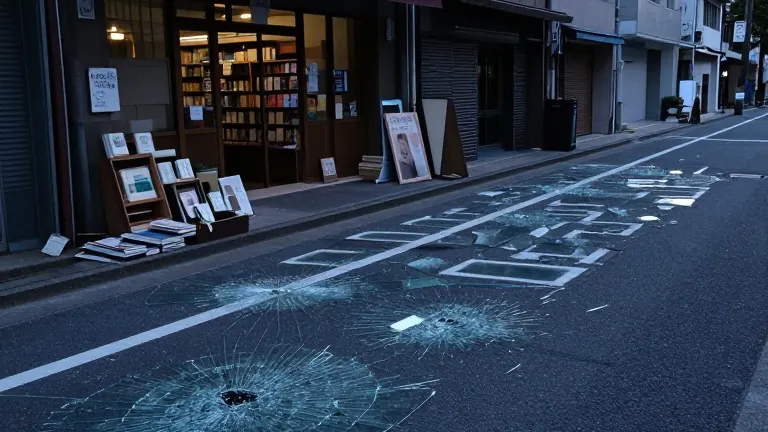
Local news footage captured the immediate physical impact on urban areas. Storefront windows shattered, scattering glass across streets. In one scene, a bookstore was left with piles of books that had fallen from shelves. Among the 22 injured, several were individuals who fell down staircases while attempting to evacuate buildings.
Transportation networks responded with immediate safety protocols. Shinkansen bullet trains in the affected zones reduced their speeds as a precautionary measure. Operators frequently implement these restrictions following seismic events to account for potential damage to tracks or the structural integrity of the rail lines.
Japan sits on a highly active seismic zone, making such events a recurring feature of the national environment. The recent earthquake adds to the series of tectonic activities recorded in the region. Official assessments continue to monitor the area for further tremors and structural damage.
The incident underscores the ongoing challenges of infrastructure maintenance in seismically active zones. While no major structural collapses were reported in the initial updates, the speed of the initial response and the specific injuries sustained by evacuees provide data for future safety reviews. The two major agencies tracking the event reported consistent readings regarding the depth and location of the seismic activity.