Saudi Arabia braces for months-long Yemen campaign as attacks disrupt events at home
Saudi officials are preparing for the war against Yemen's Houthis to stretch well into next year, even as battlefield setbacks and strikes on Saudi soil derail investment plans and global sporting events, Western officials said.
By Amir Navarro ·

Saudi Arabia is gearing up for its war against Yemen's Houthi movement to continue well into next year, pressing ahead despite losses on the battlefield and attacks that are increasingly disrupting daily life inside the kingdom, according to two Western officials briefed by the Saudis on the plans.
The renewed fighting has become the most active front in the wider war with Iran, killing and wounding thousands, forcing hundreds of thousands from their homes in Yemen, and undermining Saudi Arabia's drive to attract non-oil investment and stage major international events.
Saudi officials now anticipate the campaign lasting as long as six more months, with the goal of securing battlefield gains by the kingdom's Yemeni allies before entering any negotiations with the Houthis, the Western officials said. They spoke on condition of anonymity to discuss non-public conversations with Saudi counterparts. A third source familiar with the Saudi plans confirmed the accounts, and all three said a deal ending the broader Iran war could also bring the Yemen conflict to a drawdown.
The third source added that Riyadh believes US offensive support for Saudi operations in Yemen, which President Donald Trump's administration has so far declined to provide, could shift the course of the conflict and allow Saudi-backed forces to achieve their objectives within weeks. A Saudi Foreign Ministry official declined to comment on the views described by the Western officials.
Saudi Arabia first intervened in Yemen in 2015 at the head of an Arab coalition seeking to restore the country's government after the Houthis seized the capital, Sanaa, and much of the country. The war ground into a bloody stalemate before a 2022 ceasefire, which held until the summer of this year. Since fighting resumed, the Houthis have taken the Red Sea coast and the strategic Bab al-Mandab Strait from Saudi-backed forces and encircled the highland city of Taiz above the government's temporary capital, Aden.
Yemeni government forces launched a counterattack last month, retaking territory around the strait, but pulled back over the past weekend to defend Aden in what amounted to a major setback. Saudi and Yemeni forces are now regrouping, with plans to shield Aden from Houthi advances and possibly redirect their offensive toward eastern fronts where they have made gains or at least held their lines, one of the Western officials said. Saudi Arabia announced on Monday that it had replaced the commander overseeing the coalition, and Yemen's government is expected to reshuffle its own military leadership, according to two people familiar with its plans.
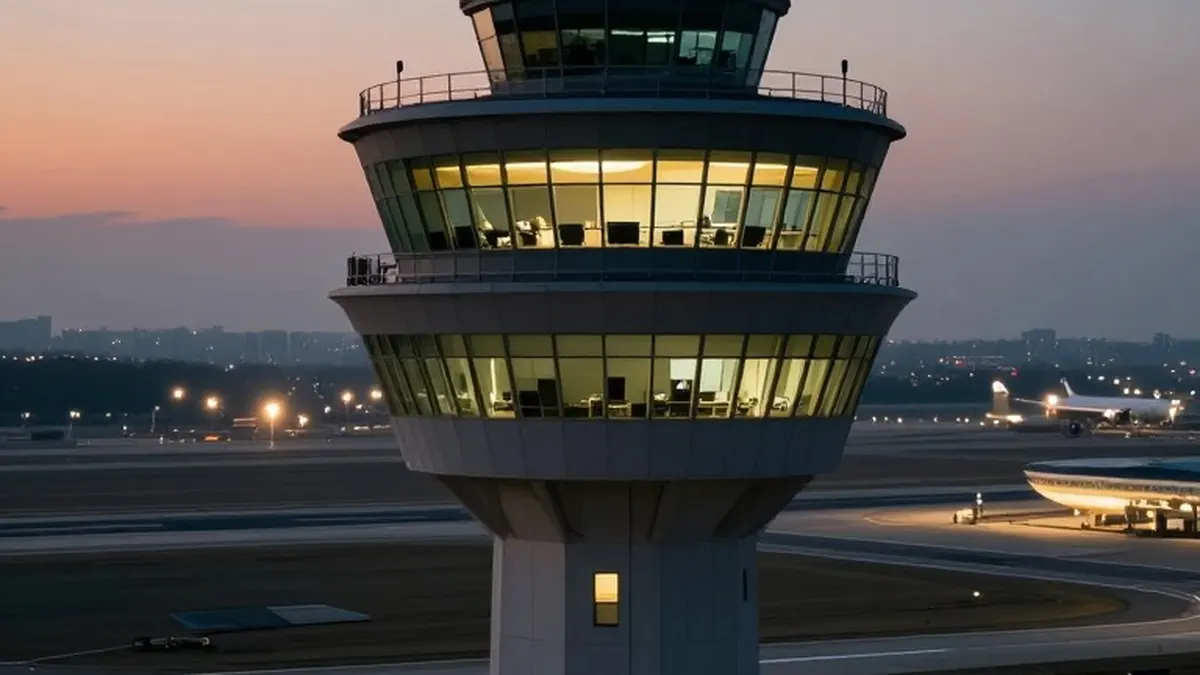
The kingdom has tried to frame its renewed conflict with the Houthis as a Yemeni matter, presenting itself as a supporter of Yemeni allies and a defender against cross-border attacks rather than a full party to the war. That stance has grown harder to sustain amid repeated high-profile strikes on Saudi cities. A Houthi attack last week tore a gaping hole in the towering Riyadh headquarters of state oil company Aramco, while a series of deadly strikes on the capital's airport has kept it closed to most flights since October.
The fallout has forced the cancellation or postponement of prestige events, including the flagship FII investment conference. The AFC Asian Cup soccer tournament, a centerpiece of Saudi Arabia's long campaign to establish itself as a global sports hub, has been pushed from January 2027 to the following December. Since last month, authorities have issued regular alerts ahead of attacks and more detailed statements afterward, a departure from the limited information previously released. Images of attack aftermaths remain restricted under laws criminalizing their distribution, though the deputy governor of Riyadh visited the damaged Aramco Tower two days after it was hit and state media showed the destruction.
The war has also entered the kingdom's mosques, where the government guides sermon themes that usually cover everyday subjects such as marriage or good neighborliness. At one of Riyadh's larger mosques on Friday last week, the conflict filled the entire sermon, with the imam promising fighters "victory or martyrdom" and praying for Saudi soldiers on the southern border. "Oh Allah, guide their aim and steady their feet, and grant them victory over those who show them hostility," he said.