Russian strikes hit rail and energy networks across twelve Ukrainian regions
A wave of attacks on the evening of November 22 left six people dead and 32 injured, with significant damage to railway and power infrastructure in Kyiv and other oblasts.
By Marina Weber ·
Russian military forces launched a broad series of attacks on railway, energy, and civilian infrastructure across Ukraine beginning on the evening of November 22. The offensive affected twelve oblasts as well as the capital city, Kyiv, resulting in widespread disruption to daily life and essential services.
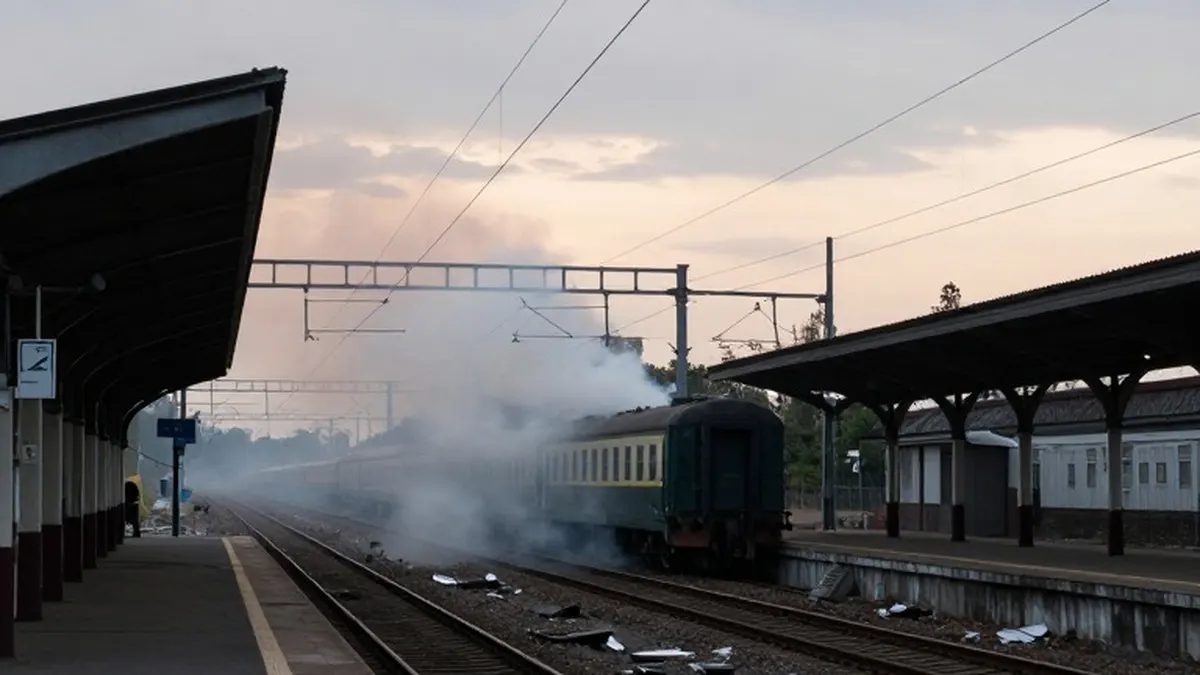
Ukrainian Prime Minister Serhii Koretskyi provided an overview of the damage on Telegram, highlighting specific hits to the transport sector. He noted that in Dnipro, enemy forces struck the grounds of a railway station. This impact damaged passenger carriages and resulted in one person being injured. The Prime Minister added that Russian forces also targeted a railway station in Zhytomyr Oblast and a locomotive depot in Kharkiv that morning.
Energy infrastructure faced simultaneous pressure, with power substations and transmission lines coming under attack in Kharkiv Oblast. The disruption led to power outages for some consumers in Dnipropetrovsk, Donetsk, Zhytomyr, Odesa, Poltava, Sumy, and Kharkiv oblasts by the morning of November 23. These outages were attributed to both the direct attacks on the grid and ongoing hostilities.
Civilian areas also sustained significant damage during the overnight and morning strikes. In Kharkiv, a Russian drone hit a hotel, while eleven people were injured in morning attacks on the city of Lozova. In Zaporizhzhia, Russian forces killed three people in the morning, and a local hospital sustained damage.
The city of Kramatorsk experienced a tragic incident where a drone attacked an evacuation vehicle. The strike killed two people and injured four others. Meanwhile, in Nikopol, an artillery attack resulted in the death of one person and caused damage to a local college.
Damage to civilian infrastructure was also reported in Kyiv, Sumy, Odesa, Vinnytsia, and Poltava oblasts. In Kyiv, debris from drones fell on the grounds of several educational institutions. Search and rescue operations continued at the site of a previous strike on a five-storey apartment building in the Vyshhorod district of Kyiv Oblast. Koretskyi announced that the death toll for that specific incident had risen to eleven, and he offered his condolences to the families of the victims.
According to official counts, six people had been killed and 32 others injured since the evening of November 22, including one child. These figures reflect the cumulative toll from the various strikes across the affected regions prior to the update regarding the Vyshhorod building.
The scale of the aerial assault was substantial, with Russian forces deploying 153 attack drones during the night of November 22 and 23. This fleet included 60 jet-powered Shahed drones and Gerbera drones, along with Parodiya decoy UAVs designed to mislead air defenses.
The attacks underscore the continued vulnerability of Ukraine's logistical and energy backbone. With search and rescue teams still active at multiple sites, the full extent of the damage to infrastructure and the number of displaced residents may yet to be fully assessed.
As the situation evolves, officials are working to restore power to affected areas and repair railway lines to maintain critical supply routes. The coordination between regional authorities and central government remains focused on minimizing the impact of these strikes on the civilian population.