Osasco's Economic Shift Moves Vote From Lula to Flávio Bolsonaro
The closure of factories and rise of service jobs in a key São Paulo suburb have altered political allegiances ahead of Sunday's runoff.
By Marina Weber ·
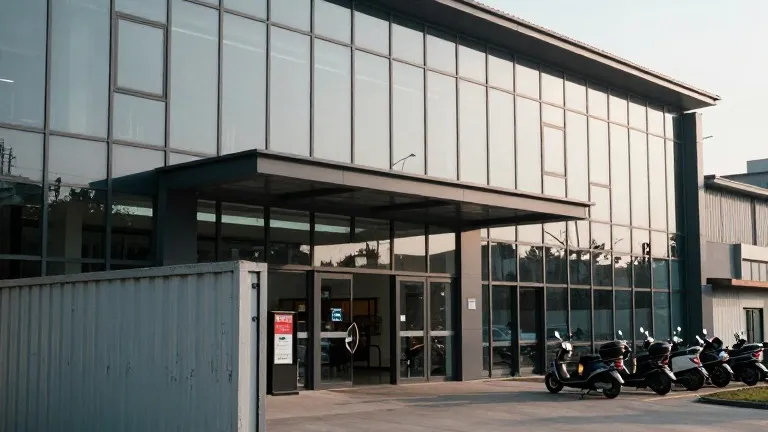
Brazilians will cast their ballots for president on Sunday, and the race is being defined by a fundamental change in the economy. In Osasco, a suburb of São Paulo known as the city's Silicon Valley, industrial plants have been demolished to make way for shopping malls and logistics hubs for delivery apps. This physical transformation has mirrored a political one. The municipality supported President Luiz Inácio Lula da Silva in 2022 but shifted its support to right-wing challenger Flávio Bolsonaro in the first round held this month. Bolsonaro won the initial vote nationwide, a feat that has guaranteed the presidency for the first-round winner in every election since 1989.
The loss of traditional manufacturing jobs has unsettled local labor leaders. Gilberto Almazan, who heads a metalworkers' union in Osasco, described the deindustrialization as severe. He noted that factories producing metal, chemicals, and textiles have vanished, replaced by five new malls. Almazan characterized the traditional union movement that propelled Lula to power as being stuck in the Middle Ages. He argued that the modern workforce, composed of drivers, couriers, and small traders, prioritizes flexibility over collective bargaining and welfare benefits. This shift, which he termed Uber-isation, represents a break from the industrial base Lula traditionally represented.
Historian Richard Lapper, who has written biographies of both candidates, observed that Brazil industrialized later than other nations but deindustrialized earlier. This timing, Lapper suggested, intensified the economic pain felt by workers. Although unemployment has hit a record low and Brazil was removed from the United Nations Hunger Map under Lula, Lapper described a crisis of expectations. He stated that citizens are better off statistically but feel poorer due to inflation, debt, and interest rates. Lapper called Lula a victim of his own success. Local voters echoed this sentiment. Robson, a 53-year-old civil servant who previously supported Lula, blamed the government for mismanagement and high taxes. Tairine, a hot dog seller who abstained in previous elections, now plans to vote for Bolsonaro, saying nothing had changed since Lula returned to office. Lawyer Gisele Bonfim, a 2022 Lula voter, said Bolsonaro offers the hope of change.
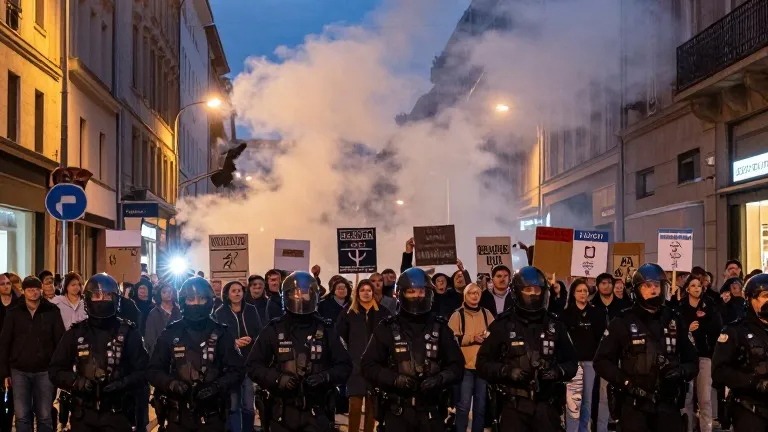
Flávio Bolsonaro has campaigned on a platform of reducing government spending, cutting ministries, and lowering certain taxes while retaining key welfare programs. He has denied corruption allegations against him. The first round saw 33 million voters abstain, the highest number since 1998. Lula's campaign is attempting to reverse momentum through large street rallies. One event in São Paulo drew approximately one million people, according to aerial footage shared online. Lula, who is 80, has also used social media to counter narratives about his age, referring to himself as the king of selfies.
In poorer areas, Lula's record continues to resonate. In the Maré favela in Rio, abstention rates were high, but Lula still won the local vote. Vitoria, an 18-year-old mother earning less than 300 British pounds a month, praised Lula's minimum wage increases and free medicines. She expressed fear over Bolsonaro's plan to classify the Comando Vermelho gang as a terrorist organization, citing police raids in Rio that killed more than 130 people last year. Resident Andreza Dionísio attributed low turnout to last-minute changes to polling locations and a general sense of hopelessness.
Religious institutions are playing a growing role in politics. Evangelical churches, attended by about a quarter of Brazilians, are providing childcare, employment advice, and food to fill social gaps. Pastor Silas Malafaia, who is under investigation for allegedly obstructing the trial of Jair Bolsonaro, said Flávio Bolsonaro shares the church's values regarding family and abortion. Malafaia described the investigation as politically motivated. Almazan expressed fear that there will never be another Lula, leaving the president's fate dependent on whether voters believe he can present a new economic narrative.
Source: BBC News