Myanmar Genocide: UN Court Orders Repairs and Returns
The International Court of Justice ruled that Myanmar committed genocide in 2017, setting the stage for potential sanctions despite limited enforcement powers.
By Marina Weber ·
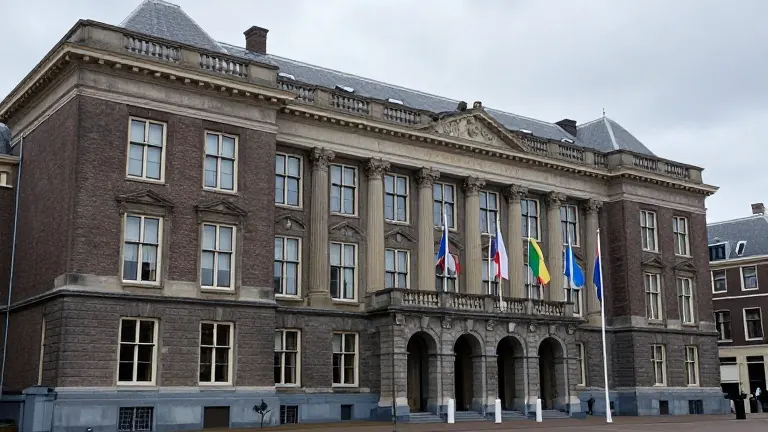
The International Court of Justice ruled on Thursday that Myanmar committed genocide against the Rohingya minority during a 2017 military operation. The court ordered the military-supported government to allow refugees to return home safely, pay reparations, and prosecute those suspected of committing the crimes. Evidence presented to the judges showed that Myanmar forces killed approximately 100,000 Rohingya during the operation.
Myanmar’s government has long denied the accusation, stating it acted against insurgents rather than a specific ethnic group. President Min Aung Hlaing, a former military leader who commanded the 2017 operation, oversees the current government. Khine Khine Soe, the president’s spokeswoman, noted that the decision was not unanimous. She told reporters in Naypyitaw that nine judges voted in favor while six dissented, calling the outcome unfair because not all 15 judges agreed.
The ruling is legally binding, but the court lacks the power to enforce it directly. If Myanmar does not comply, the court can only report the noncompliance to the U.N. Security Council. The Security Council has the authority to impose sanctions. The United Kingdom requested closed consultations on the ruling for next Wednesday, followed by a private meeting on December 7. The U.K. also expelled Myanmar’s defense attache following the decision.
Daniel Forti, head of U.N. affairs at the International Crisis Group, expects immediate action from the Security Council to be blocked. He said China and Russia, both permanent members with veto power, are unlikely to support a resolution enforcing the court’s recommendations. Forti noted that China has discouraged action on Myanmar since 2021 and views the region as its own sphere of influence. Gambia, which initiated the proceedings, may seek a resolution in the General Assembly instead, though such actions are not legally binding.
Rights groups are pressing for stronger measures. Justice for All, an American organization, urged the Trump administration to support a General Assembly resolution and to establish international monitoring. The group argued that sanctions should target Myanmar’s oil and gas sector and the networks supplying weapons to its military. Amnesty International’s Secretary General Agnes Callamard called for a global arms embargo and a referral of the situation to the International Criminal Court. However, the ICC is currently under U.S. sanctions, which could lead to a U.S. veto on any Security Council action.
In The Hague, Yasmin Ullah, a Rohingya rights activist, said the judgment only matters if governments act on it. She called on U.N. member states to take steps to implement the ruling, starting with sanctions against the president. Human Rights Watch urged governments to promote justice and ensure the safe, voluntary return of refugees. Some 1.2 million Rohingya currently live in overcrowded camps in Bangladesh, where they have been denied citizenship since 1982.
The court’s Office of the Prosecutor stated that the ICJ judgment will not affect ongoing cases at the ICC, which deals with individual criminal responsibility. Prosecutors requested an arrest warrant for Min Aung Hlaing in late 2024 for crimes against humanity, but no public decision has been announced yet.