Manpower West Staffing Advises Candidates to Polish Parking Lot Behavior
Pamela Blair argues that final hiring decisions often hinge on small, observable details rather than rehearsed answers.
By Amir Navarro ·
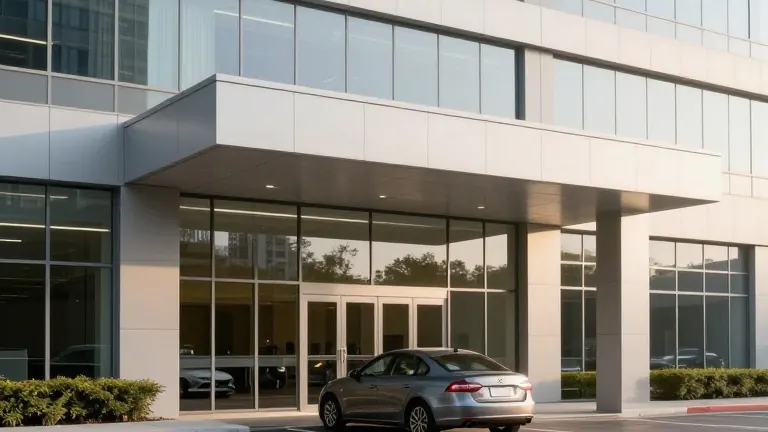
Job candidates frequently spend hours preparing verbal responses, but hiring managers often decide on candidates based on non-verbal cues observed from the moment a person arrives on site, according to Pamela Blair, co-founder of Manpower West Staffing. In a guide published by The San Diego Union-Tribune on November 23, 2026, Blair explains that interviewers assess whether a candidate fits the daily workflow and corporate culture of the team. The evaluation process extends to how a candidate interacts with every person they meet during the visit.
Blair notes that the interview effectively begins in the parking lot. She advises candidates to park in a designated space and avoid fumbling with clothing or accessories in front of office windows. She recommends minimizing strong scents, such as bacon or heavy cologne, and limiting the volume of noisy jewelry before entering the building. These small details contribute to the first impression formed by human resources staff and other employees.
Dressing code should be slightly more formal than the standard attire of current employees. Blair suggests that a full suit might be excessive for a casual tech firm, while chinos and a button-down shirt may be appropriate. She emphasizes the importance of silencing all electronic devices, including smartwatches, to avoid distracting buzzes or rings during the conversation.
Behavior toward support staff is a critical component of the evaluation. Blair states that decision-makers routinely ask receptionists for their initial impressions of every finalist. Candidates should stand, make eye contact, and offer a firm handshake when greeting interviewers. Maintaining open body language, such as sitting with shoulders back and keeping hands visible, signals confidence and engagement.
Communication style during the interview requires active listening. Candidates should wait for the interviewer to finish asking a question before responding, even if the answer seems obvious. Blair warns that interrupting or wandering off topic can reduce a candidate's credibility. When discussing previous employment, candidates should remain diplomatic and avoid criticizing former bosses, as this can create uncertainty about how they might speak about the new company in the future.
Post-interview follow-up is the final step in the process. Candidates should send prompt thank-you notes to each interviewer, verifying names and spellings with the receptionist if necessary. A handwritten note that references specific topics discussed is considered more effective than a standard email. Blair concludes that the entire visit, from parking to follow-up, serves as a continuous assessment of the candidate's professionalism and interest in the role.
More Business · Scam Watch · Report a business · Got a Story?