Malaysia Announces Large Scale Return of Rohingya Refugees to Myanmar
Prime Minister Anwar Ibrahim stated that over 6,500 refugees will be repatriated in December following a recent International Court of Justice ruling.
By Marina Weber ·
Malaysia is preparing to repatriate more than 6,500 Rohingya refugees to Myanmar in a new wave of returns, according to Prime Minister Anwar Ibrahim. The announcement was made on Tuesday, marking a significant step in the country's ongoing efforts to manage its growing refugee population.
This decision comes just five days after the International Court of Justice in The Hague issued a landmark ruling. The court determined that Myanmar’s security forces had committed genocide against the Rohingya minority. The ICJ further mandated that Myanmar authorities must allow and facilitate the safe, voluntary, and dignified return of displaced refugees, whether they are located within the country or abroad.
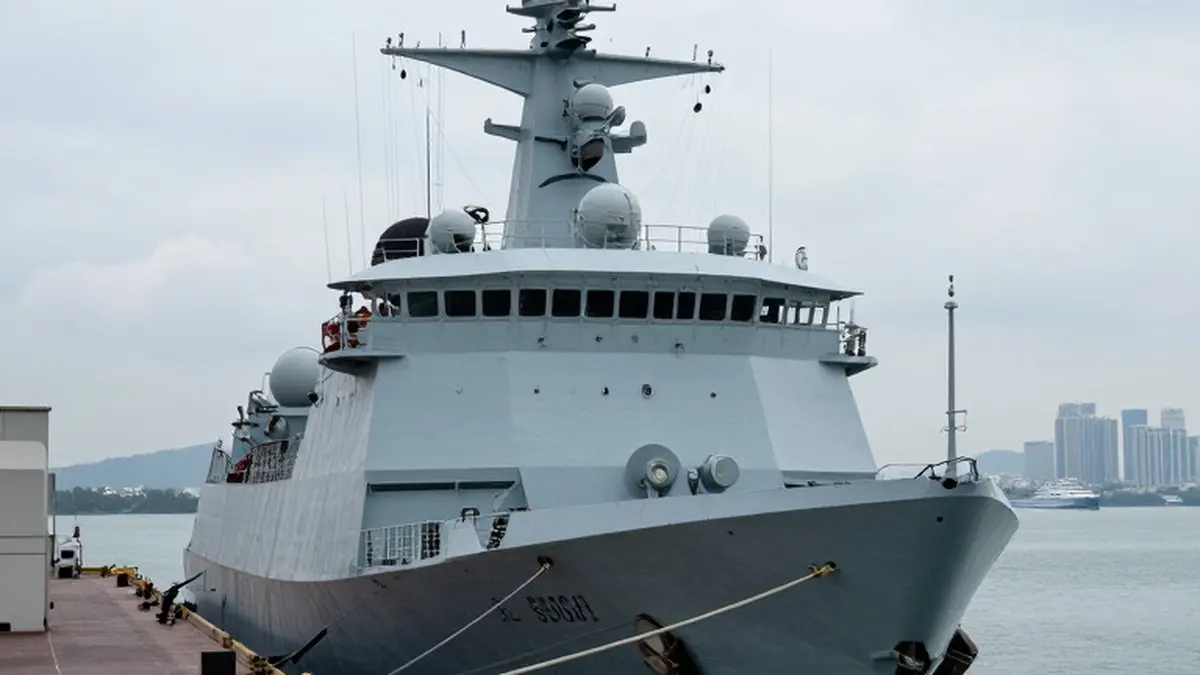
Addressing the Malaysian parliament, Prime Minister Anwar detailed the logistics of the upcoming repatriations. He confirmed that 1,500 Myanmar nationals will be sent back on three navy vessels between December 6 and 7. Additionally, 5,303 individuals will be transported by aircraft during the same month, with the Myanmar government covering the expenses.
Malaysia has traditionally served as a refuge for exiles from Myanmar. However, the government has expressed increasing frustration regarding the financial burden and security risks associated with hosting large numbers of refugees. As of August, the UNHCR recorded 225,740 refugees and asylum seekers in the country, with approximately 90 percent originating from Myanmar.
The Prime Minister acknowledged that many of those seeking asylum are victims of atrocities committed by the Myanmar regime. Nevertheless, he argued that Malaysia can no longer afford to host such a large population and noted that previous hopes for resettlement in third countries had not materialized. Anwar described his diplomatic engagements with Myanmar’s former leader as efforts to safeguard national interests and align with the ICJ’s ruling.
Last month, Malaysia hosted Min Aung Hlaing, who transitioned from junta chief to President. This visit drew criticism from rights groups who feared it legitimized the Myanmar government and posed risks to returning refugees. Anwar defended the move, stating it was consistent with the international court’s directive to guarantee safe and dignified returns for those fleeing persecution.
The current plan follows a previous repatriation in late September, when around 1,500 migrants were sent back to the war-torn nation. That earlier scheme was described as opaque and has raised concerns among human rights organizations. Recently, Malaysia sought clarification from Myanmar after reports emerged that hundreds of recently returned migrants were being held in military detention.
While Anwar did not explicitly mention the request for clarification in his latest address, he reiterated the government's stance on concerns regarding the Rohingya and other ethnic groups. He emphasized that these concerns were underscored by the recent ICJ ruling.
The Rohingya, a mainly Muslim group often described as the world’s most persecuted minority, constitute two-thirds of the 190,000 Myanmar refugees and asylum seekers currently in Malaysia, according to United Nations data.