Trump Signals No Immediate Escalation in Iran Conflict as Diplomatic Talks Continue
President Trump says there is no reason to escalate the war with Iran while meeting with Qatari mediators, as Secretary of State Marco Rubio notes that a breakthrough in talks is not yet imminent.
By Amir Navarro ·
President Donald Trump stated on Sunday that there is no reason to escalate the ongoing war with Iran, while simultaneously defending the initial decision to launch the conflict as historically sound. In an interview aired on the program 60 Minutes, the president indicated that he is not currently looking to intensify military operations against the Islamic Republic.
Despite his remarks on escalation, Trump acknowledged that the decision to start the war in late February may not have been beneficial in the short term. He noted that while it might not be a good decision for today and tomorrow, he believes it will be viewed as a very good choice historically. The president cited Iran's nuclear program as the primary justification for initiating the conflict, stating that he did what was right for the country.
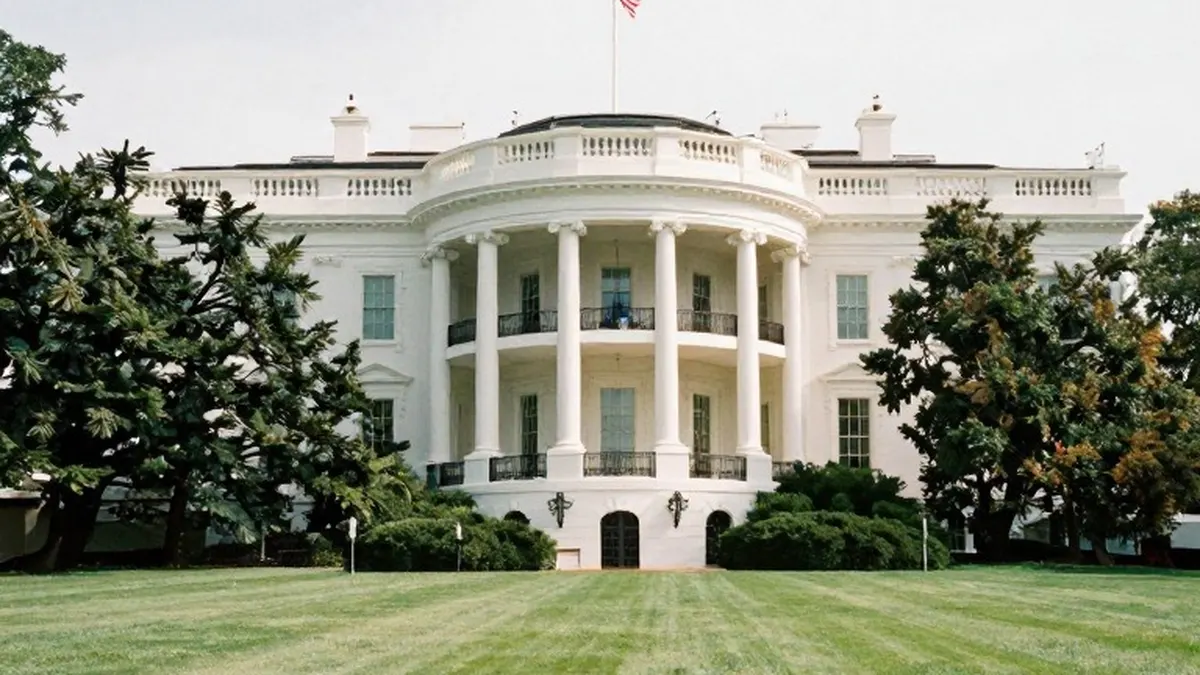
Diplomatic efforts to resolve the conflict remain active, with President Trump scheduled to meet with Qatari Prime Minister Sheikh Mohammed bin Abdulrahman Al Thani at the White House on Monday. Qatar has served as a key mediator in indirect negotiations between the United States and Iran. Sources indicate that Al Thani is seeking to persuade the president to allow additional time for diplomatic solutions to take shape.
Secretary of State Marco Rubio offered a more cautious perspective on the progress of these negotiations late Sunday. Before departing for a G7 meeting in Paris, Rubio told reporters that the two sides are not at the verge of a breakthrough. He attributed this to the fact that Iran's current demands are unacceptable to the United States.
Rubio emphasized that the president continues to prefer a diplomatic resolution to the conflict. He also noted that he expects G7 allies to have numerous questions regarding the status of the war and the next steps for American leadership. His comments served to temper expectations of an imminent deal, highlighting the continued friction between the two nations.
On the military front, President Trump declared that the new U.S. military task force designed to extend the naval blockade is in full force and effect. In a post on Truth Social, he referred to the initiative as Task Force Iron Gate, claiming that very little enters or exits Iran due to the combined efforts of the naval blockade and this new force.
U.S. Central Command announced Saturday that Task Force Iron Gate is aimed at extending the success of the naval blockade to overland trade routes. The group is tasked with preventing military technology and illegal revenue streams from crossing Iranian borders, including via the Caspian Sea. However, it remained unclear whether any significant military force would be brought to bear in this specific capacity.
The combination of diplomatic meetings and military enforcement reflects a dual-track approach to the conflict. While the administration maintains a strong military presence to pressure Iran, it continues to pursue a negotiated end to the war. The coming days will likely focus on the outcome of the White House meeting with Qatari officials and the results of the G7 discussions in Paris.