Judges cast doubt on Netanyahu trial cases
In a dramatic move, Israeli judges have signaled that two of the three criminal cases against Prime Minister Benjamin Netanyahu may be weak, prompting calls for the prosecution to reconsider the charges.
By Amir Navarro ·
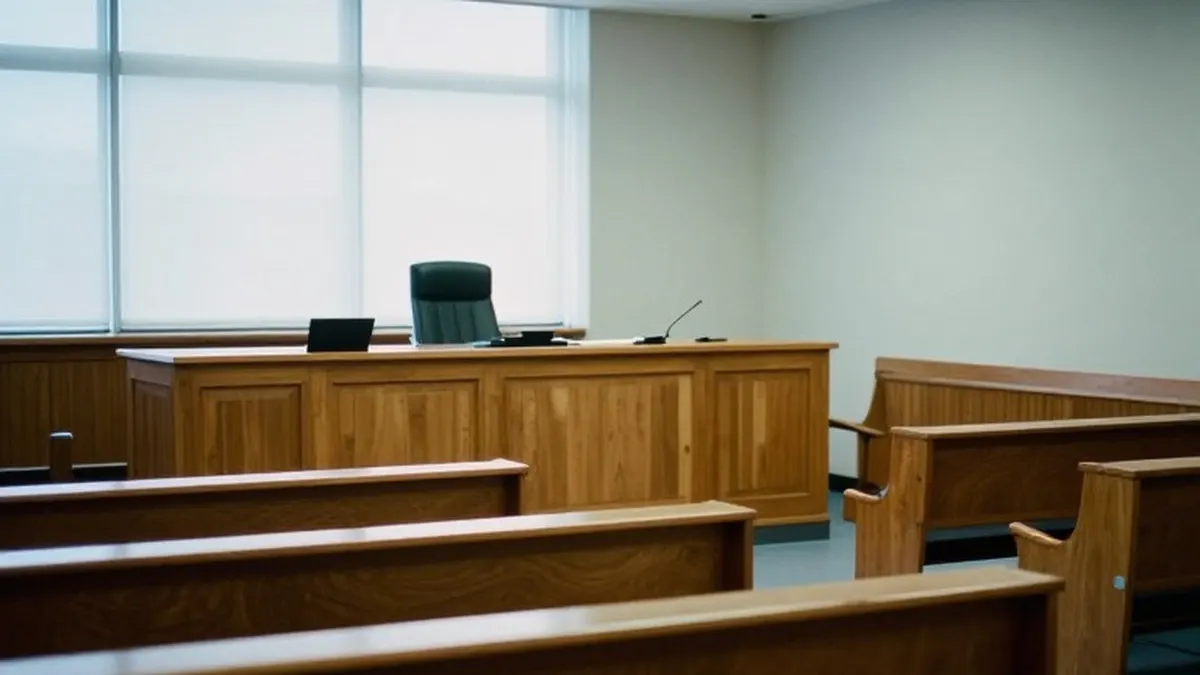
In a significant development at the Jerusalem District Court, three judges have urged the Attorney General to reconsider the criminal cases against Prime Minister Benjamin Netanyahu. The judicial panel, which has reviewed years of evidence, indicated that two of the three cases face fundamental legal and evidentiary challenges. This intervention marks a pivotal moment in a trial that has dominated Israeli politics for nearly a decade.
The judges did not issue a verdict or acquit the Prime Minister. Instead, they stated that the public interest requires the prosecution to reevaluate the proceedings. They noted that the legal foundations for two of the cases appear shaky, suggesting that the likelihood of a successful conviction is lower than previously assumed.
Regarding Case 4000, which includes the most serious bribery charges related to the Bezeq and Walla media companies, the judges proposed that the prosecution consider dropping the entire charge against Netanyahu. They pointed to difficulties in the testimony of Shlomo Filber, the former Communications Ministry director-general. The judges identified inconsistencies in Filber's account and a timeline that did not align logically, leading them to conclude that the prospects for conviction are weak.
In Case 2000, which involves alleged discussions with Yedioth Ahronoth publisher Arnon Mozes about media coverage in exchange for regulatory favors, the judges raised a different concern. They questioned whether the events described in the indictment actually constituted a criminal offense, even if they occurred as alleged. This fundamental query challenges the core of the prosecution's argument in that specific case.
Attorney General Gali Baharav-Miara told the court that the prosecution would carefully consider the judges' comments. The legal team has not yet withdrawn any charges, but the pressure from the bench is intense. The judges emphasized that their comments reflect their current impressions of the evidence presented during the lengthy trial.
This judicial intervention has profound implications for Israel's political landscape. The Netanyahu cases have been a central fault line in Israeli society for years, contributing to political paralysis and multiple elections. The trial transformed Balfour Street into a symbol of protest and deepened public distrust in state institutions. For supporters of the Prime Minister, the judges' comments validate long-held beliefs that the legal process was used to undermine a democratically elected leader.
Critics, however, maintain that the difficulty in proving guilt beyond a reasonable doubt does not exonerate the actions described in the cases. They argue that the trial has exposed serious questions about how investigations were authorized, how witnesses were recruited, and how evidence was gathered. These procedural concerns have intensified demands for an independent inquiry to examine the conduct of the police, prosecution, and courts.
The trial has also influenced other major political movements, including the push for judicial reform. While grievances against the legal establishment predated the indictment, the cases provided much of the urgency for those changes. Now, as the country emerges from war and political turmoil, the question remains whether the legal system was used as a political tool or if the process simply failed to meet its rigorous standards.
Political figures have already reacted to the news. Yisrael Beytenu leader Avigdor Liberman suggested that the Prime Minister might use intelligence agencies against his opponents, a claim that has added to the speculation surrounding the trial's outcome. Regardless of the final verdict, the intervention by the judges has raised the stakes for a comprehensive accounting of how these high-profile cases were handled.