Eisenkot and Netanyahu Teams Resume Unity Government Talks
Negotiations continue between Eisenkot’s Yashar and Netanyahu’s Likud for a unity government, while internal disagreements over minority rule and haredi partnerships persist among the opposition bloc.
By Vanessa Lopez ·
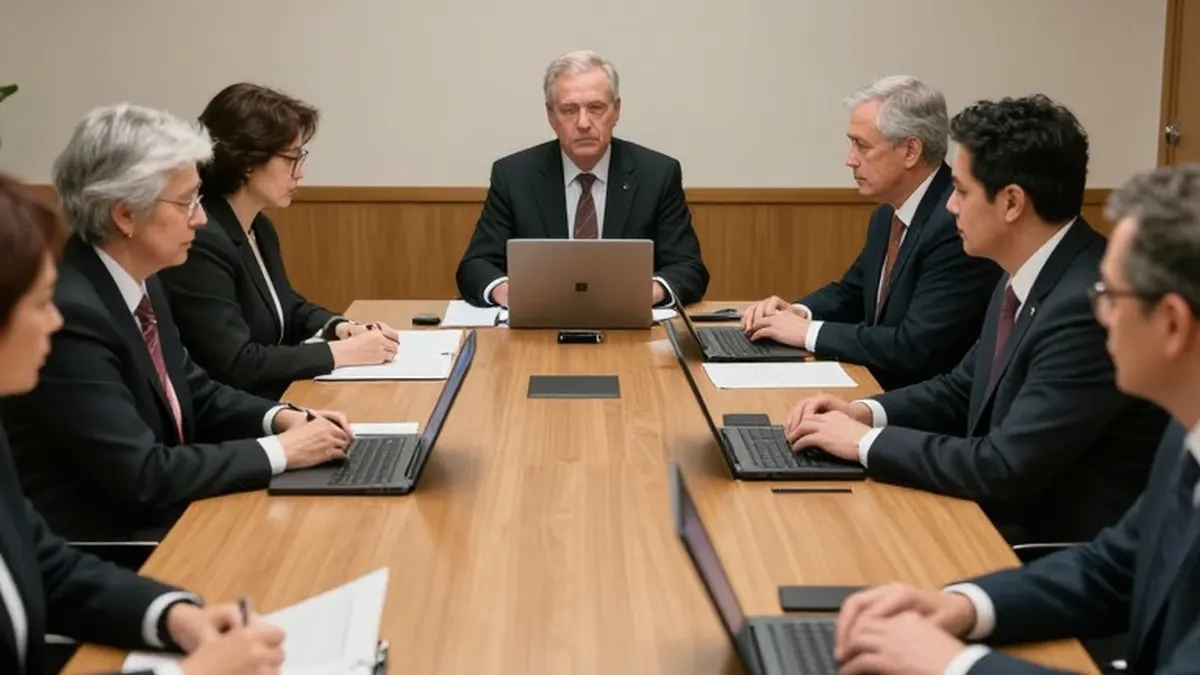
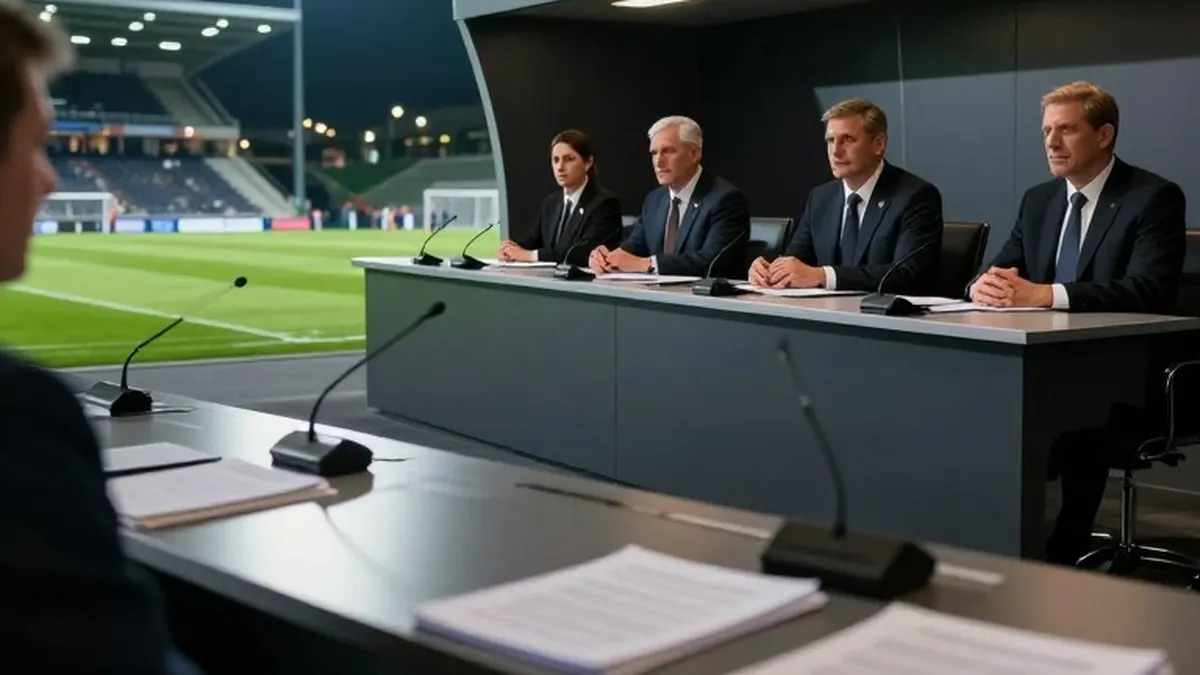
Negotiation teams representing the Yashar party, led by former General Gadi Eisenkot, and Prime Minister Benjamin Netanyahu’s Likud party met on Wednesday to continue discussions regarding a potential unity government. This session marked the fourth round of talks between the two blocs in the past two weeks, as both sides attempt to resolve the political deadlock that followed the recent elections.
In the days leading up to Wednesday, representatives from both camps engaged in intensive dialogue. A four-hour meeting on Monday covered various topics, though officials noted that the central issue of a rotation agreement was not addressed at that time. The following day, a two-hour session focused specifically on judicial matters. These ongoing efforts come after Netanyahu’s bloc lost its parliamentary majority to the Eisenkot-led bloc in the October 27 election, prompting the Prime Minister to repeatedly call for a unified administration.
Despite the high-level talks, significant disagreements persist within the coalition of parties led by Eisenkot. Leaders from Bennett’s B'Yachad, Avigdor Liberman’s Yisrael Beytenu, and Yair Golan’s Democrats all stated last week that Netanyahu must be removed from power. However, their visions for the future government differ sharply. Liberman and Golan have drawn a red line against joining a unity government if Netanyahu remains in a leading role.
Golan’s Democrats party announced on Wednesday that it had paused coalition talks with Yashar due to the continued negotiations with Likud. The party emphasized its commitment to ending Netanyahu’s rule, stating that the unity option must be removed from consideration. Golan warned on Monday that keeping the Prime Minister in power endangers national security and the lives of civilians. He has advocated for a minority government supported by Arab parties, arguing that such cooperation must be seriously examined rather than ruled out based on ulterior motives.
In contrast, Liberman opposes both minority governments and alliances with Arab parties. He argues that such arrangements would be unstable and likely lead to another election. Instead, Liberman has called for a government with a Jewish majority, partnering with the ultra-Orthodox haredi parties. On Wednesday, he stated that negotiations with Yashar had effectively concluded and that talks with United Torah Judaism were progressing well. This marked the first time he publicly used the term Jewish majority, a stance that has drawn criticism given his pre-election stance against haredi partnerships without draft legislation.
Naftali Bennett has openly supported the idea of a unity government, provided it is led by Eisenkot. He remains committed to not joining Netanyahu’s bloc under any circumstances and supports a rotation agreement where Eisenkot serves first. Bennett warned that if Netanyahu is found to be wasting time rather than pursuing a unity government under Eisenkot’s leadership, he will bear the consequences. Bennett recently met with Netanyahu without Eisenkot’s prior knowledge, sparking speculation about his intentions.
Eisenkot stated that his party is entering the negotiations in good faith, aiming for genuine unity based on shared values rather than political convenience. Netanyahu, for his part, expressed that most Israelis believe a unity government is the best path forward. He emphasized the need for flexibility, citing the haredi draft issue as an example, and asserted that his side possesses the genuine will to reach an agreement.
The Yashar party described the current talks as a marathon of efforts to exhaust every possible avenue for forming a new government. Eisenkot has previously set four key principles for his coalition and drew a red line against serving under Netanyahu. He received the mandate from the president to form a government on November 8, leaving him approximately two weeks to succeed, with the option for a 14-day extension if needed.
The October 27 election results showed that the bloc seeking to replace Netanyahu won 67 seats, including those held by Arab parties, while Netanyahu’s bloc secured 53 seats. No government has been formed yet, as most leaders in the leading bloc have opposed partnering with Arab parties, though their support has allowed for key legislative advances in the Knesset while Netanyahu heads a caretaker government.