Iranian Courts Award US $290 Billion in Damages
Iranian judicial authorities have secured rulings against the United States for past actions, while also suing Gulf states for facilitating strikes on Iranian soil.
By Marina Weber ·
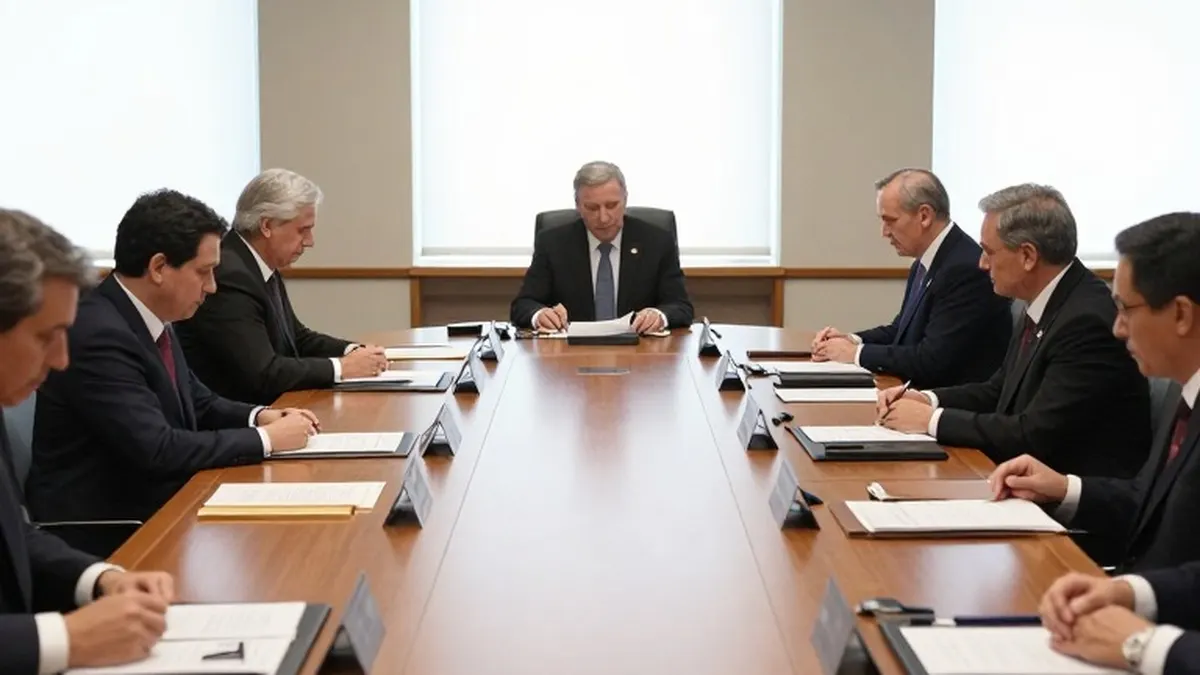
Iranian courts have issued a significant financial verdict against the United States, ordering Washington to pay 290 billion dollars in damages. A senior judiciary official announced the decision on Monday, marking a major development in the ongoing legal and diplomatic disputes between the two nations.
Hassan Abdolianpour, who heads the judiciary’s centre for lawyers, confirmed the figures during a broadcast on state television. He stated that domestic court rulings have been secured that specifically award the 290 billion dollar sum to compensate for various actions taken by the Americans over several decades.
The scope of the damages covers a long history of US conduct against the Islamic Republic. According to state media reports, the rulings encompass actions that extend back many years, reflecting a cumulative claim for losses and grievances accumulated over time.
In addition to the claims against Washington, Iranian authorities have initiated legal proceedings against several Gulf Arab states. These lawsuits allege that the regional neighbors allowed their territory to be used by the United States to launch attacks against Iran.
The legal actions come against a backdrop of heightened regional tension. The current conflict in the Middle East began on February 28 of this year when the United States and Israel launched a coordinated series of strikes. These operations resulted in the death of Iran’s supreme leader, Ayatollah Ali Khamenei, a pivotal moment that escalated hostilities across the region.
Following the initial strikes, Iran responded with a broad counter-offensive involving missiles and drones. Tehran stated that its targets were US and Israeli bases and assets located in various countries across the region, aiming to project strength and deter further aggression.
Diplomatic efforts have also played a role in the current landscape. In June, the United States and Iran signed a memorandum of understanding in Islamabad. This agreement was designed to pave the way for a broader peace deal between the two sides.
A key clause in the Islamabad memorandum included a commitment from Washington and its regional partners to develop a plan for Iran’s reconstruction and economic development. This plan was to involve a minimum investment of 300 billion dollars, highlighting the substantial economic stakes involved in normalizing relations.
The financial demands by the Iranian judiciary are also linked to the long-standing economic pressures the country has faced. For decades, Iran has been subject to crippling sanctions imposed by the United States, primarily targeting its nuclear program. These sanctions have been a central point of contention in bilateral relations.
The recent court orders and new lawsuits signal a shift in how Iran is leveraging legal frameworks to address its grievances. With the peace process at a critical juncture, these financial claims may influence future negotiations and the broader dynamics of the Middle East conflict.