Talabani urges US dialogue with Iran, saying Tehran is emerging stronger from war
The Iraqi Kurdish leader called for Washington to engage with Tehran while addressing a damaging gas field attack and a deepening political split in Iraqi Kurdistan.
By Marina Weber ·
Iraqi Kurdish leader Bafel Talabani urged the United States on Thursday to pursue dialogue with Iran, arguing that the Islamic Republic was coming out of the US-Israeli war stronger, although changed. Speaking at a Strategic Forum in Sulaymaniyah, he challenged western perceptions of Iran’s leadership and said Washington could establish communication with Tehran.
Talabani, who heads the Patriotic Union of Kurdistan, or PUK, described himself as an ally of both US President Donald Trump and Iran. He rejected the portrayal of Iran’s rulers as “mad mullahs” and pointed to his own ability to speak with Iranian officials. His party dominates southeastern Iraqi Kurdistan, and its administrative territory covers much of the region’s lengthy frontier with Iran.
The PUK’s longstanding relationship with Tehran faced pressure earlier this year when Trump and his advisers sought support from Talabani and other Kurdish leaders for a Kurdish insurgency inside Iran. Talabani ultimately stayed out. A senior Kurdish official in Sulaymaniyah told Middle East Eye that the PUK had warned Iranian opposition groups against attacks, believing they would fail. During a September meeting with Iranian Foreign Minister Abbas Araghchi, Talabani pledged that Iraqi Kurdistan would not become a base for threatening or harming Iran.
Describing a recent visit to Iran, Talabani offered an assessment that differed sharply from statements by Trump administration officials portraying the country as close to economic collapse. He said fewer than half the women and girls he saw wore scarves and described restaurants crowded with young people dancing. “I thought I was in London,” he said, characterising Iran’s emergence from the war as “stronger, but different”.
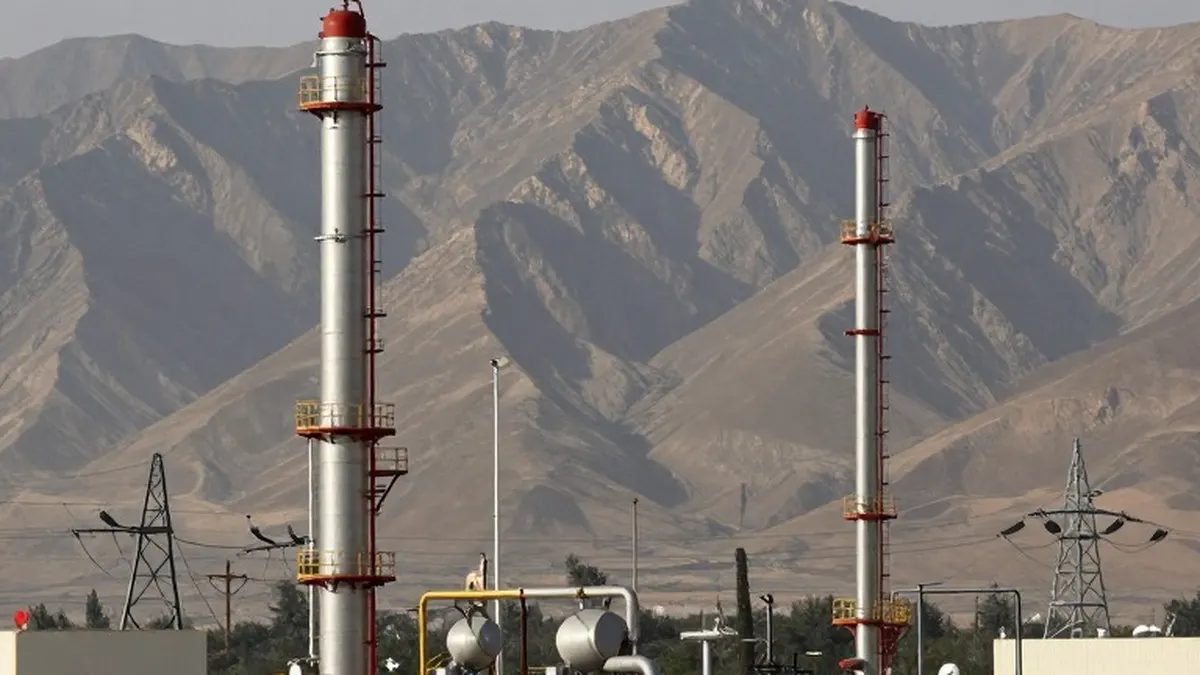
Talabani also addressed a drone attack earlier this week on the Khor Mor gas field in Sulaymaniyah Governorate. The facility, run by a UAE company and among Iraq’s largest, was struck in an attack that disrupted normal electricity supplies for almost 70 percent of Kurdistan. Talabani said Iranian officials had directly assured him that Tehran neither ordered nor carried out the strike, and he called for a serious investigation into its timing and methods. Iran had attacked Iranian opposition groups in Iraqi Kurdistan following the US-Israeli attack in February 2026.
The Kurdish region has no air defence systems. The departure of the last American troops from Erbil in September completed the US withdrawal from Iraq, and some US lawmakers have subsequently sought to advance air defence sales to Iraqi Kurdistan. Talabani said the region’s position remained uncertain because Washington’s “one Iraq” policy meant most such arrangements required Baghdad’s approval. He urged that the region either receive systems or be allowed to buy them.
His remarks came amid an escalating dispute between the PUK and its traditional rival, the Kurdistan Democratic Party, led by regional President Nechirvan Barzani. Talabani withdrew the PUK from the regional parliament this week. He described the split as the most serious political crisis in the Kurdistan region’s history and said it effectively operated under two administrations.
US envoy to Iraq and Syria Tom Barrack also addressed the dispute, which has fuelled concerns about fragmentation as the region faces uncertainty over its security arrangements. Calling the Barzani and Talabani families longstanding American friends, Barrack said the disagreement was an Iraqi matter. “My advice is get over it,” he said.