Tracing the Fatemiyoun: Afghan Militia Resurfaces in Iran
New evidence indicates that Tehran-backed Afghan fighters have been deployed to southeastern Iran, where they are engaging in local conflicts.
By Amir Navarro ·
The Fatemiyoun division, a Tehran-backed Afghan Shia militia, has reappeared in public view after years of relative obscurity following the fall of Bashar al-Assad in Syria in 2024. By analyzing martyrdom announcements and geolocating social media videos, reporters have traced the group's movement into southeastern Iran. This shift marks a significant change for the militia, which had fought for over a decade in the Syrian civil war before the Iranian Revolutionary Guard Corps withdrew its forces from the region.
During the Syrian conflict, Iran deployed various foreign fighters to support the Assad government. The Fatemiyoun, estimated to have between 8,000 and 50,000 members, was one of the largest such forces. Recruited primarily from Afghan Shia communities in Iran, the group was sanctioned by the United States and designated a terrorist entity by Canada in 2019 for its ties to the IRGC Quds Force. Approximately 2,000 members were killed during the eleven-year campaign in Syria.
Clues to the militia's current location emerged in March 2026 during the US and Israeli military campaign against Iran. IRGC-affiliated media published announcements for personnel killed in airstrikes, and investigators found links to the Fatemiyoun division. Funeral photos revealed portraits of these fighters displayed alongside those of veterans from Syria, confirming their identity even when initial reports omitted their Afghan origins. Some members, such as IRGC Lieutenant Colonel Ali Akbar Saket, had risen to officer ranks within the IRGC.
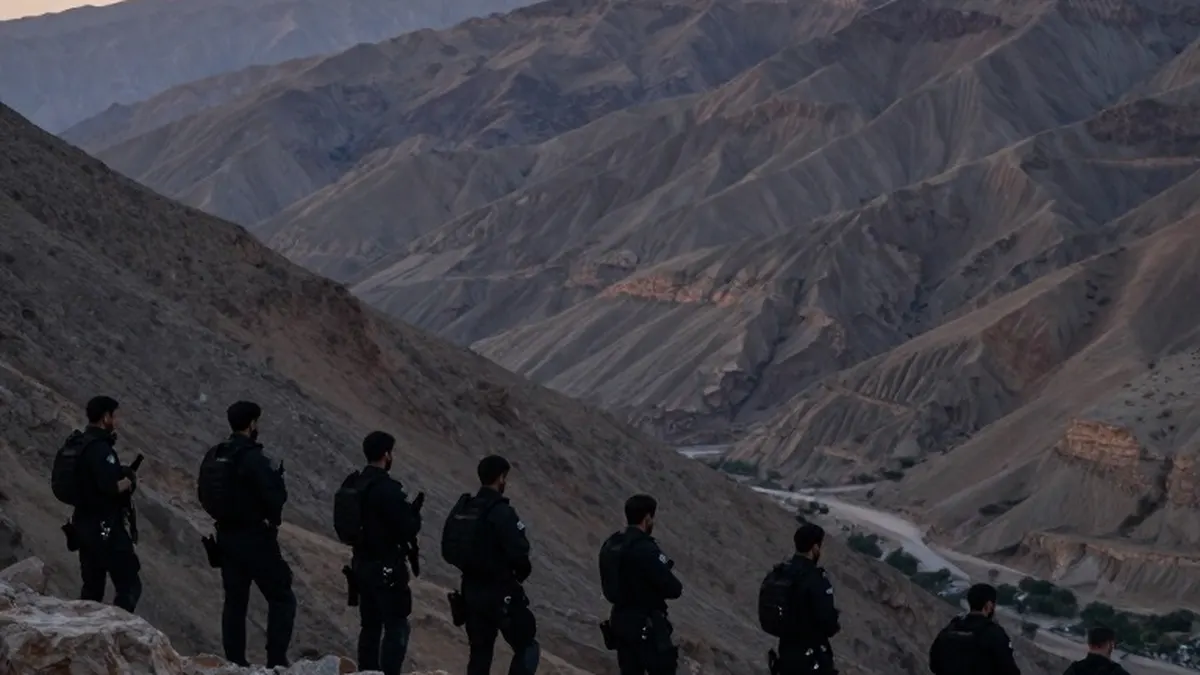
Recent footage from September 2026 provided further evidence of the Fatemiyoun's deployment in Sistan and Baluchistan province. A human rights outlet published a video showing at least 13 armed men patrolling mountainous terrain. This footage was geolocated to Mount Kala Pade, near the provincial capital of Zahedan. Another video from the same month showed weapons training at a newly built school in Gosht, near Saravan. These incidents suggest an increased military presence in the region, which has long faced instability due to cross-border drug trafficking and armed Baluch groups.
Martyrdom announcements have confirmed the deployment and casualties in the province. In October 2026, two fighters were killed in separate incidents. Ahmad Yaghoubi died in an improvised explosive device attack on October 2, while Mohammadreza Rahimi was killed in an armed clash on October 13. Both were buried outside the province, with funeral ceremonies documented by IRGC-affiliated media. The People's Fighters Front, a coalition of Islamist and Baluch nationalist groups, claimed responsibility for both deaths.
Experts suggest Iran retained these fighters because they represented a significant investment and a potential security risk if left idle. Mahdi Nakhl Ahmadi, an Iranian expert based in Italy, noted that the IRGC could not simply abandon thousands of battle-hardened soldiers. These fighters had gained access to sensitive intelligence and senior command positions, making their integration into the IRGC a logical step to prevent them from turning against the state.
The deployment to Sistan and Baluchistan was not the IRGC's first choice. The group initially proposed sending the fighters to Afghanistan to fight the Islamic State, but both the former government and the Taliban rejected the idea due to loyalty concerns. A similar proposal for Pakistan was also declined. Consequently, the IRGC stationed the fighters along Iran's borders, starting with civilian jobs on IRGC projects before transitioning them to military roles at Basij bases and checkpoints.
Local accounts indicate the fighters were initially concentrated in border areas prone to trafficking and clashes, particularly south of Saravan. However, as armed activity has intensified, their presence appears to be expanding inland. The People's Fighters Front has claimed additional casualties since mid-October, though these have not yet been confirmed by official Fatemiyoun channels.