
Melbourne Cup horse owner demands accountability after body found in skip bin
The owner-breeder of So You Are has called for a full investigation after the racehorse was discovered in a waste bin at a Sydney resource recovery centre.
By Amir Navarro ·
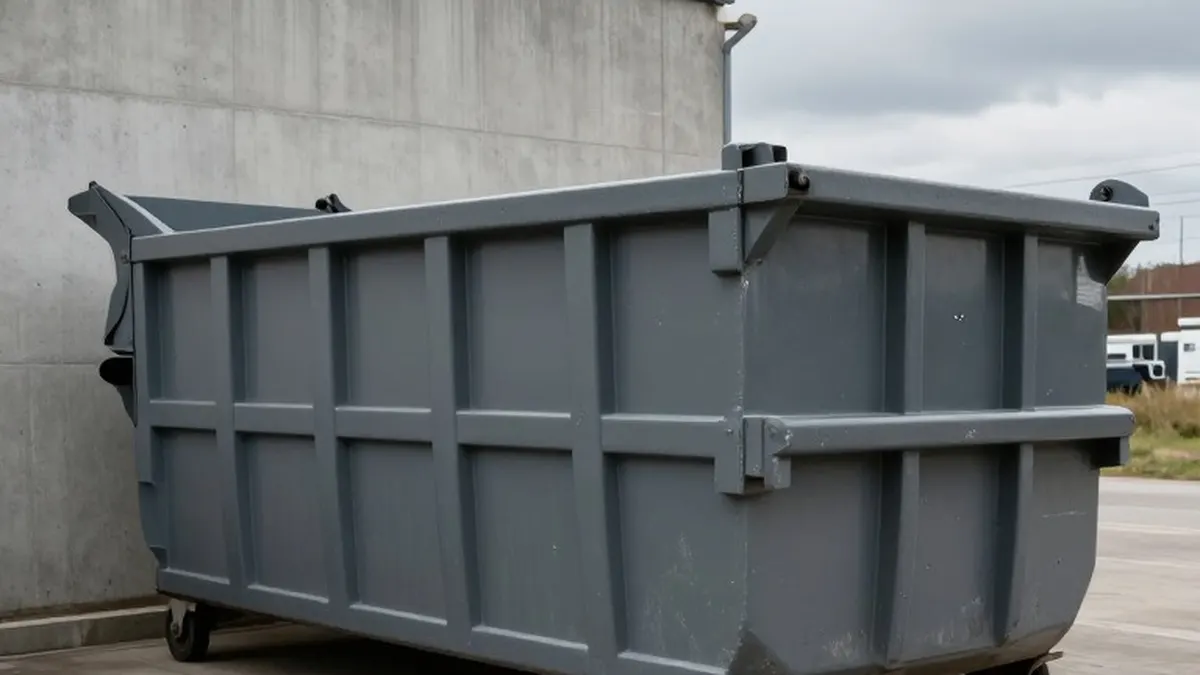
Stuart Ramsey, the owner and breeder of the Melbourne Cup runner So You Are, has formally requested a comprehensive investigation into the circumstances surrounding the horse’s death. The five-year-old gelding was found abandoned in a skip bin at the Cleanaway Lucas Heights resource recovery centre in Sydney. Ramsey described the situation as a disgrace and insisted that those responsible must be held accountable for the manner in which the animal was disposed of.
The incident came to light after a resident in Sydney captured footage of the horse’s body in the waste container. The images quickly circulated online, drawing sharp criticism from both industry insiders and anti-racing activists. So You Are had finished eighth in the Melbourne Cup on November 3 before falling ill at a spelling farm. He was subsequently transported to the REC Equine Specialists clinic in Horsley Park, where he was euthanized after showing signs of colic that could not be resolved through surgery.
Racing NSW stated that its ongoing review determined the horse was being held temporarily while awaiting burial when the footage was recorded. Although the veterinary clinic has issued an apology, Ramsey remains unsatisfied with the explanation. He noted that the clinic had not contacted him directly regarding the arrangements, leaving the family to discover the details through public reports. Ramsey emphasized that the horse had earned A$1.4 million across eight career victories and held deep personal significance for his family.
Ramsey, who operates Turangga Stud in the Hunter Valley, expressed frustration that the owners were not given the option to bury the horse at their own farm. He argued that the decision-makers at the veterinary practice bore full responsibility for the outcome, rather than the contractor hired for the burial. He described the horse as a unifying force for the group of over thirty people who had traveled to Melbourne for the race, making the subsequent distress all the more painful for those involved.
Jonathan Lumsden, the managing partner at REC, acknowledged the error in a statement. He confirmed that the center had spoken with the owners and trainers to offer their apologies. Lumsden noted that while the veterinary practice did not perform the burial itself, it accepted full responsibility for selecting the service provider. He stated that the horse should have been buried promptly and respectfully, a standard he said had not been met in this instance.
Animal welfare groups have also weighed in on the incident, highlighting broader issues within the racing industry. Elio Celotto, campaign director for the Coalition for the Protection of Racehorses, pointed out that burial or cremation are always available options. He criticized the choice to dump the horse at a local tip as a routine practice driven by cost efficiency rather than sentiment. The Coalition argued that the industry often prioritizes profit over the dignity of the animals it produces.
Georgie Purcell, a member of the Victorian Animal Justice Party, suggested that the case should prompt a wider conversation about the duty of care owed to racehorses. She noted that the industry breeds and profits from these animals but often fails to treat them with basic dignity after their deaths. The incident has raised questions about whether current protocols adequately protect the interests of horse owners and the animals themselves.
Racing NSW indicated that appropriate action would be taken if any wrongdoing were confirmed during its investigation. The body explained that under NSW Department of Primary Industries guidelines, licensed landfills are the preferred disposal method for animals euthanized due to the chemicals involved in the process. However, it conceded that the burial should have occurred in a timely and respectful manner. The owner, Bjorn Baker, also expressed his deep distress, stating that the horse deserved to be treated with dignity and respect.
Cleanaway, the operator of the resource recovery centre where the horse was found, has been contacted for comment regarding the incident. As the investigations continue, the focus remains on determining how a high-profile racehorse ended up in a waste bin and what changes may be required to prevent similar occurrences in the future.
The case has reignited debates about the end-of-life care for racehorses in Australia. While the industry maintains that strict guidelines exist, the emotional impact on the So You Are team has highlighted the human element of horse racing. The demand for a full investigation signals a push for greater transparency and accountability in the management of deceased racehorses.