Gulf envoys brace for failure as Iran proposes rapid Hormuz reopening
Indirect talks in Doha enter a third day with Qatar pushing a two-day timeline for sanctions relief and strait access before US midterms.
By Vanessa Lopez ·
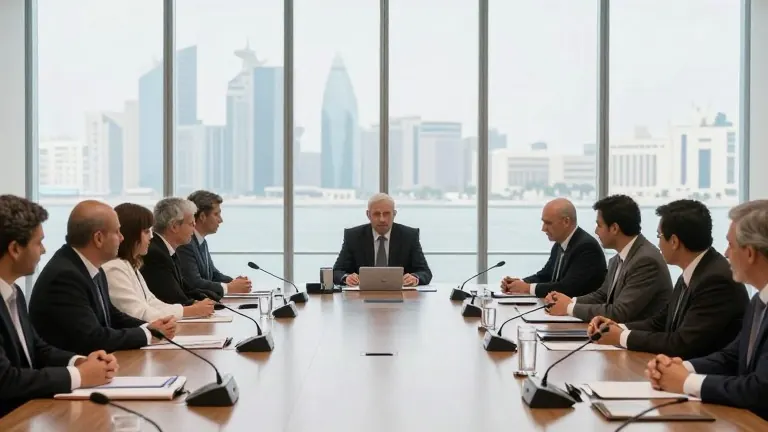
Indirect negotiations between the United States and Iran in Doha reached a third consecutive day on Sunday, as Gulf officials prepared for a potential breakdown in talks aimed at reopening the strait of Hormuz. The diplomatic effort is racing against a deadline set by the US midterm elections scheduled for Tuesday.
Qatar is mediating a proposal that would release more than $6 billion in frozen Iranian assets. This financial move is intended to trigger the reopening of the critical waterway and restart stalled discussions regarding Iran's nuclear program. To overcome persistent distrust between the two sides, Doha has focused on compressing the procedural timeline. Iran has agreed to shorten the period between the lifting of US sanctions and the reopening of the strait from seven days to just two.
Anwar Gargash, the envoy for the United Arab Emirates, stated that the region is prepared for negative outcomes. He noted that another cycle of escalation would not benefit Iran or its neighbors. Gargash emphasized that Iran is a neighbor with whom the Gulf states must maintain essential relations, expressing a desire to avoid a prolonged regional crisis.
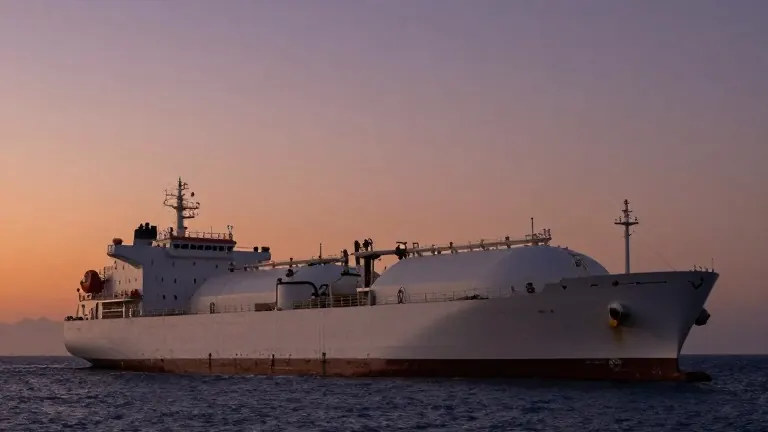
The mediation process continued despite a recent security incident. Unidentified missiles struck a Qatari LNG tanker bound for Pakistan near the strait on Friday. The attack occurred even though Tehran had granted the vessel direct clearance and safe-passage approval only hours before the strike.
Abbas Araghchi, Iran's foreign minister, expressed hope that Washington would select diplomacy over alternative paths. He stated that Iran is prepared for both defense and diplomatic engagement, contingent on US rationality. Araghchi confirmed there are currently no plans for direct talks with Washington, although he is not personally attending the Doha sessions. He is scheduled to travel to Turkmenistan on Monday while other Iranian diplomats continue active involvement in the mediation.
US President Donald Trump claimed on Saturday that the US military has neutralized much of Iran's military capability. He said the US still needs to address one or two remaining targets, a comment made as Tehran warned of reprisals if further attacks occur. Trump described the negotiations to end the war, which began in February with US and Israeli involvement, as proceeding well but noted that the other party is not very reliable. On the same day, Secretary of State Marco Rubio indicated openness to a diplomatic solution, while Iranian security chief Mohsen Rezaei disclosed receiving a letter from US Vice President JD Vance seeking to revive talks.
Rezaei acknowledged a shift in tone from the US but stated he had not yet responded. Araghchi told Al Jazeera on Saturday that Iran offered to open the strait within two days of the US acting to lift the oil ship blockade, stop blocking asset releases, and end sanctions on Iranian oil exports. Ali Nikzad, the deputy speaker of Iran's parliament, reiterated that Tehran would not discuss its nuclear program. He argued that the Iranian nation decided not to negotiate on nuclear issues under any pressure, citing past breaches of promises and illegal bombing of peaceful nuclear facilities. Rezaei claimed the war has international repercussions exceeding those of the Vietnam war, stating that every American family has endured the pressure caused by the conflict.
Source: The Guardian