European gas prices spike as cold weather forecast intensifies supply concerns
Anticipation of a severe winter cold snap and depleted storage levels have driven a sharp increase in gas prices across Europe, raising fears of high household bills and energy shortages.
By Marina Weber ·
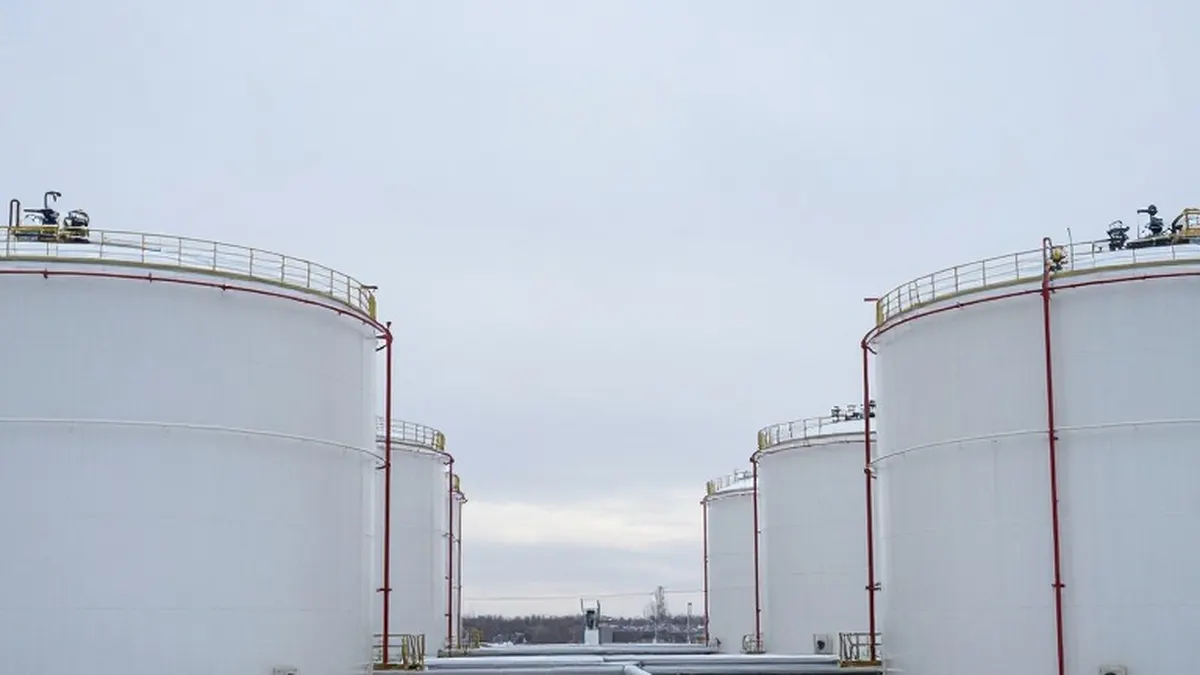
Gas prices across Europe experienced a significant upward trend on Monday, November 23, 2026. The surge was driven by forecasts predicting a cold snap in the coming weeks, which has heightened anxiety regarding the continent's ability to meet energy demands during the winter months. This development has intensified concerns about already over depleted supply reserves and the resulting impact on household budgets.
The Dutch month ahead contract, which serves as the primary benchmark for European gas prices over the next four weeks, reflected this volatility. The price rose by as much as 8.6% to reach €96.08 during the session. By the close, the contract had settled with a 4% increase, ending the day at €92.50. This jump comes at a critical time, as much of north west Europe prepares for the season when energy consumption typically peaks.
Several factors have contributed to the current strain on European gas supplies. Exports from Qatar have slowed down due to the ongoing conflict in the Middle East, reducing available volumes for the European market. Additionally, consumption levels rose earlier in the year as prolonged heatwaves necessitated increased use of refrigeration and cooling systems, drawing down stocks that were meant to last through the winter.
Current storage levels on the continent are significantly lower than the seasonal average. Reservoirs are approximately 69% full, compared to the typical level of 80% at this time of year. This deficit has prompted energy operators and regulators to closely monitor demand and supply dynamics as temperatures are expected to drop.
In the United Kingdom, energy system operators have indicated that the country possesses sufficient gas and electricity to meet demand during the coldest months. This assurance is partly attributed to the UK paying higher market prices than its neighbors to secure necessary imports. However, this strategy comes with a financial cost for consumers, meaning British households are likely to face some of the highest energy bills in Europe this winter.
The energy regulator Ofgem is expected to announce a 26% increase in its quarterly price cap starting in January. This adjustment would add an extra £443 to the average annual bill for a dual fuel household. The magnitude of this potential rise suggests it could be one of the largest quarterly price increases on record, further straining consumer finances.
Clare Moriarty, the chief executive of the charity Citizens Advice, warned that a wave of people seeking emergency financial help is anticipated. She noted that her advisers encounter individuals daily whose budgets have been exhausted by years of compounding crises. Moriarty stated that millions of households are entering the coldest months of the year with little to no financial cushion.
Last month, Chancellor John Healey announced a £100 council tax reduction for 20 million households in bands A to D as part of his first budget, aimed at providing relief for energy costs. While Moriarty acknowledged the welcome nature of this top up, she argued that it would not stretch far enough for those most in need. She expressed concern that many households would quickly deplete the funds, leaving them at risk of deeper debt or inability to top up pre payment meters as winter sets in.
Moriarty urged the government to take action before the cold weather becomes severe. She highlighted that a targeted top up to the warm home discount and an emergency support credit for pre payment customers are vital practical measures. These steps, she argued, are essential lifelines to prevent households from being left in the cold and dark this winter.
Chris O Shea, chief executive of Centrica, the owner of British Gas, also voiced strong concern about the forecast jump in energy bills. In a statement to the BBC on Sunday, he described the situation as a massive problem, noting a rise in the number of people who are unable or unwilling to pay their bills. He warned that this trend is likely to continue into the new year, with some consumers lacking the means to pay and an increasing number choosing not to do so.