Free Blood Test Uncovers High Cancer Risk in Nebraska Family
A 34-year-old nurse practitioner is undergoing preventive surgery after a community study identified her with a BRCA2 mutation despite limited family history.
By Amir Navarro ·
Erin Thoman, a 34-year-old nurse practitioner and mother of four in Omaha, Nebraska, is preparing for a double mastectomy and the removal of her ovaries and fallopian tubes. The surgical plan follows a genetic screening that revealed she carries a BRCA2 gene mutation, a finding that dramatically alters her medical outlook despite her lack of significant cancer history in her immediate family.
The discovery originated through the Genetic Insights Project, a free research study administered by Nebraska Medicine. Thoman’s sister, a nurse, initially enrolled in the program to assist with data collection. Her participation triggered a cascade of testing for the family. Thoman and her mother subsequently underwent the same screening and confirmed that all three women carry the mutation.
The BRCA genes typically function to repair DNA and prevent cellular changes that lead to cancer. When these genes are damaged, the risk for specific malignancies rises sharply. For women with these mutations, the potential for breast and ovarian cancer increases, while men face elevated risks for breast and prostate cancer. Thoman stated that the diagnosis removed the uncertainty of waiting for symptoms to appear.
Medical projections indicate that the upcoming double mastectomy will reduce Thoman’s breast cancer risk from approximately 60% to less than 10%. She has already consulted with a breast surgeon and has scheduled additional appointments for the gynecologic procedures. Thoman described the decision as a way to secure her future presence for her children, noting that she no longer needs the organs that carry the highest risk.
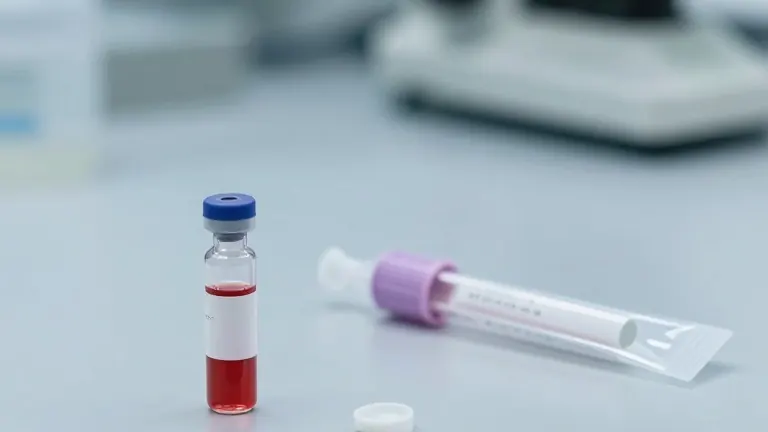
The Genetic Insights Project has provided results to 15,000 residents in the Omaha metro area. Researchers aim to enroll 100,000 participants in Nebraska and 3 million across the United States. Participants submit a blood sample or an at-home saliva kit for analysis by Helix, a genetic testing firm. The screening targets three specific gene mutations linked to various diseases, including multiple cancer types.
Dr. Doug Stoller, a cardiologist involved in the study, emphasized the importance of early identification. He noted that the objective is to detect risks before disease manifests. Data from the project indicates that one in 75 screened individuals carries a genetic mutation. Furthermore, more than half of those who test positive were previously unaware of their elevated risk. Thoman is now encouraging peers to participate, citing the simplicity and cost-free nature of the screening.