
Watchdog warns facial recognition errors increase wrongful arrest risk for minorities
An official report reveals that police are treating flawed facial recognition data as evidence, increasing the risk of wrongful arrests for ethnic minorities.
By Amir Navarro ·
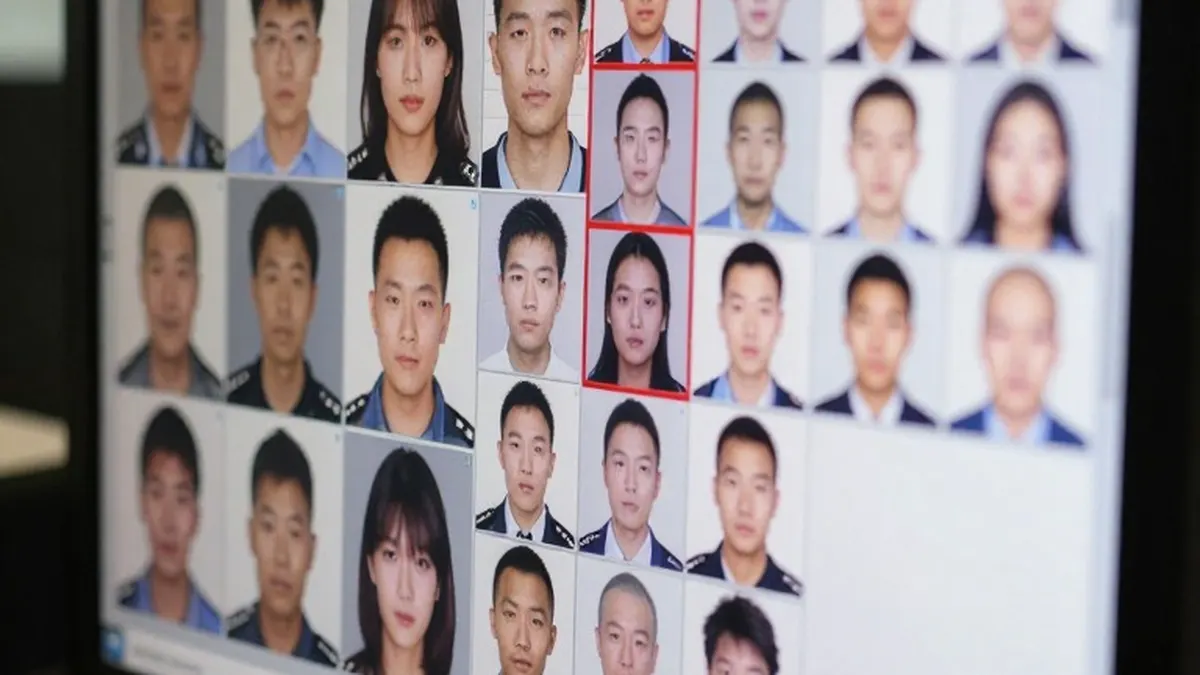
A new official report has warned that police officers are placing innocent individuals at risk of wrongful arrest, particularly those from ethnic minority backgrounds, by treating inaccurate facial recognition data as definitive evidence. The findings, published by His Majesty’s Inspectorate of Constabulary on Wednesday, highlight significant flaws in how the technology is currently deployed within law enforcement agencies.
The report specifically examines retrospective facial recognition, a method considered less controversial and technically complex than live facial recognition used for real-time suspect identification. Despite its potential to aid in solving crimes, the investigation found that the system is plagued by errors and inherent biases. A critical issue identified is that many operators do not fully understand that the data generated by the software serves as intelligence requiring further verification, rather than concrete proof.
The inspectors noted that some investigators acted on potential matches without conducting sufficient corroborative inquiries. In a small number of cases, officers relied too heavily on the results, leading to inappropriate investigative actions. This approach creates a tangible risk that people could be incorrectly identified or arrested, a scenario that could significantly undermine public trust in the utility of the technology.
Bias remains a central concern in the algorithm’s performance. The report indicates that the system is more likely to wrongly flag individuals from ethnic minority groups as suspects. Furthermore, auditors discovered instances where users uploaded poor-quality or unsuitable probe images, such as blurred photos or images containing multiple faces. These technical shortcomings reduced the system’s ability to return reliable matches, compounding the risk of error.
Data management issues also emerged as a factor in the loss of public confidence. Inspectors found that custody images, which should have been deleted according to policy, were often retained. This retention of data raises questions about how long personal information is stored and how it is accessed, adding to the complexities of using the technology responsibly.
The report also points to a legislative gap, stating that current laws have not kept pace with advancements in facial recognition technology. There is currently no comprehensive statutory framework governing the use of these systems. This lack of clear regulation makes it difficult for police forces to understand the lawful basis for their actions and to implement the necessary safeguards to protect the public.
Kathryn Stone, His Majesty’s Inspector of Constabulary, emphasized that continued public support depends on demonstrating that the technology is used properly. She stated that police forces must show that appropriate safeguards are in place and that risks relating to bias and data retention are effectively managed. Stone argued that a clearer statutory framework, stronger national standards, and improved governance are essential to maintaining confidence in the system.
Reactions from advocacy groups have been critical. Jasleen Chaggar of Big Brother Watch described the findings as alarming, noting that officers are treating probability scores as bona fide evidence. She warned that this approach increases the likelihood of innocent people being arrested for crimes committed in locations they have never visited. Chaggar also highlighted that police are not even logging their use of retrospective facial recognition, meaning individuals could become suspects in criminal investigations without realizing why they have been accused.
In response, Ben Russell, the lead on facial recognition for the National Police Chiefs’ Council, stated that policing remains committed to the ethical and responsible use of the technology. He expressed satisfaction that the inspectorate recognized the exciting possibilities offered by these tools for investigating crime and keeping communities safe.
Prof Pete Fussey of the University of Southampton, who previously served as a police adviser on facial recognition, added that meaningful human scrutiny of AI systems is a legal requirement. He noted that the report provides examples of investigators accepting the computer’s suggestions at face value without performing the necessary additional checks.