EU Leaders Prepare to Boost Ukraine's Air Defenses and Winter Resilience
European foreign ministers will convene in Brussels to coordinate increased air defense support and energy aid for Ukraine ahead of what diplomats call its most challenging winter since the full-scale invasion began.
By Vanessa Lopez ·
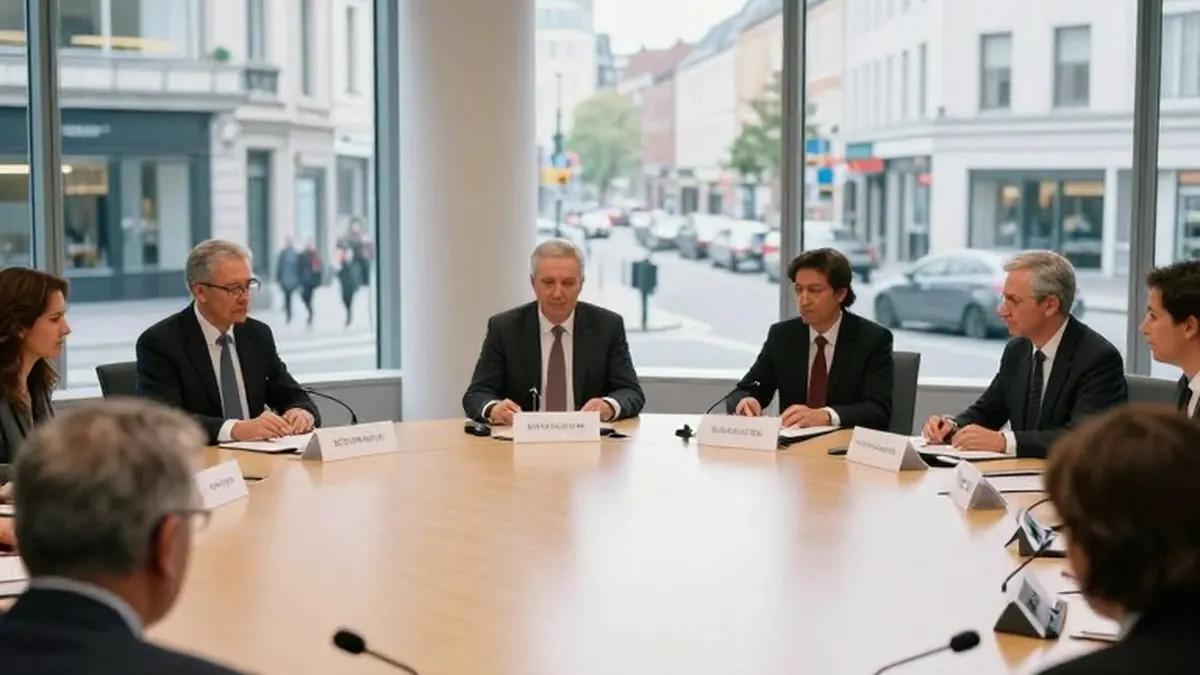
European Union foreign ministers are set to meet in Brussels on November 16, 2026, to address urgent strategies for strengthening Ukraine's air defense capabilities and supporting its energy sector. The summit will feature Ukrainian Foreign Minister Andrii Sybiha, who is scheduled to provide a direct briefing to his European counterparts on the current state of the conflict.
According to EU diplomats involved in the preparations, the winter ahead is expected to be the most difficult for Ukraine since the start of Russia's full-scale invasion. This assessment underscores the critical nature of the discussions planned for the coming days. Sybiha will attend the EU Foreign Affairs Council meeting to outline recent developments on the frontline and detail Kyiv's ongoing diplomatic initiatives.
Following the Ukrainian minister's address, EU leaders will hold an internal session to determine concrete steps Europe can take to bolster Ukraine's resilience. Key topics for this discussion include the provision of additional air defense systems and the stabilization of critical energy and water infrastructure. These measures aim to ensure that Ukraine can withstand potential winter-related vulnerabilities and continued military pressure.
The agenda also includes efforts to encourage individual member states to increase their financial and material contributions to assisting Ukraine. While specific pledges are often made bilaterally, the collective discussion seeks to align national efforts with broader European support strategies. The goal is to create a more robust and coordinated response to the evolving needs of the Ukrainian state.
The European Commission will also present an update on the current state of funding for Ukraine. Officials will discuss preparations for a proposal to increase financial support in 2027. This future budget requirement is estimated at 70 billion euros. The EU intends to cover two-thirds of this amount, which equates to 45 billion euros, to help sustain Ukraine's economic and military operations.
Diplomatic efforts to end the war will also be on the table. The ministers are expected to review recent negotiations, including those held earlier this week in Abu Dhabi. European representatives participated in these talks, and the outcomes will likely inform the EU's diplomatic stance as it seeks to advance peace efforts alongside military support.
In addition to the strategic discussions, the Council of the EU is scheduled to expand its sanctions regime against Russia on November 16. The new package will add 145 individuals and legal entities to the official sanctions lists. This move is part of a broader strategy to tighten the economic noose around the Russian economy.
Maria Luís Albuquerque, the European Commissioner for Financial Services, specified that the new sanctions listings will target oil refineries and structures linked to Russia's shadow fleet. These entities are considered key components of the Russian energy export network. By targeting them, the EU aims to reduce revenue streams that support the war effort.
French Minister for European Affairs Benjamin Haddad confirmed that the EU will introduce sanctions restrictions against 50 banks operating in Russia as part of the same package. Haddad noted that France proposed including the majority of these banking entities in the list. This significant expansion of financial sanctions signals a continued commitment to isolating Russian financial institutions from the European system.