EU Set to Approve New Sanctions on Russian Oil Refineries and Shadow Fleet
European leaders are preparing to adopt a new round of restrictive measures targeting Russia's energy sector and maritime logistics next week.
By Marina Weber ·
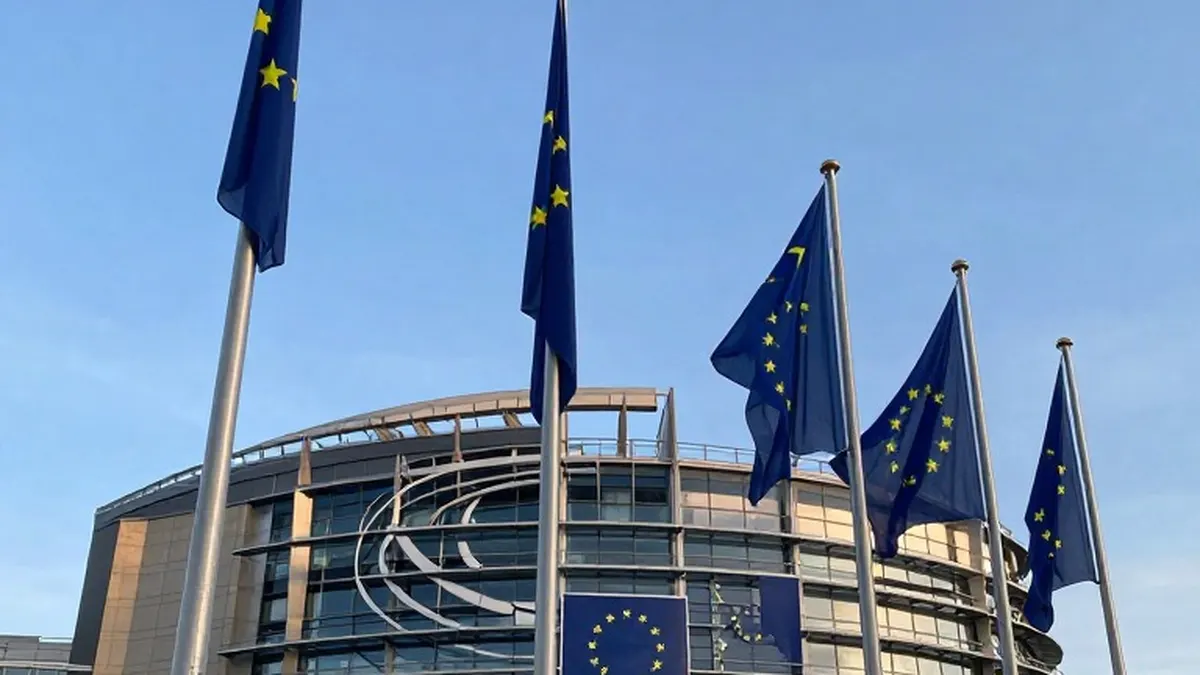
European Union foreign ministers are expected to approve a new package of sanctions against Russia on November 16. The upcoming measures will specifically target Russian oil refining businesses and structures associated with the so called shadow fleet. This development was confirmed by Maria Luís Albuquerque, the European Commissioner for Financial Services, during her address to the European Parliament on November 12.
Albuquerque stated that the adoption of these listing measures represents another significant step in targeting those who enable and profit from Russia's war of aggression. She described the upcoming action as a hard listing aimed at the shadow fleet ecosystem and key oil refineries. The European External Action Service and the European Commission are currently finalizing preparations for proposals regarding a broader 22nd package of sanctions.
According to sources within the EU cited by European Pravda, this 22nd package is anticipated to be ready by the end of November. The current focus on the shadow fleet is part of a sustained effort to limit Russia's ability to export energy and maintain financial liquidity. The EU has already included over 690 shadow fleet vessels in its sanctions lists.
These listed vessels are denied access to EU ports and the provision of various services, which restricts their operational capabilities. Albuquerque noted that the EU has also cut off significant parts of the Russian financial sector. This has forced Russian banks to rely on alternative payment channels, prompting the EU to introduce measures to limit those routes as well. To date, transaction bans have been imposed on more than 100 Russian banks.
The commissioner emphasized that the sanctions are achieving their intended effects. She remarked that Moscow is aware of the impact, noting that the restrictions have cost Russia over one trillion euros that could otherwise have been spent on the war effort. The EU plans to continue coordinating its sanctions policy with international partners, particularly within the G7, to enhance the effectiveness of these restrictions and counter attempts at circumvention.
French Minister for European Affairs Benjamin Haddad also provided details on the upcoming measures. He confirmed that the EU will introduce sanctions restrictions against 50 banks operating in Russia on Monday. Haddad added that France proposed including the majority of these entities in the new list.
In a related development, EU member state ambassadors at a meeting of the Committee of Permanent Representatives on November 11 preliminarily agreed to add 145 individuals and legal entities to the sanctions lists. This follows an earlier approval on October 12, where EU foreign ministers sanctioned nearly 1,600 people linked to Russia's military industry. More than half of those individuals were involved in the production of ballistic missiles.
The new sanctions reflect a continued strategy by the European Union to tighten the economic noose around Russia. By targeting both the financial and energy sectors, the EU aims to increase the economic pressure on Moscow. The coordination among G7 partners is expected to play a crucial role in minimizing the opportunities for Russian companies to bypass these new restrictions.