Drought-hit Hungary to host Israeli delegation for water and energy cooperation talks
Israeli experts in water, energy and sustainability will travel to Budapest on November 24 as Hungary seeks help confronting a severe drought that nearly crippled its only nuclear power plant.
By Amir Navarro ·
With Hungary in the grip of a devastating drought, Israel's Foreign Ministry and Keren Kayemeth LeIsrael-Jewish National Fund (KKL-JNF) are dispatching a delegation of water, energy and sustainability experts to Budapest on November 24, in a bid to deepen cooperation between the two countries.
The delegation will bring together representatives of Israeli public utilities in the water and energy sectors, startups and established companies including drip irrigation pioneer Netafim, and academics from institutions such as Bar-Ilan University and Kinneret College.
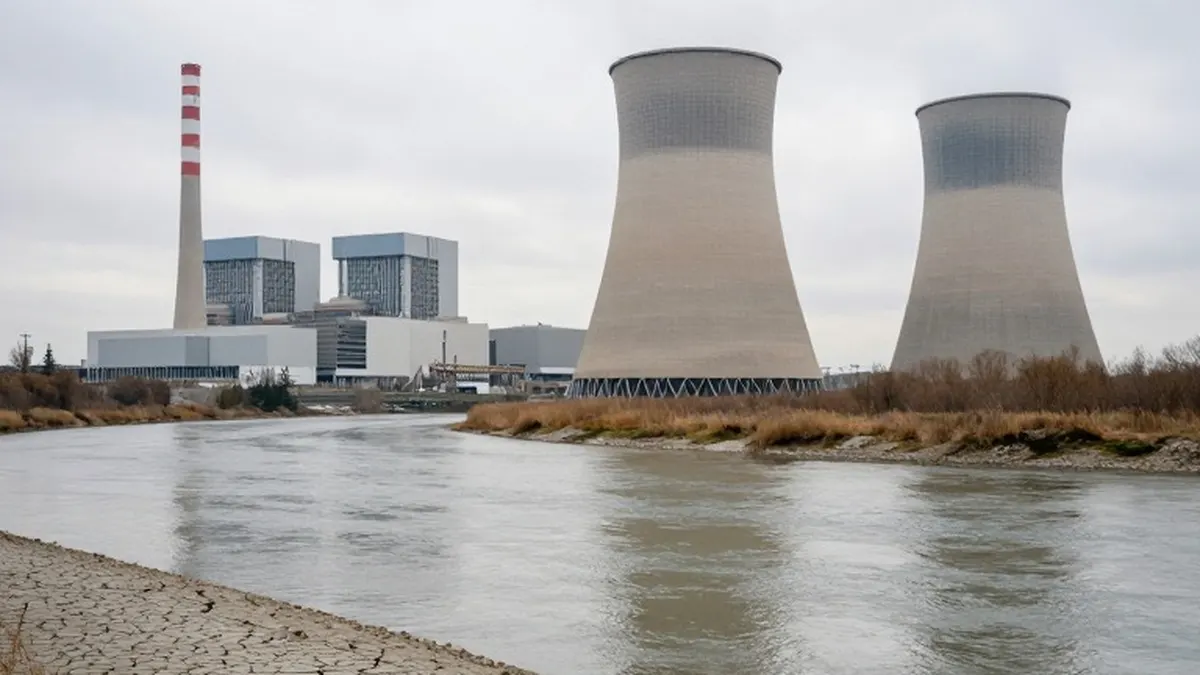
Hungary's water crisis came to a head this summer, when record-low water levels on the Danube River forced the country's sole nuclear power plant, which supplies roughly 42 percent of national electricity, to slash output to just over 10 percent of capacity.
The Paks plant, which depends on the river for cooling water, narrowly escaped a complete shutdown, according to Reuters. Hungary also has plans to build a second nuclear power plant.
Although the country has expanded its solar capacity, Hungary still relied on imports to cover nearly a fifth of its electricity needs in 2025, according to the Hungarian Central Statistical Office. It also remains heavily dependent on Russia for oil, natural gas and nuclear fuel.
The government of Prime Minister Péter Magyar, which took office in May, has pledged to introduce new legislation on climate change, water management and energy.
The forum is presented by KKL-JNF and the Israeli Embassy in Hungary, with the Institute of Directors Hungary serving as a strategic partner. It will examine water management, the changing energy landscape and the role of artificial intelligence in critical infrastructure.
Next week's plenary sessions will tackle water scarcity and security across cities, agriculture and industry, along with the shifting energy landscape and the role of artificial intelligence in water, energy and infrastructure systems.
Discussions will center on matching Hungary's water and energy security needs with Israeli expertise, the path from innovation to market, and infrastructure development through 2035. The program will also feature short technology showcases by leading Israeli companies and a scheduled memorandum of understanding signing.