COP31 Negotiations Enter Second Overtime Day as Deadline Passes
Delegates in Antalya struggle to bridge gaps on fossil fuels and finance as the climate summit extends beyond its scheduled end.
By Vanessa Lopez ·
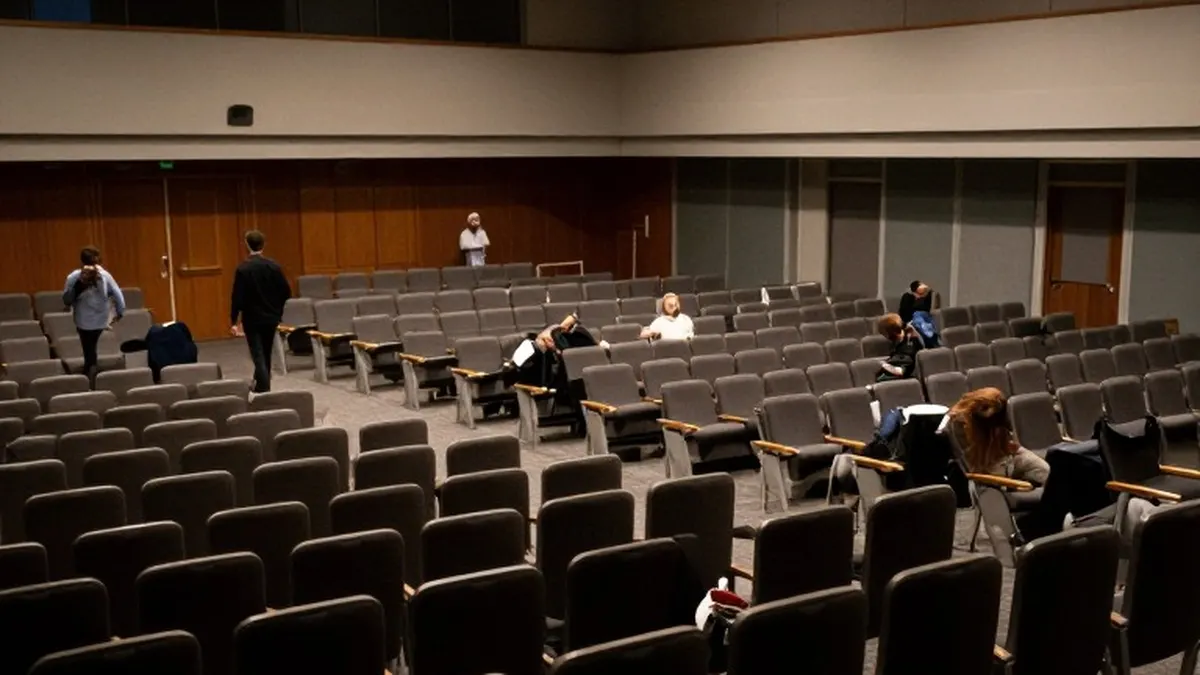
The United Nations climate conference in Antalya, Turkey, has entered a second extra day of negotiations after failing to reach a final agreement by its scheduled conclusion on Friday. As the deadline for the summit passed, the main venue became largely deserted, with staff packing up catering areas and exhibits while delegates moved between meeting rooms or rested in anticipation of a new draft text.
Murat Kurum, the president of COP31 and Turkey's environment minister, stated that nations have not lost hope despite the ticking clock. He emphasized that representatives are still actively negotiating and working with full effort to secure what he termed the Antalya Agreement. Kurum called on participating countries to act responsibly, urging them not to let minor disputes over specific words or phrases derail the broader consensus.
In the early hours of Sunday, Kurum indicated that a wording acceptable to all parties has been identified. He announced that the final text would be distributed shortly, with the goal of bringing the final decision to the general assembly between 10:00 and 10:30 a.m. local time.
However, not all observers share such optimism. Wopke Hoekstra, the EU climate commissioner, described the situation as an all-or-nothing scenario, stating that the outcome would be either a good deal or no deal at all. Conversely, Rachel Cleetus from the Union of Concerned Scientists offered a more pessimistic assessment. She described the event as being in a bleak overtime, noting that supplies of food and water were dwindling and that there had been no significant progress since the underwhelming texts released earlier.
The primary obstacles to a deal remain the inclusion of references to fossil fuels and the level of financial support for poorer nations. Fossil fuels are identified as the main driver of man-made climate change. A draft document released on Thursday removed references to ending fossil fuel use, a move attributed to objections from Saudi Arabia and other major oil and gas producers. Additionally, the draft dropped a target of 120 billion dollars for helping developing countries adapt to climate impacts.
Experts emphasize that emissions must be dramatically reduced to avoid a future characterized by dangerous extreme weather events and rising sea levels. On Saturday, a letter from 100 civil society groups warned that the current event was on track to become one of the most disappointing in history. The groups cautioned that time is running out to prevent COP31 from becoming a low point in three decades of climate negotiations.
The stakes are high given the landmark Paris treaty established at COP21 in 2015. That agreement set the goal of limiting global temperature increases to 1.5 degrees Celsius above pre-industrial levels by 2100. Recently, the United Nations warned that exceeding this 1.5 degree threshold is now imminent and inevitable, asserting that governments are running out of time and excuses.
The United States, the world's largest economy, did not participate directly in this year's talks for the second consecutive year. President Trump, who views climate change as a hoax, has ended cooperation on climate policy. Following the events in Antalya, next year's conference is planned to take place in Addis Ababa, the capital of Ethiopia.