German politician assaulted at Berlin protest, Saudi forces intercept Houthi missile
Karoline Preisler was kicked during a counterprotest in Berlin, while the Saudi-led coalition reported destroying a ballistic missile launched by Yemen's Houthis.
By Marina Weber ·
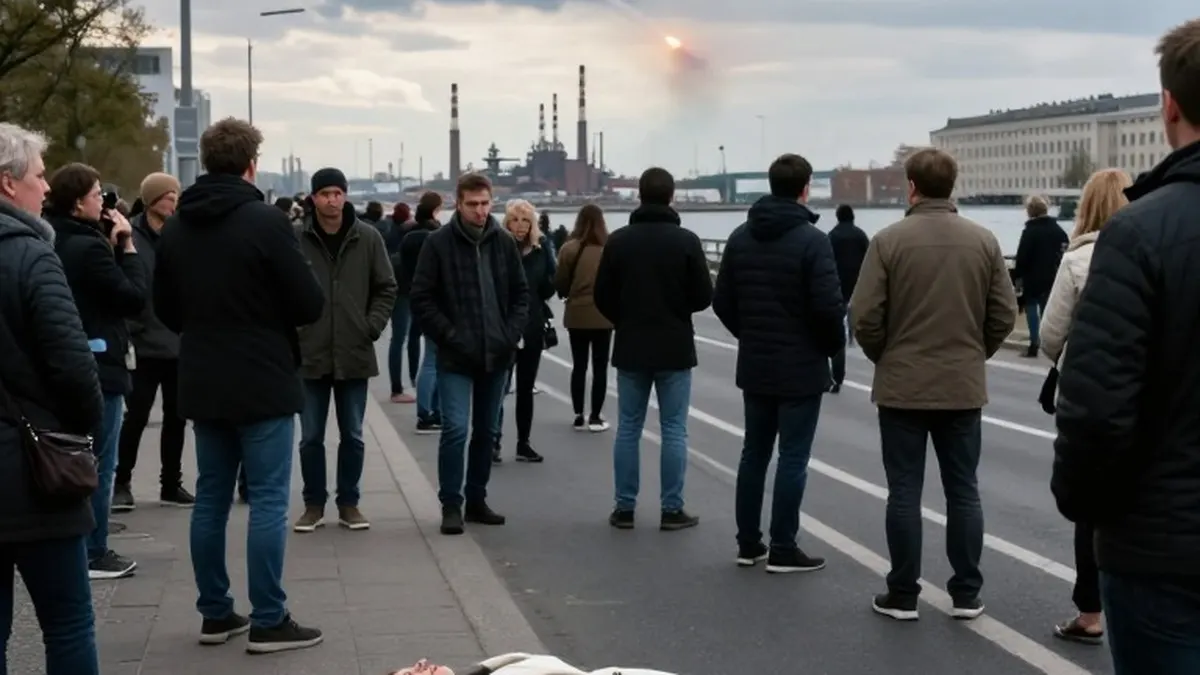
Karoline Preisler, a member of the Free Democratic Party in Germany, was physically attacked during an anti-Israel demonstration in Berlin. The incident occurred in the late afternoon when Preisler, who had arrived to counterprotest, was kicked by a 25-year-old man and fell to the ground. Berlin Police confirmed the details of the event and stated that the attacker has been taken into custody. Preisler reported having a headache but declined medical treatment at the scene.
Prior to the assault, the politician shared photos of the demonstration on social media, including an image of a sign that read, "only peace, zero intifada." She also used the hashtag #FreeBerlinFromHamas and wrote, "Trust me, I’ll hold the fort." According to the German publication Die Welt, Preisler has frequently participated in counterprotests against anti-Israel rallies. An image circulating online shows her lying on the pavement wearing a white coat.
German Foreign Minister Gideon Sa’ar praised Preisler’s resilience in posts written in both Hebrew and German. He stated that he spoke with her personally and thanked her for standing with Israel. Sa’ar described her steadfastness as inspiring and her courage as admirable, adding, "We’re all with you, Karoline. Thank you for who you are." The chairman of her party, Wolfgang Kubicki, also issued a statement supporting her. He declared that the entire Free Democratic Party stands behind her courageous fight against antisemitism and warned the attackers that their hatred would not prevail.
Kubicki expressed his wish for a full and speedy recovery for Preisler. He added that the attackers would soon feel the impact of the liberal rule of law. The political incident highlights the ongoing tensions surrounding public demonstrations in Berlin and the role of opposition figures in these events.
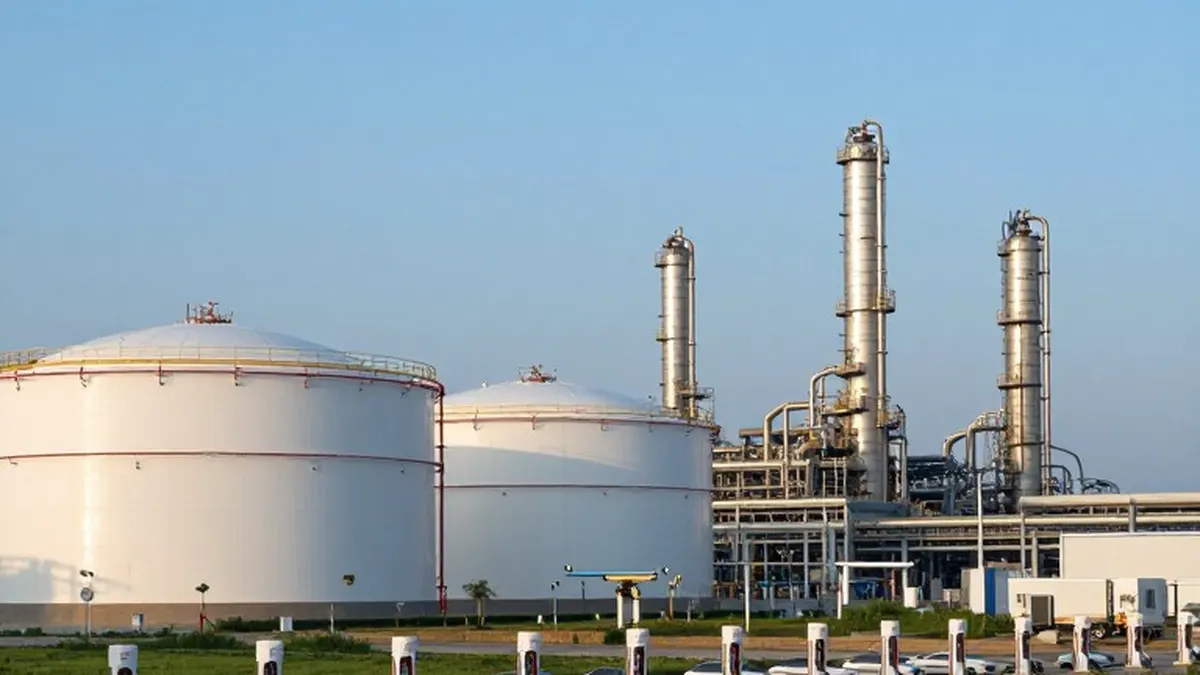
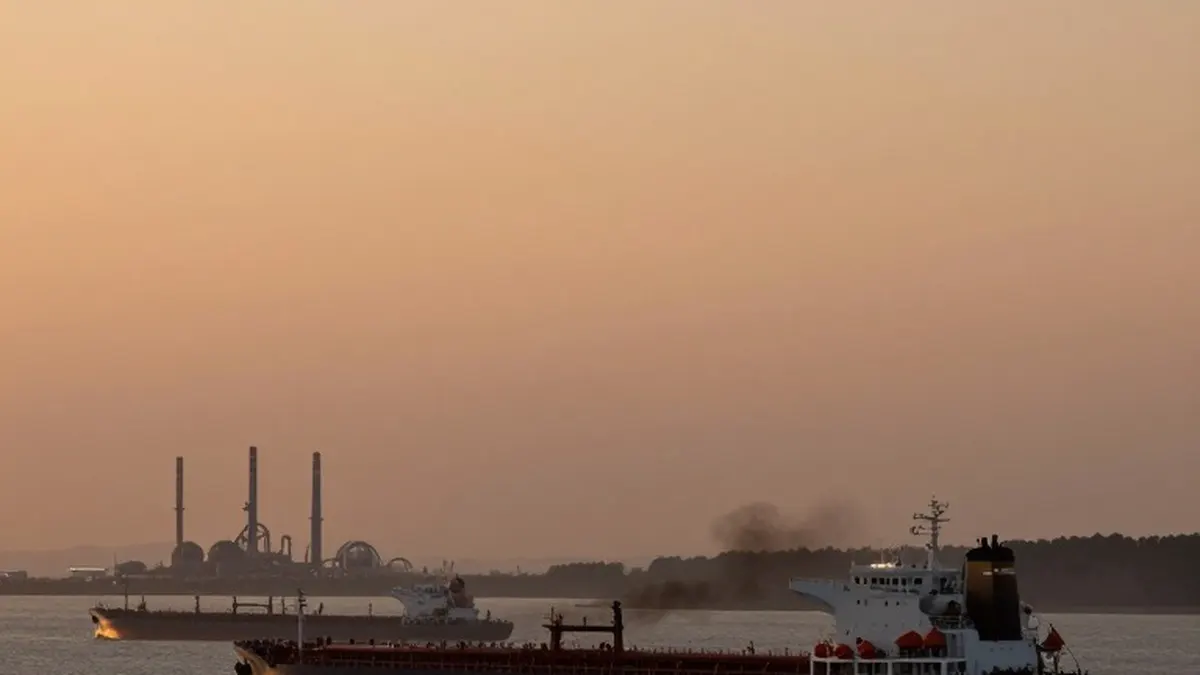
In related regional developments, the Saudi-led coalition announced the interception and destruction of a ballistic missile. The projectile had been launched by Yemen’s Iran-backed Houthis toward the western region of Saudi Arabia. This event takes place amid escalating hostilities between the kingdom and the rebel group. The western coast of Saudi Arabia is a critical area for energy infrastructure, hosting the Yanbu South Terminal, a major crude export facility, and the Jazan refinery in the far southwest.
The interception marks a significant moment in the ongoing conflict between the coalition forces and the Houthi movement. The presence of key energy assets in the targeted region underscores the strategic importance of the area. Military officials continue to monitor the situation closely as tensions remain high in the region.
The combination of political unrest in Europe and military activity in the Middle East illustrates the complex dynamics currently shaping international affairs. Leaders and parties are responding swiftly to both local incidents and broader geopolitical challenges.
The response from German political leaders to the attack on Preisler has been swift, with strong statements of solidarity from within her party. Meanwhile, the Saudi military’s successful interception demonstrates the continued efforts to protect strategic infrastructure from regional threats.
These events, occurring on the same day, reflect the multifaceted nature of current global news. From the streets of Berlin to the skies over Saudi Arabia, significant developments are unfolding across different continents.
The situation in Berlin is expected to remain a focus for political discussion in Germany, while the Middle East continues to see active military engagements. Both incidents have drawn attention to the challenges facing political figures and regional stability in the current climate.