Sudanese child refugees face crisis in Egyptian slums
Thousands of Sudanese child refugees in Egypt are facing severe trauma, poverty, and danger in overcrowded neighborhoods with limited support.
By Amir Navarro ·
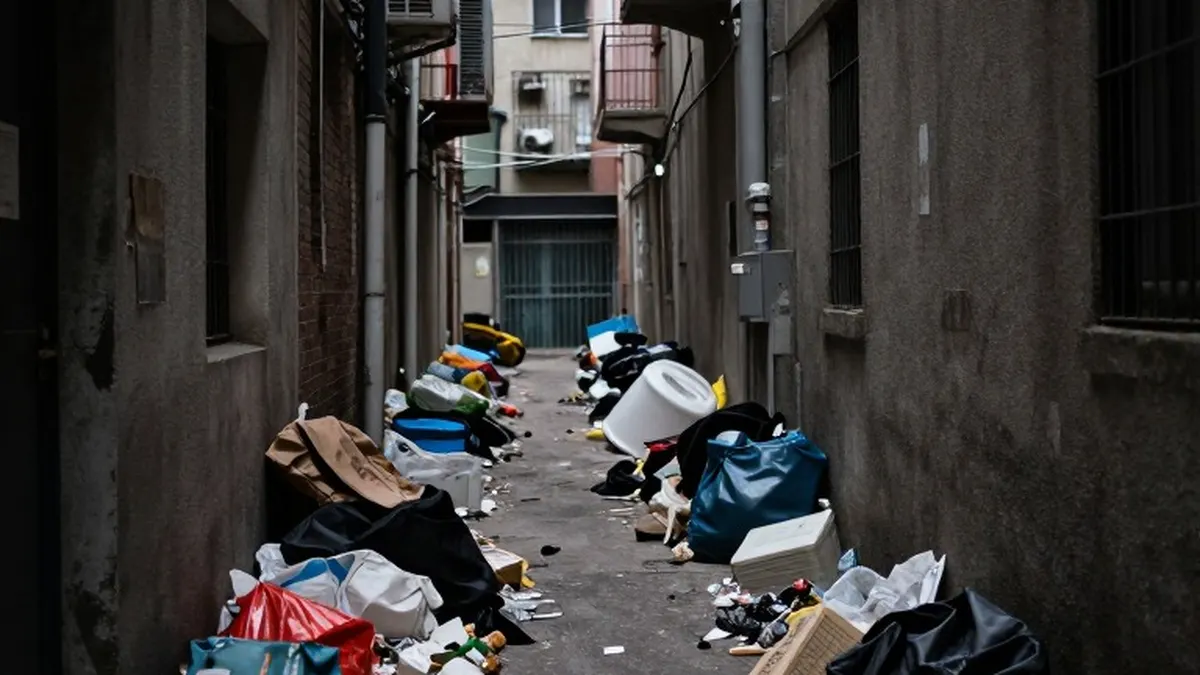
Sudanese children fleeing the civil war in their homeland have found themselves trapped in a forsaken neighborhood in Cairo. The area is characterized by piles of rubbish, the smell of raw sewage, and roaming gangs of drug dealers at night. These children call this harsh environment home, a stark contrast to the life they lost due to violence in Sudan.
Social worker Tala, whose name has been changed for privacy, spends her days supporting deeply traumatized refugees. She describes the case of an eight-year-old boy who was suicidal after his father was killed in Sudan. The boy repeatedly told his mother he wanted to die to join his father. Over several months, Tala worked to build a relationship with him, helping him return to school and manage his anger and fear.
Support workers estimate that there are 400,000 Sudanese child refugees in Egypt. Most of them are traumatized by the war and stuck in poverty. Between 50% and 70% of these children remain out of education. Many are left unattended while their parents work ten-hour shifts that barely cover the cost of basic food and rent. These children often live in unsafe neighborhoods without residency papers or access to mental healthcare.
Clinical psychologist Rajia says the children have been pushed to a violent breaking point. She notes that they often act out scenes from the war, such as drawing cannons or fighter jets when asked to create art. Without the structure of school, a low-grade despair sets in. Rajia reports a rise in cases of young teenagers self-harming and taking their own lives. One teenage boy recently told his family he wanted to see the world outside his window before he took his own life.
Many children have lost the will to learn, telling social workers that they see no benefit in continuing their education. Some express a belief that they will die if they are returned to Sudan. This pain is compounded by the fear of daily deportation raids. Egyptian police frequently search homes and businesses for refugees. One mother described how her 14-year-old son was detained for over two months before being deported to Sudan without an adult accompanying him.
Economic necessity forces many children to work, putting their safety at risk. Children as young as 11 are employed on farms and in factories where they face physical and sexual abuse. Aid workers also note that children are vulnerable to being groomed for sexual exploitation, often lured by promises of mobile phones or money. Unsupervised children are also exposed to gangs and drug use, which have become daily features of life.
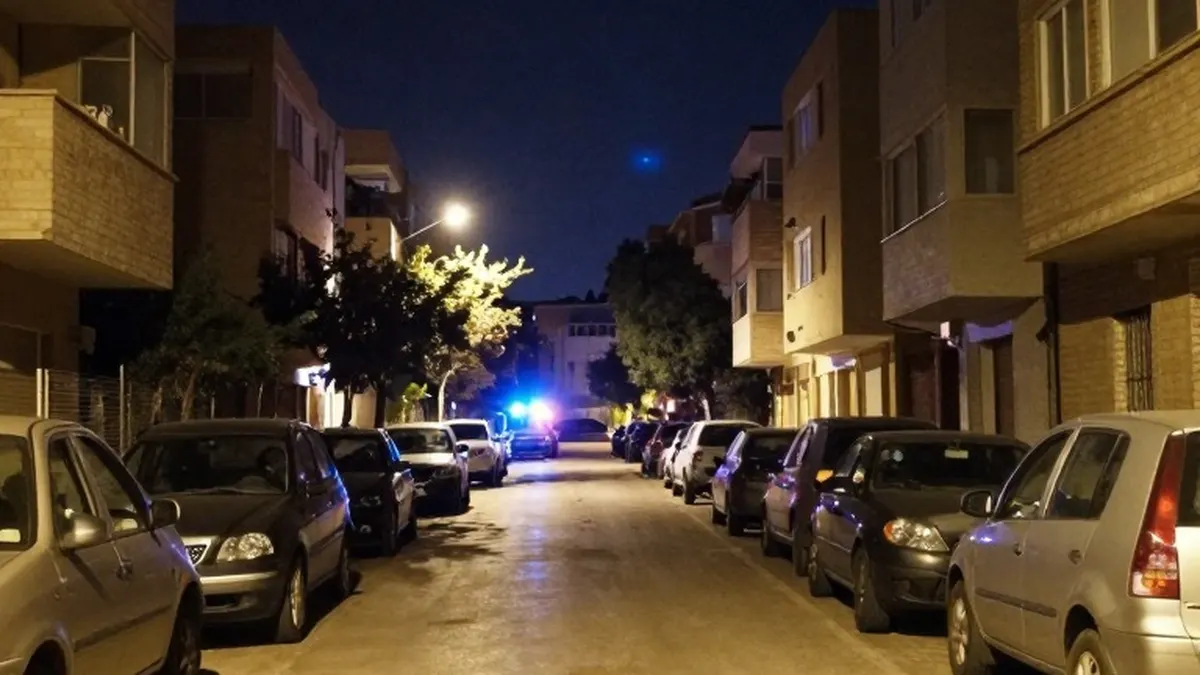
Doctor Adam treats many teenage patients affected by substance abuse who arrive with severe injuries, either self-inflicted or from fights. He says drugs offer an appealing escape for many young people. Out of more than a dozen mothers interviewed, all expressed concern about the lack of safe accommodation. They feared leaving their children alone at night due to armed gangs of Egyptian and Sudanese teenagers.
Miriam, a mother of five, described how her 14-year-old daughter Jana was threatened by a gang member while walking home from work. The gang member eventually stabbed Jana, leaving a deep wound in her thigh. Miriam appealed to the UNHCR for help finding a new home but was told she could not afford to move elsewhere. Another grandmother, Azza, cares for her seven-year-old granddaughter after the girl's parents were killed in a missile attack. The two share a small, flea-infested bed, and Azza recently declined a job to avoid leaving her granddaughter alone at home.
The situation for these families remains precarious. Azza notes that her granddaughter remembers soldiers chasing them and has become lost in her thoughts. While she currently declines work to keep an eye on the child, she knows she will soon need to take a job with long hours to contribute to rent and expenses. The cycle of poverty, trauma, and danger continues for these refugee families in Egypt.