Vance denies split with Trump on Iran war, says prolonged commitment is off the table
The vice president defended the administration’s Iran campaign while acknowledging its electoral cost and saying Trump is weighing how to end the conflict.
By Amir Navarro ·
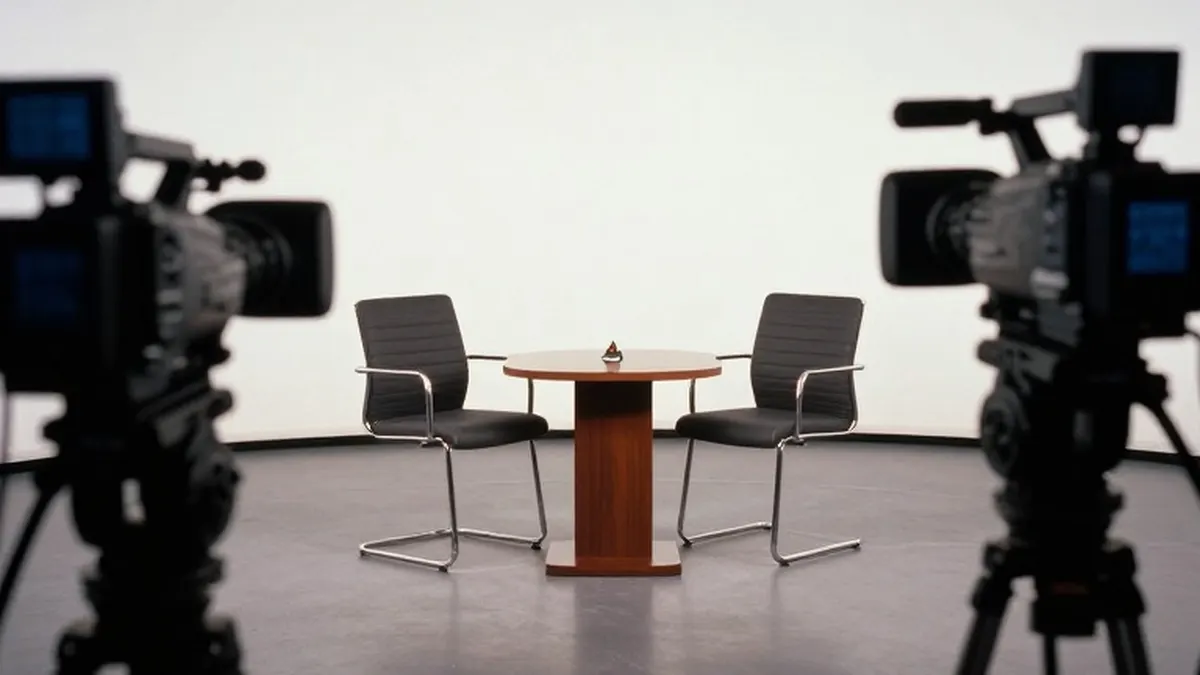
US Vice President JD Vance rejected suggestions on Monday that he disagrees with President Donald Trump over the war with Iran, despite linking the conflict to Republican losses in November’s midterm elections. Speaking to Fox News host Laura Ingraham, Vance said there was “no daylight” between their positions as Trump considers his next move.
Vance said administration officials debate policy internally, but senior officials are responsible for carrying out the president’s decisions. His remarks followed criticism of his assessment that the Iran war had significantly hurt Republicans at the ballot box. He acknowledged that higher gasoline and energy prices had imposed a political cost, adding that Trump had also recognized those consequences.
The vice president also attributed US energy difficulties to decades of inadequate investment in domestic infrastructure. He questioned whether the country had developed enough refining capacity, arguing that the problems extended beyond the impact of the conflict.
On the war’s future, Vance described options ranging from ending the military campaign to applying additional military and diplomatic pressure on Tehran. He said Trump was considering how to bring the conflict to a resolution, but offered neither a specific timetable nor an explanation of what would prompt further military operations. The United States continues to maintain substantial forces in the Middle East.
Defending the campaign, Vance claimed that US operations had destroyed Iran’s nuclear program and conventional military. He criticized advocates of further fighting, saying some appeared to favor an indefinite war. He also dismissed accusations that he was responsible for the failure to reach a diplomatic agreement, arguing that critics were targeting him because they were unwilling to criticize Trump directly.
Vance said he remained confident that Trump would prevent the conflict from becoming an open-ended American commitment. He emphasized that opposing prolonged involvement did not mean he opposed the original strikes, describing Iran’s nuclear program as a threat to the United States. He ruled out a commitment lasting 10 or 15 years, or even two years, and cited the administration’s promise to avoid further prolonged wars.
The interview also addressed Vance’s possible pursuit of the Republican presidential nomination in 2028. Asked about deciding next spring, he noted that fundraising and campaign organization required advance preparation. He said he had not decided whether to run and expected to reach a decision next year, after which he would commit fully to his chosen course. He is widely viewed as a potential successor to Trump amid Republican debate following the midterm defeats.
Vance also offered to cooperate with Michigan Democratic senator-elect Abdul El-Sayed, a progressive and outspoken critic of Israel. Ingraham raised El-Sayed’s joke about the irony of Vance potentially administering his Senate oath. Vance responded by expressing interest in discussing how to serve Michigan and the country.
Praising Michigan residents and their manufacturing work, Vance said he and Trump would welcome collaboration that improved their lives. He argued that Democrats had campaigned on rebuilding American industry and reducing energy costs, themes Trump promoted in 2024. He said achieving results mattered more to him than political differences and repeated his invitation to work with the incoming senator.