Kushner and Witkoff advance preparations for upcoming Ukraine peace summit
US special envoys confirm ongoing diplomatic efforts to convene a multilateral meeting on the Russia-Ukraine war, following recent communications with Russian, Ukrainian, and European officials.
By Vanessa Lopez ·
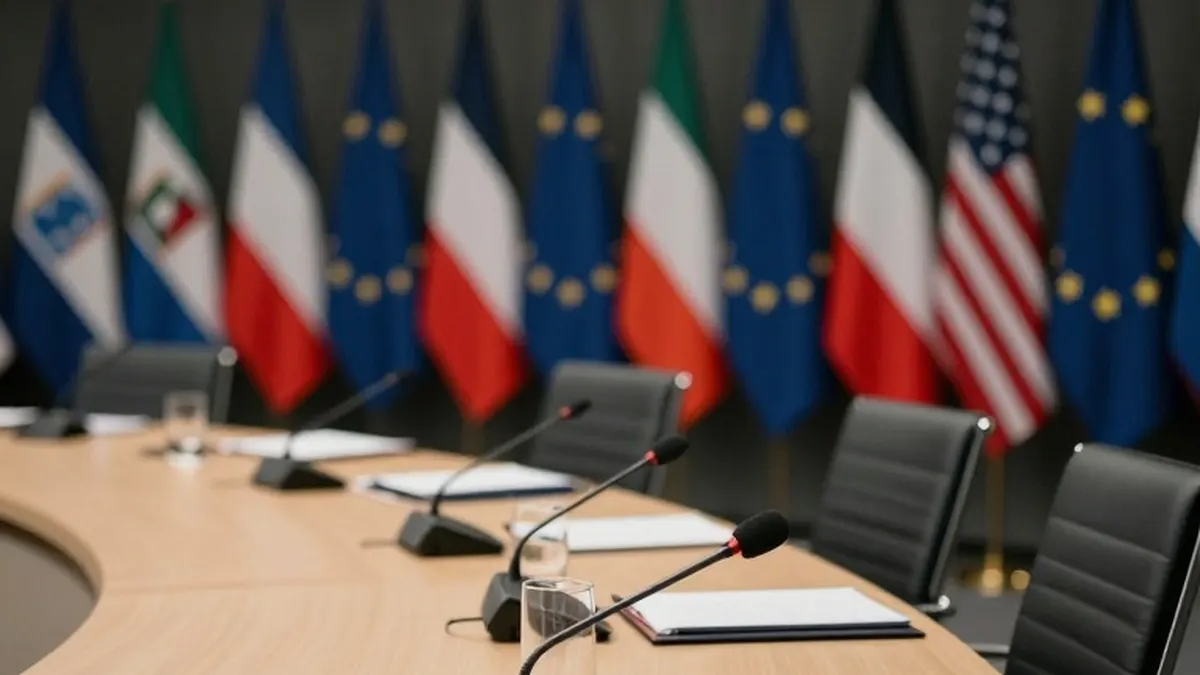
Jared Kushner, the US presidential envoy, announced on November 16 that significant diplomatic progress has been made toward organizing a multilateral meeting concerning the war in Ukraine. In a statement posted on the social media platform X, Kushner confirmed that he and fellow special envoy Steve Witkoff have engaged in discussions with key figures from Russia, Ukraine, and Europe to outline the next steps in the peace process.
The envoys reported that they spoke with Yuri Ushakov, a senior aide to Russian President Vladimir Putin, regarding the current state of negotiations. Kushner stated that the conversation covered the progress achieved so far and the immediate actions required to move the peace process forward. This dialogue is part of a broader effort to coordinate positions among the various parties involved in the conflict.
In addition to the talks with the Russian side, Kushner and Witkoff held what they described as a productive call with representatives from Ukraine, the European Union, and NATO. Ukrainian President Volodymyr Zelenskyy had previously acknowledged this communication, characterizing the discussion as difficult but necessary for advancing diplomatic solutions.
Kushner highlighted that the team has begun drafting the agenda for the next multilateral meeting, which officials are working to convene in the near future. A central focus of this upcoming agenda is to facilitate direct engagement between Europe and Russia. Kushner noted that such direct interaction has been largely absent for the past four years, emphasizing the importance of both sides hearing each other's concerns and proposals directly to work toward a more stable and secure future for the continent.
Despite the optimistic tone of the US envoys, some differences in perspective remain. On the same day, Yuri Ushakov stated that the involvement of European representatives in trilateral talks aimed at ending the Russia-Ukraine war had not yet been formally agreed upon by Moscow. This suggests that while communication channels are open, the specific format and participants for high-level negotiations are still being negotiated.
The recent diplomatic activity follows an informal summit held in Dublin on November 13, where EU leaders reached an agreement on the format for European representation in future peace talks. The agreed-upon structure for the European negotiating team will include representatives from the E5 countries, which are Germany, France, the United Kingdom, Italy, and Poland. The team will also feature representatives from the European Commission and the European Council.
EU foreign policy chief Kaja Kallas has outlined a clear strategy for these upcoming negotiations. She has stated that negotiators dealing with Russia should demand a ceasefire before discussing any of the Kremlin's specific demands. This approach aims to establish a baseline of stability before delving into the more complex political and territorial issues.
The current diplomatic push represents a significant escalation in multilateral coordination. By involving the E5 nations and key EU institutions alongside US and Ukrainian representatives, the international community is attempting to create a unified front. The success of the upcoming multilateral meeting will likely depend on the ability of these diverse groups to align their positions and address the structural challenges that have hindered previous peace efforts.
Kushner's remarks underscore the urgency of the situation, as the envoys seek to capitalize on recent momentum. The emphasis on direct engagement between Europe and Russia marks a shift in diplomatic strategy, aiming to reduce reliance on intermediaries. As the agenda for the next meeting is finalized, all parties are expected to remain closely engaged in the coming weeks to ensure the summit is convened effectively.
The diplomatic landscape continues to evolve as various stakeholders work to bridge the gaps that have defined the conflict. While challenges remain, particularly regarding the formal inclusion of European partners in trilateral frameworks, the recent series of calls indicates a renewed commitment to finding a path toward peace. The coming days will be critical as preparations for the multilateral meeting accelerate.