Ukrainian President Urges NATO Allies for Air Defense and Membership Clarity
Volodymyr Zelenskyy addressed NATO delegates in Berlin, stressing the urgent need for air defense systems and renewed calls for full alliance membership as European defense budgets expand.
By Amir Navarro ·
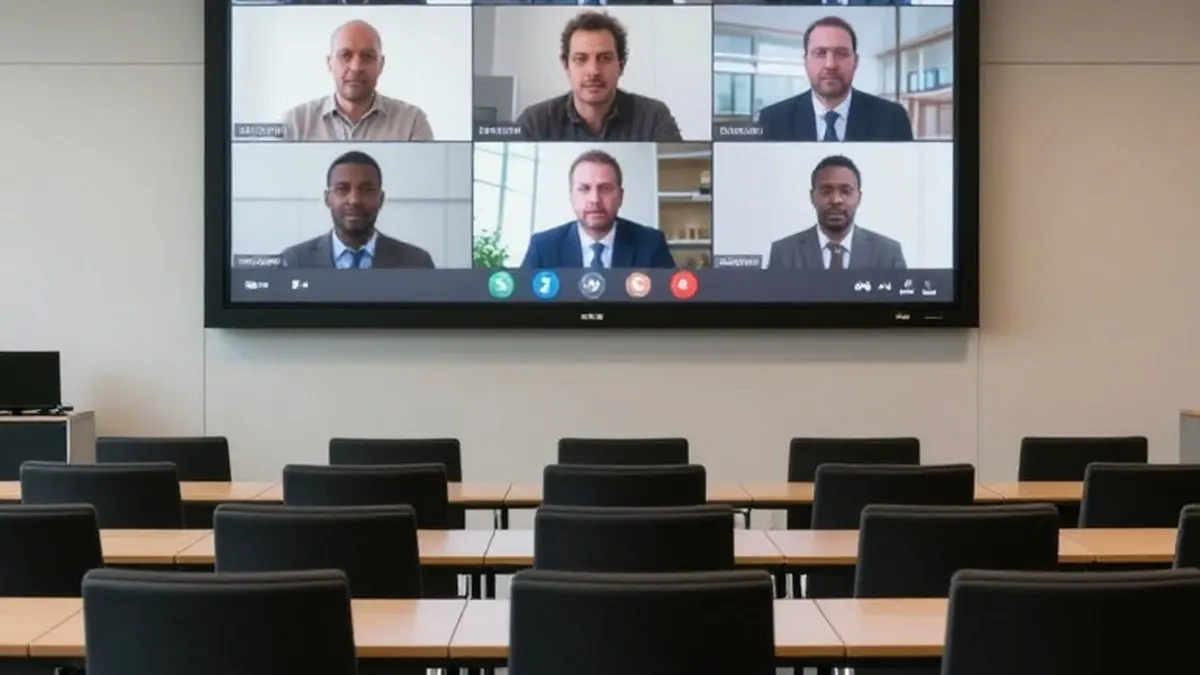
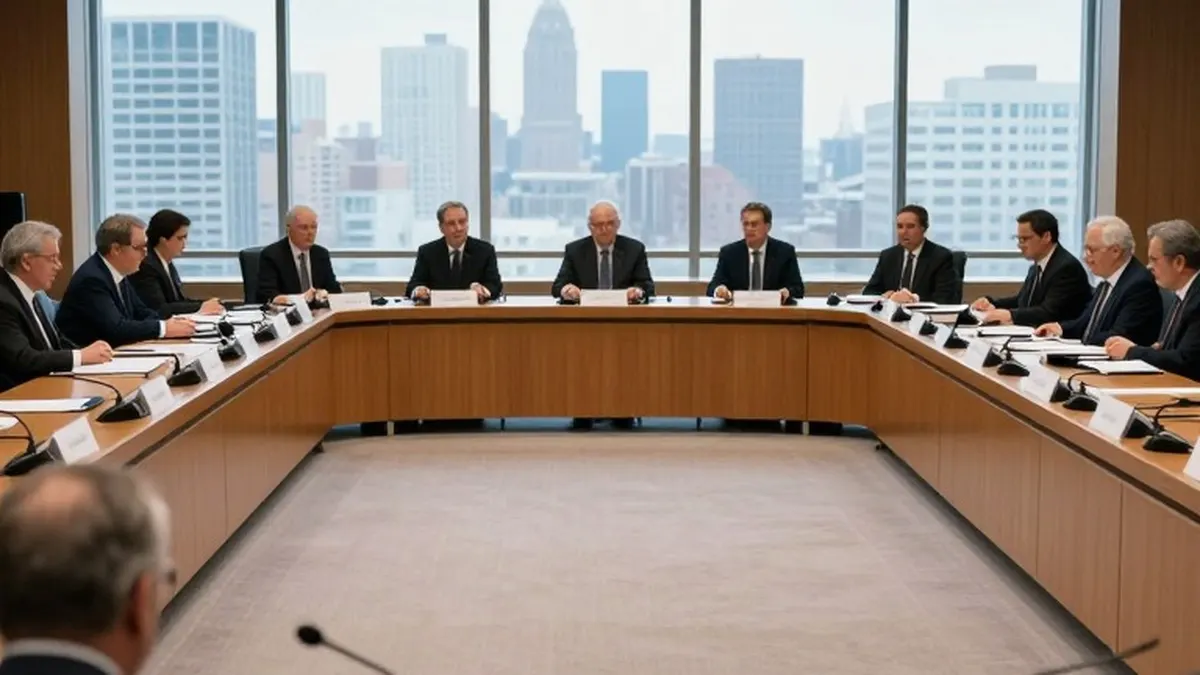
Volodymyr Zelenskyy addressed a video call with delegates from the NATO Parliamentary Assembly in Berlin, urging continued support for Ukraine against ongoing Russian aerial bombardment. The Ukrainian president emphasized that winter is approaching and that air defense remains the top priority for his country. He noted that Ukraine urgently requires additional Patriot systems and other comprehensive anti-aircraft equipment, pointing out that these missiles are currently available in the warehouses of allied nations.
During his remarks, Zelenskyy appealed directly to the assembly, stating that missiles capable of stopping Russian ballistic projectiles should not remain idle. He requested that member states assist Ukraine by sharing these critical resources. The president also renewed his call for Ukraine to join the NATO military alliance, a decision that lies outside the purview of the parliamentary body but holds significant symbolic weight for Kyiv.
Zelenskyy argued that NATO membership would provide strong security guarantees after the war concludes. He questioned whether full integration would be more effective, reliable, and cost-efficient for the alliance than current arrangements. He suggested that admitting Ukraine would be better for all parties involved, offering a more robust framework for protecting collective security.
Despite the open path to membership affirmed by the alliance, there remains conflict among NATO members regarding the timing of Ukraine's admission. The primary concern is the potential assistance obligations other members would face during an ongoing conflict. NATO Secretary General Mark Rutte acknowledged that while Ukraine has entry prospects, the alliance currently lacks the required unanimity to make an immediate decision. He affirmed that the decision-making process rests solely with the alliance's member states.
German Chancellor Friedrich Merz weighed in on the matter, describing the decision not to admit Ukraine in 2008 as a mistake. Speaking at a press conference with Rutte, Merz advocated for Ukraine to receive security guarantees similar to those held by current NATO members, particularly if a ceasefire is reached. He expressed regret over the missed opportunity at the previous NATO summit in Bucharest.
Rutte noted that the potential inclusion of Ukraine in NATO could become a topic in future negotiations with Russia. He approved of current efforts by the United States to facilitate peace talks and highlighted the close consultation between Europe, Ukraine, and the US to establish a unified position. He added that the alliance is now testing whether Russian President Vladimir Putin is willing to engage in these discussions.
The Russian invasion has triggered a massive rearmament effort across the alliance. NATO members have committed to raising their defense spending to five percent of their gross domestic product by 2035. Rutte warned that allies need a credible path to achieve this target and ideally should reach it sooner than the deadline. He also stressed the need to increase weapons production, as current demand still significantly exceeds supply.
Carsten Breuer, Germany's highest-ranking soldier, detailed the significant increases in the Bundeswehr's military budget. He noted that the defense budget has tripled since 2021, with the goal of meeting the five percent target well before 2035. For the coming year, Germany's defense budget has risen to more than 139 billion euros, equivalent to 151 billion dollars.
Breuer stated that the Bundeswehr is developing into a more modern and larger force, aiming to expand to 460,000 soldiers by the mid-2030s, including 200,000 reservists. He described this growth as a delicate balance between expansion and operational readiness. Following his speech, Breuer discussed his upcoming role as the new chair of the NATO Military Committee, a position he will assume at the alliance headquarters in Brussels next year.
In his capacity as the principal military advisor to Secretary General Rutte, Breuer viewed his election as a sign that Germany has accepted its responsibilities in security policy. The discussion in Berlin served as a preview of his new duties, highlighting the increased focus on European defense capabilities and the evolving role of Germany within the NATO structure.