Tankers struck in Strait of Hormuz as Iran intensifies shipping controls
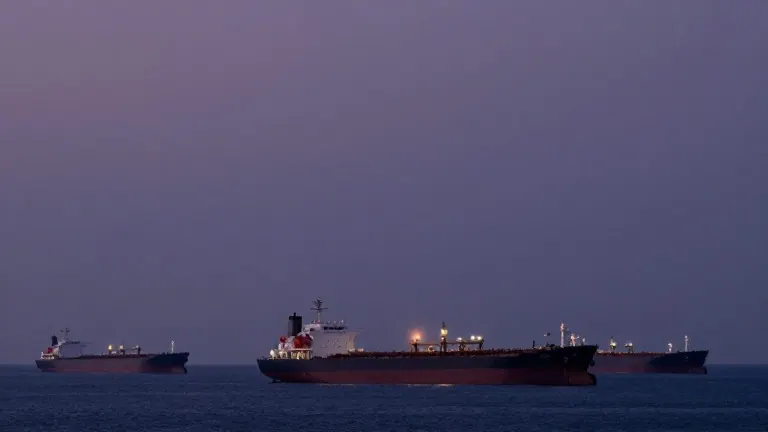
Two tankers were hit by projectiles in the Strait of Hormuz this week, signaling a sharp rise in maritime incidents as Iran asserts dominance over the critical oil route.
By Marina Weber ·
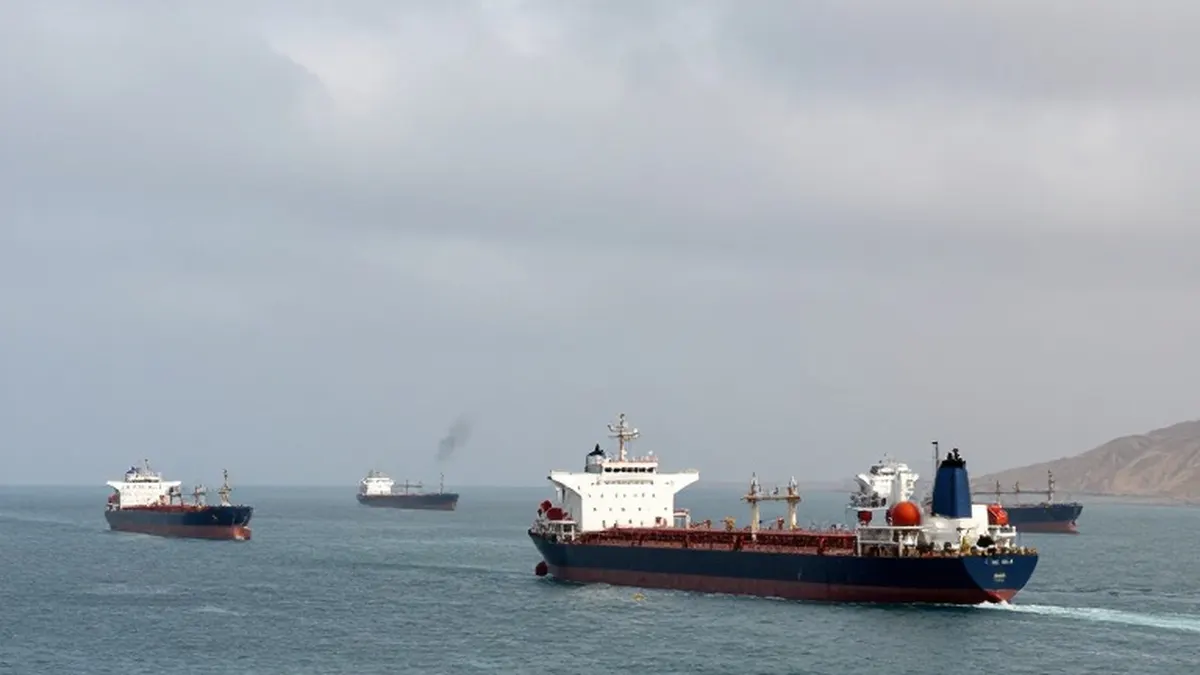
British maritime authorities have documented two separate incidents in which tankers were hit by unidentified projectiles within the Strait of Hormuz. These events occurred on Saturday near the coast of Oman, continuing a period of heightened tension as Iran works to tighten its grip on shipping through the strategic waterway.
The incidents took place against the backdrop of an ongoing war between Tehran, Washington, and Tel Aviv. The conflict began in late February when the United States and Israel launched attacks on Iran. Since then, the Iranian government has sought to increase its control over the strait, a channel that transported nearly one fifth of the world's crude oil supply prior to the outbreak of hostilities.
The United Kingdom Maritime Trade Operations center, which monitors threats to commercial vessels, provided specific details on the attacks. One tanker was struck at its rear section approximately 20 kilometers north of Khasab, a port town on Oman's northern coast. A second vessel was hit in its engine room about 31 kilometers east of the same location. While no casualties were reported, it remains unclear if the two incidents involved distinct vessels or if they are part of a broader pattern of engagement.
Iranian naval officials offered a slightly different account on Saturday, stating that an oil tanker caught fire after hitting a naval mine in a restricted area east of the strait. In a statement broadcast on state television, the navy claimed the vessel had ignored warnings and was traveling with its identification and navigation equipment turned off. Independent verification of this claim has not yet been established, leaving questions about whether the burning tanker was one of those reported by British authorities.
Al Jazeera correspondent Resul Serdar, reporting from Tehran, noted that incidents involving tankers have increased sharply over the past week. Citing statements from Iran's armed forces, Serdar indicated that roughly 25 incidents were reported since the previous Saturday, averaging about three per day. He described this trend as quite dramatic and suggested it is becoming a distinct pattern in the conflict.
Serdar explained that Iranian officials are asserting that the strait is under their direct control. According to this stance, any ship passing through the area must be in full coordination with Iranian authorities and follow specific routes and lanes determined by Tehran. If vessels fail to comply, Iran indicates they may be attacked or strike sea mines laid by the Islamic Revolutionary Guard Corps or other Iranian forces.
The correspondent added that Tehran appears to be deliberately escalating tensions to send a clear message. The logic, as he described it, is that if Iran cannot export its own oil, other nations should not be able to do so either. This strategy also serves to demonstrate that Iran remains in command of the strait, a narrow passage that connects the Gulf with international shipping routes.
In response to Iran's restrictions, the United States has implemented a blockade of Iranian ports and deployed naval vessels to escort tankers through the waterway. This confrontation has raised significant concerns regarding the security of a major route for global energy supplies. Commercial vessels now find themselves caught in the struggle between Washington and Tehran over access to the strait, highlighting the growing risks faced by the international shipping industry.