Russia dismisses NATO bid for Ukraine as peace talks stall
Russia rejects Ukraine's potential NATO membership as US allies prepare to discuss troop levels in Europe and Ukraine weighs a referendum on territorial concessions.
By Marina Weber ·
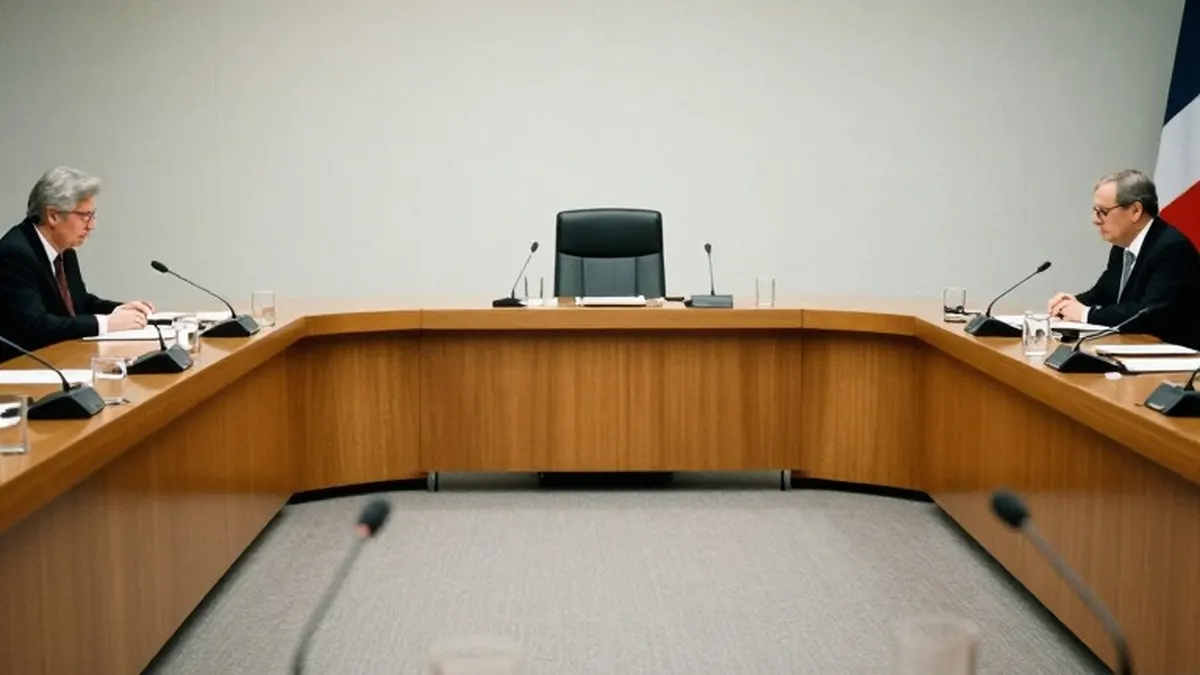
Russia has firmly rejected the possibility of Ukraine joining the North Atlantic Treaty Organization, a stance that complicates ongoing diplomatic efforts to end the conflict. According to the Interfax news agency, Deputy Foreign Minister Sergei Ryabkov conveyed this categorical refusal on Tuesday. He also noted that negotiators have not yet reached a consensus regarding the specific timing or location for the next round of peace talks between Moscow and Kyiv.
The debate over Ukraine's security future intensified after the United States raised the prospect of a territorial trade during recent discussions in Abu Dhabi. American officials suggested that Ukraine might withdraw from its eastern Donbas region in exchange for formal NATO membership. This proposal marks a significant shift in the diplomatic landscape, as it introduces the alliance question into the core of the territorial negotiations.
Ukrainian President Volodymyr Zelensky addressed the proposal on Saturday, maintaining his position that Ukraine should not surrender any territory without a strong counteroffer. He stated that he would be open to submitting the idea to a public referendum, provided Ukraine first secures a comprehensive security package. Zelensky emphasized that such a package must include robust security guarantees, a well-funded military, and sufficient funding for reconstruction efforts.
"The Americans raised a question: 'What if Ukraine joins NATO? Would Ukraine withdraw from Donbas?' This was the first time this had been raised," Zelensky told reporters, according to remarks released by his office. He added that this development signals NATO is back on the agenda, though he described the conversation as extremely difficult given the signals sent by Russian President Vladimir Putin.
Zelensky clarified that any security package would need to be agreed upon by the United States and other NATO allies before it could be put to a vote by the Ukrainian public. He stressed that no concrete proposal has been developed yet. Furthermore, he ruled out the formal recognition of Russian sovereignty over any occupied territories, warning that Putin cannot be trusted to honor such agreements.
Reports indicate that Zelensky has insisted on security guarantees modeled on NATO's Article 5 as a minimum requirement. This clause treats an attack on one member state as an attack on all, providing a collective defense mechanism that Ukraine views as essential for any lasting peace agreement.
In related developments, NATO allies are preparing to discuss Washington's review of its military presence in Europe. German Defense Minister Boris Pistorius announced that European counterparts will meet with Elbridge Colby, the Pentagon's policy chief, on Tuesday. The meeting aims to clarify the scope of potential US troop adjustments, with more details expected within weeks.
US Defense Secretary Pete Hegseth initiated this six-month review in June, hinting that the United States might withhold some NATO dues if allies do not meet their defense spending commitments. While he did not explicitly confirm cuts to the 80,000 US troops currently deployed in Europe, he highlighted the need for the continent to take on a larger role. Pistorius noted that while changes in troop levels are expected, the specific details remain uncertain.
Germany, which hosts the largest US military presence in Europe with approximately 35,000 troops, is closely monitoring the situation. European military sources have speculated that Washington might relocate a brigade of about 5,000 troops from Germany to either Asia or Poland. The final results of the review are scheduled to be presented before Christmas, with the goal of preventing dangerous gaps in NATO's European defenses.
Finland's President Alexander Stubb also weighed in on the diplomatic process on Tuesday. He emphasized the importance of establishing a clear timetable and agenda for the negotiations between Russia and Ukraine, hoping to provide structure to the complex talks currently underway.