Russia labels Poland Russophobic after missile incursion protest
The Russian ambassador to Poland rejected accusations regarding a recent airspace violation, describing the diplomatic response as biased and overly aggressive.
By Vanessa Lopez ·
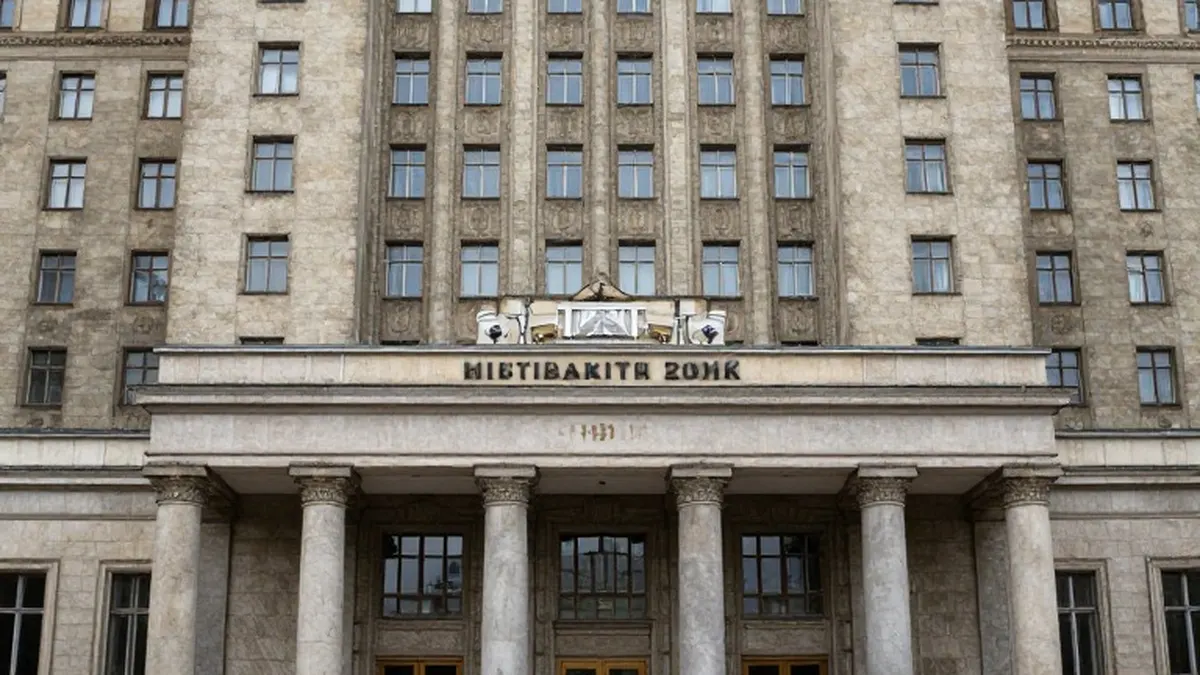
The Russian embassy in Poland has dismissed Warsaw's recent accusations as unfounded, expressing strong dissatisfaction with what it termed Russophobic rhetoric following Russian missiles entering Polish airspace. The diplomatic dispute escalated after a formal protest was delivered by the Polish government regarding the incident.
On Tuesday, 24 November, Georgy Mikhno, the ambassador of the Russian Federation to the Republic of Poland, arrived at the Polish Foreign Ministry. He was summoned to receive a note of protest concerning the alleged involvement of Russian forces in the airspace violation that occurred on 20 November 2026.
According to a statement released on Telegram by the Russian embassy, Mikhno rejected the accusations in the strongest possible terms. The diplomat described the Polish claims as groundless, unsubstantiated, and lacking evidence. He further criticized the practice of placing blame on Russia based on politically motivated assumptions.
The embassy statement highlighted the ambassador's objection to the public discourse surrounding the event. It described the rhetoric as overtly Russophobic in tone, arguing that its purpose was to fuel anti-Russian sentiment in Poland and deliberately worsen relations between the two nations.
The incident in question involved three Russian missiles that violated Polish airspace during a large-scale attack on Ukraine on Friday, 20 November. The missiles were identified as Kh-101 cruise missiles based on the debris recovered.
Debris from the missiles was discovered in three distinct locations within Poland. These sites included Nowy Lipowiec in the Lublin Voivodeship, as well as Rudnik nad Sanem and Mołodycz in the Subcarpathian Voivodeship. The presence of wreckage in these areas prompted the formal diplomatic response from Warsaw.
Following the meeting with the Russian ambassador, Maciej Wewiór, the spokesperson for the Polish Foreign Ministry, addressed a press conference. He confirmed that Mikhno had received a diplomatic note that was very strongly worded.
Wewiór emphasized the significance of the specific language used in the document. He noted that in diplomatic communications, every word and signal carries weight, which is why he wanted to stress the intensity of the note delivered to the ambassador.
The exchange marks a significant moment in recent Russian-Polish diplomatic relations, with both sides maintaining firm stances on the interpretation of the airspace incursion and the subsequent public responses.