Libyan Commander Haftar Arrives in Ankara Amid Diplomatic Shifts
Eastern Libyan leader Khalifa Haftar visits Turkey for the first time, arriving days after a Ukrainian strike on a Russian warship in Benghazi.
By Amir Navarro ·
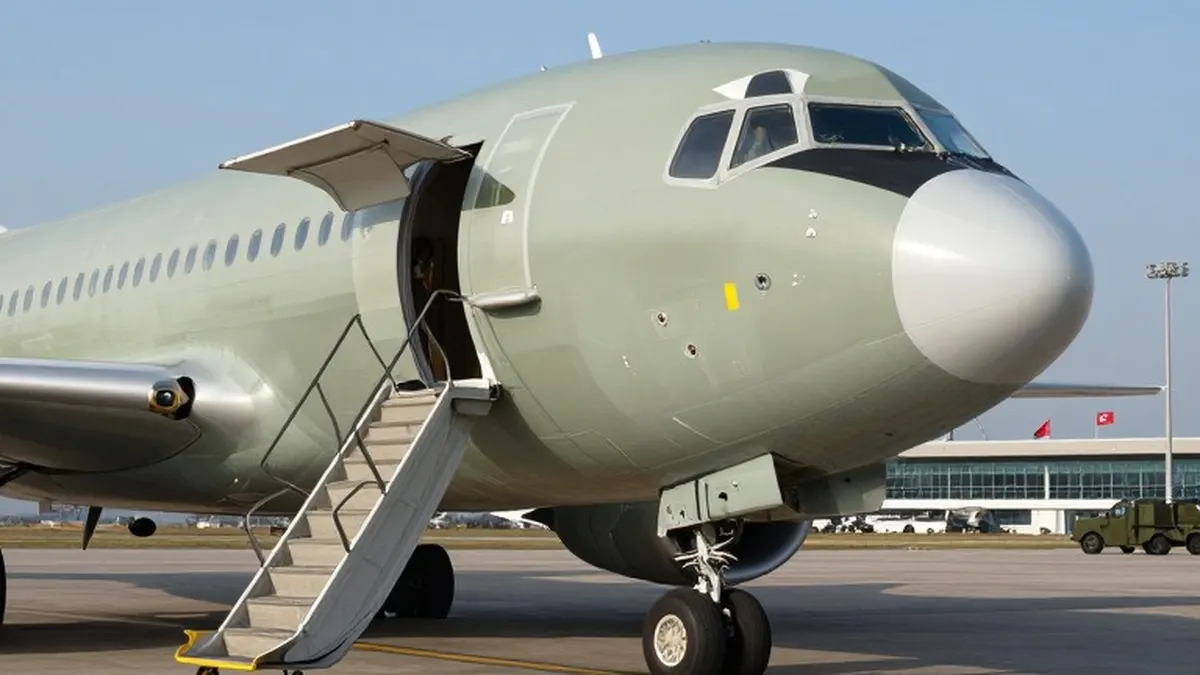
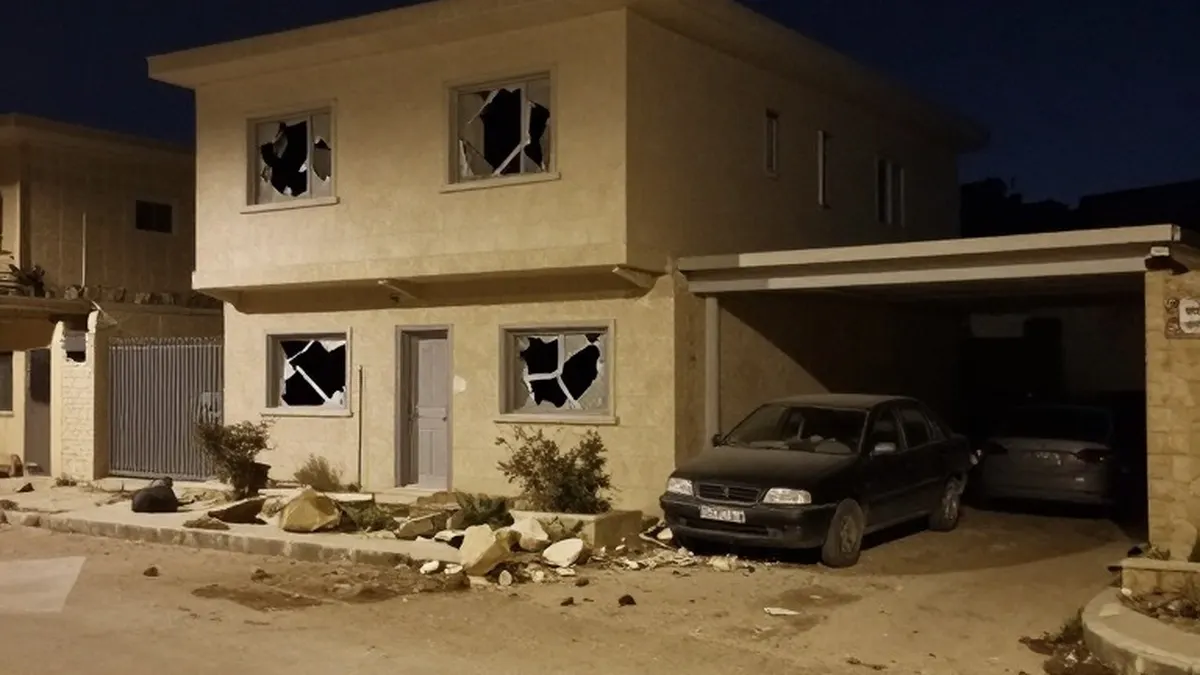
Eastern Libyan military commander Khalifa Haftar arrived in the Turkish capital of Ankara on Tuesday, marking his first known visit to the country. He was accompanied by his sons, Khaled and Belqasim, during the trip. The arrival took place just days after a long-range Ukrainian attack struck a Russian vessel docked in Benghazi, a city under the control of Haftar’s forces.
Photos released by the General Command of the Libyan National Army showed Haftar being greeted at the airport by Turkish Chief of General Staff General Selcuk Bayraktaroglu. Although no official media statement was issued regarding the specifics of their meeting, Reuters reported that Haftar is scheduled to meet with Turkish President Recep Tayyip Erdogan during his stay.
The two sons accompanying their father hold significant roles within the eastern administration. Khaled serves as the chief of staff for the Libyan National Army, while Belqasim heads the Development and Reconstruction Fund in Libya. Their presence highlights the family’s central role in the eastern power structure. Notably, another of Haftar’s sons, Saddam, who serves as the deputy commander and is considered the heir apparent, was absent from this specific meeting.
Saddam Haftar was in Doha at the time for a separate engagement with Qatar’s minister of state for defence. His absence from Ankara has drawn attention, given his reported ambitions for the Libyan presidency and the backing he has received from Washington. The timing of the visit is also sensitive, occurring two days after the Ukrainian strike in Benghazi killed at least ten crew members of Libyan and Russian origin, according to local authorities.
The attacked warship had been docked in Benghazi to refuel and resupply under an agreement with the eastern authorities. The incident prompted a reaction from Libya’s internationally recognized government in Tripoli. On Monday, they condemned the attack, stating that neither Russia nor Ukraine had the right to conduct military operations on Libyan territory or in its waters.
Turkish military involvement in Libya predates the recent Ukrainian attack. Ankara provided crucial support to the then-Tripoli government to repel the offensive launched by Haftar’s forces between 2019 and 2020. Since a United Nations-brokered ceasefire ended major fighting in 2020, Turkey has worked to build ties with Haftar’s camp while simultaneously maintaining its alliance with Tripoli. This dual-track approach reflects Ankara’s strategic interest in the region.
High-level diplomatic activity has intensified recently. On Saturday, Turkish Foreign Minister Hakan Fidan and intelligence chief Ibrahim Kalin met with Abdul Hamid Dbeibah, the prime minister of Libya’s Tripoli-based Government of National Unity, in Istanbul. Following the meeting, Fidan revealed in an interview with a Turkish television station that President Erdogan plans to visit Libya in December. This would mark the first such visit by a Turkish president in fifteen years.
Haftar’s visit to Ankara follows closely on the heels of a significant political move by the eastern House of Representatives. Weeks ago, they approved a 2019 maritime deal with Turkey, reversing years of opposition. Analysts view this approval as an overture toward Ankara, particularly as power-sharing talks in Libya have stalled. The deal concerns the delimitation of maritime boundaries in the Mediterranean Sea.
Jalel Harchaoui, a Libya analyst, noted that the approval of the maritime memorandum was an effort to secure Ankara’s backing for the council chairmanship position, which Haftar is pushing for. He described the Turkish approach as more pragmatic and realistic than the proposal currently being brokered by the United States. Harchaoui emphasized that Ankara takes the opposition from powerful factions in Tripoli and Misrata seriously, as forcing the appointment of Saddam Haftar could destabilize the country.
The United States, through senior adviser Massad Boulos, is currently trying to broker a power-sharing proposal that would make Saddam Haftar the chairman of the Tripoli-based Presidency Council. However, Harchaoui suggested that by inviting Khalifa Haftar to Ankara, Erdogan is positioning himself to show progress in bringing Libya’s rivals together. As he prepares for his December trip, the Turkish president may seek to facilitate a meeting between Dbeibah and Khalifa Haftar, carving out a diplomatic format calibrated to Turkey’s own risk appetite and independent of the American-led efforts.