Renovated Jacob's Well in Turkey Reopens to Visitors
The biblical Jacob's Well in Haran, Turkey, has reopened after renovations, attracting global attention and reaffirming its status as a significant site for Jewish pilgrims and tourists.
By Amir Navarro ·
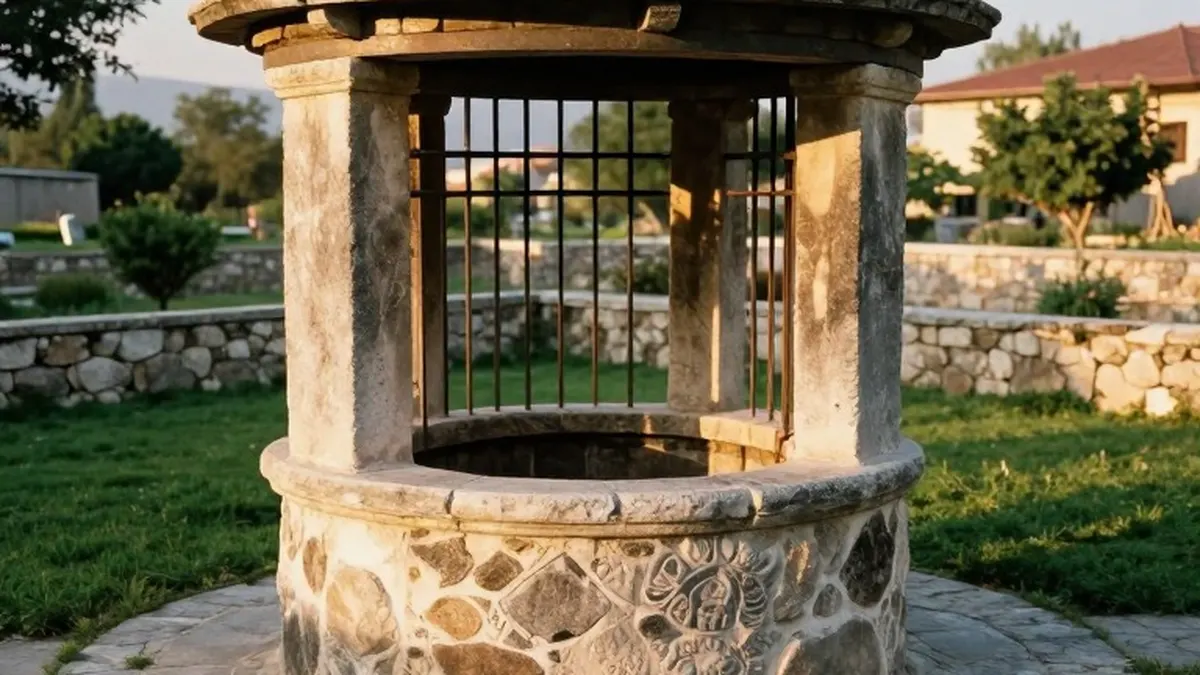
A historic site in southeastern Turkey, identified as the biblical Jacob's Well, has recently reopened to the public following significant renovation efforts. Located in the town of Haran, the site is a major destination for Jewish travelers and holds deep significance in Torah tradition. It is the location where the patriarch Jacob first met his future wife, Rachel, a narrative described in the Book of Genesis.
The Turkish Tourism Ministry and the local Haran municipality collaborated on the restoration project. The authorities organized a grand reopening event that invited travel writers from around the world to witness the changes. The well and its surrounding stone structure are now situated within a well-maintained public garden, designed to make the site more accessible and appealing to visitors.
Mahmut Özyavuz, the mayor of Haran, hosted the delegation during the reopening. He shared a recent anecdote involving a local family who brought a sick child to the site. The mayor described going down into the well with the boy to pour water over him from head to toe. According to the mayor, the family returned a week later to express their gratitude, reporting that their son had been completely healed.
Local residents have long held the water of this well in high regard, believing it possesses healing properties. They refer to it in Turkish as the well that cures illnesses. This reputation has helped the site survive for centuries, partly because Muslims also consider the location sacred. The physical structure has been modified over time to preserve the original well, which now lies largely beneath the surface.
The current structure features a stone enclosure with a roof that has an opening covered by iron bars. A flight of stone steps descends from this roof to the water below. Historically, a large stone covered the mouth of the well, requiring several strong men to roll it aside to water livestock, a detail consistent with the biblical account of Jacob rolling the stone for Rachel's flock.
The site has a rich history in Jewish tradition, particularly regarding the holiday of Tu B'Av, the day of love. For centuries, Jews from nearby cities such as Urfa, Izmir, Istanbul, and northern Iraq would gather at the well for picnics. These gatherings provided a social opportunity for young men and women to meet, allowing mothers to discreetly look for potential marriage matches for their children.
This custom gradually faded as the Jewish community in Haran diminished after many families made aliyah to Israel. However, in recent years, Rabbi Mendy Chitrik, a Chabad emissary based in Istanbul, has made efforts to revive this tradition. The well is also mentioned in historical responsa by Rabbi Chaim Palaggi, chief rabbi of Izmir, who noted its use as a spiritual remedy for those seeking to find a spouse.
Surrounding the main structure are other wells at ground level, sealed with round stones that resemble large corks. Shepherds still visit the site to water their flocks, maintaining a practice described in the Torah. Nearby, at the Abraham Monastery, visitors can see a stone that many believe is the original cover of Jacob's Well.
Outside the compound, local cafés and souvenir shops offer items such as clay jugs and wooden carvings. These artifacts serve as tangible connections to the biblical stories of Jacob and his wives. The site offers a unique experience for those studying the Torah, allowing them to read the relevant verses in the exact location of the ancient narrative.
The reopening highlights the potential for the site to become a key stop for tourists visiting Turkey. While physically modest compared to landmarks like the Colosseum or the Eiffel Tower, the well carries immense spiritual weight for many. It represents the beginning of one of the Bible's first love stories, a moment that has resonated with visitors for thousands of years.