Kurdistan Region fears loss of autonomy as Baghdad consolidates power
The Kurdistan Regional Government is concerned that Baghdad is using security operations to weaken its constitutional authority, prompting calls for diplomatic resolution.
By Amir Navarro ·
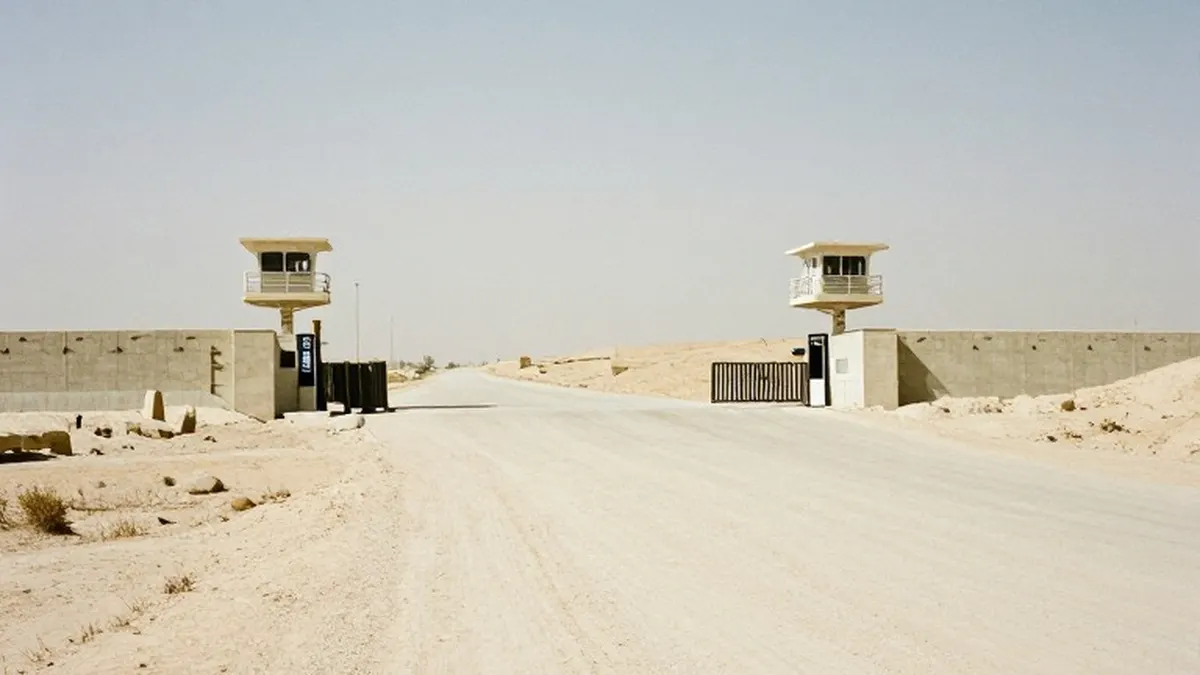
The autonomous Kurdistan Region in northern Iraq is expressing growing alarm over what it perceives as a systematic effort by Baghdad to roll back its autonomy. Although the Kurdistan Regional Government has been a stable and constitutionally protected entity for the past decade, recent actions by the central government have raised concerns. The KRG served as a close partner to the United States and other nations during the war against ISIS, but current political dynamics suggest a shift in the balance of power.
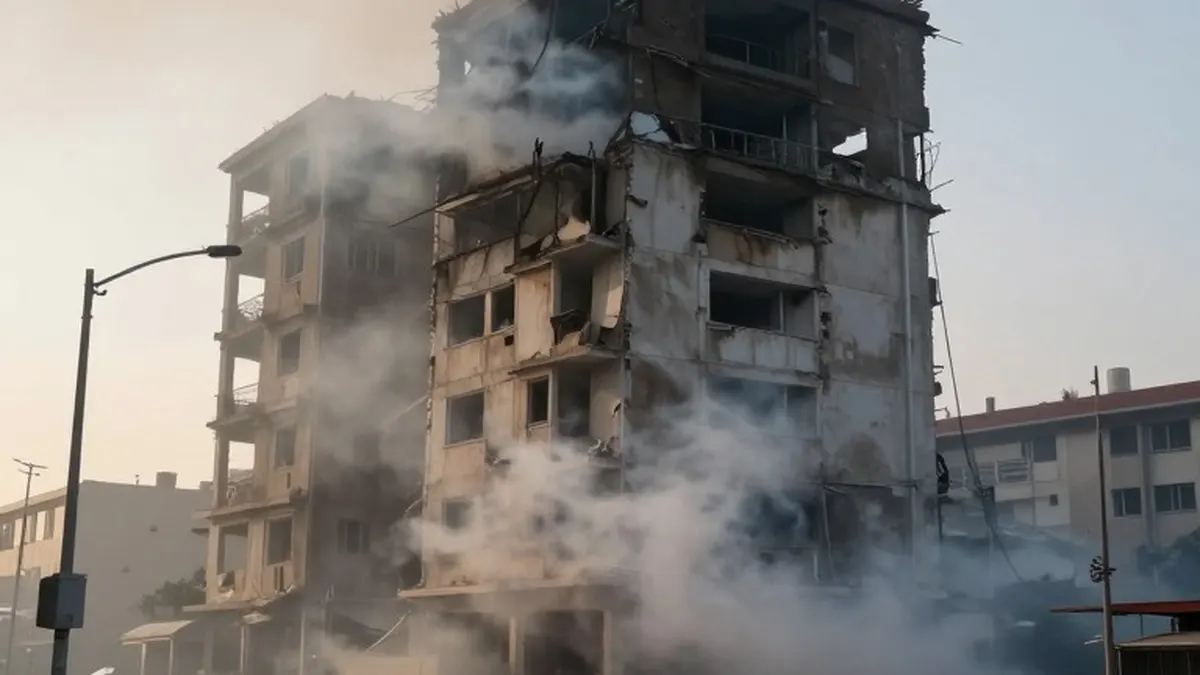
Iraqi Prime Minister Ali al Zaidi, who enjoys the backing of the Trump administration, has been actively consolidating federal authority. His recent moves include securing a deal for the Yazidi armed group YBS to disarm and integrate in the Sinjar area. Additionally, Zaidi negotiated a withdrawal for Turkey from a base in Bashiqa, east of Mosul. In the past week, federal forces moved into Jurf al-Sakhar, south of Baghdad, to displace the Iranian-backed Kataib Hezbollah militia from the site.
The operation in Jurf al-Sakhar was justified by the government as an investigation into oil smuggling. The area, previously home to Sunni Arabs, was controlled by Iranian-backed militias during the war on ISIS. Kataib Hezbollah had been refining and smuggling oil there, while also using the site for an illegal prison. Elizabeth Tsurkov, a Princeton researcher kidnapped in Iraq in 2023 and freed in 2025, stated in a recent interview that she was held at this location. The successful takeover of Jurf al-Sakhar has empowered Baghdad to address other long-standing issues, including border crossings and energy operations within the Kurdistan Region.
Baghdad is now looking to assert control over border crossings with Turkey and Iran, as well as investigating oil smuggling and energy companies in the region. By citing fuel smuggling, the federal government could deploy police or army units into the KRG. There is also an apparent desire to reclaim areas that Baghdad believes should be under federal jurisdiction. These moves have led some Kurdish observers to fear the potential for conflict.
KRG leadership, including Nechirvan and Masrour Barzani of the KDP and Bafel Talibani of the PUK, is keen to avoid open military confrontation. They are well aware of the 2017 events when Baghdad sent tanks into Kirkuk and pushed the Peshmerga out of the area. Baghdad currently holds the upper hand due to its air force, tanks, and strong ties with Iran and other regional powers. Furthermore, the apparent support of Tom Barrack, the US Envoy to Iraq and Syria, gives Baghdad the confidence to demand compromises from Erbil.
KRG President Nechirvan Barzani responded to federal statements with deep concern, rejecting any military rhetoric in dealings with the region. He emphasized that the resolution of outstanding issues must be based on the Iraqi constitution and a commitment to partnership. He noted that while the KRG supports the protection of national resources, relations between Erbil and Baghdad must respect the constitutional status of the Kurdistan Region.
Finance Minister Awat Sheikh Janab described the current situation as an existential threat to the region. Meanwhile, Stephane Dujarric, the UN Secretary-General spokesperson, advised that the KRG should resolve issues through existing constitutional structures. He added that the Secretary-General's good offices remain open if both parties request mediation.
Masoud Barzani, the longtime leader of the KDP, warned of troubling developments aimed at undermining federalism. He stated that recent actions disregard the rights of the Kurdish people and advance reckless proposals. Bafel Talabani echoed this sentiment, asserting that wisdom and the rule of law must take precedence, with the constitution serving as the primary framework for dispute resolution.
Various experts have analyzed the situation on social media. Lawk Ghafuri predicted that Baghdad and Erbil will eventually reach a deal, possibly through US mediation or by testing the limits of federal leverage. Ranj Alaaldin argued that Baghdad is using symbolic measures against Iranian-aligned militias to placate Washington while coercing Kurdistan. Scharo Bajalan suggested that the KRG's lack of strategic vision and internal disunity have contributed to the shifting balance of power.
Mohammed A. Salih viewed the recent decisions as part of a longstanding effort by Iran-backed Shia factions to recentralize power. Nadine Maenza highlighted that weakening Kurdish autonomy could give Iran more leverage in Iraq, noting that the region has historically protected religious freedom and provided stability.