Iran shoots down US drone as diplomatic efforts remain stalled
Iranian forces have downed another US drone over the Strait of Hormuz as diplomatic talks stall and new US sanctions target Iranian oil officials.
By Vanessa Lopez ·
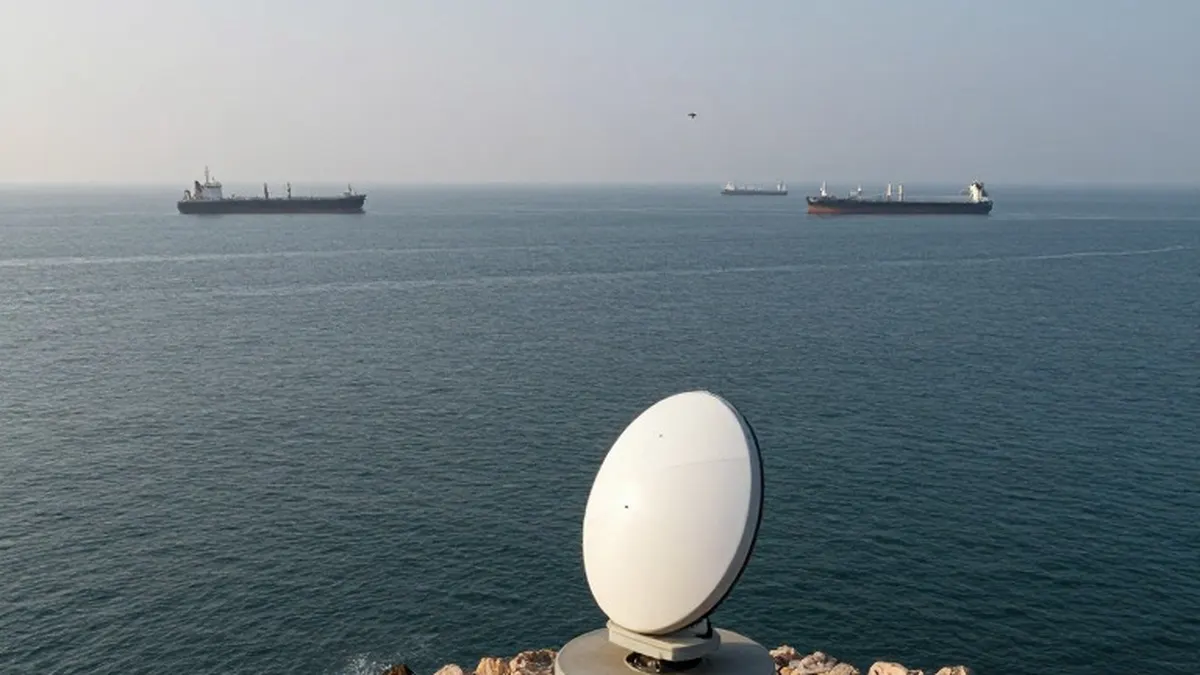
The Islamic Revolutionary Guard Corps announced on Saturday that a new air defense system successfully intercepted and destroyed a United States MQ-9 drone over the Strait of Hormuz. According to the Iranian state broadcaster IRIB, this incident marks the 58th such drone brought down by Iranian forces since the conflict began.
The latest engagement occurs against a backdrop of intensifying economic pressure and direct military exchanges between the two nations. In recent days, the US and Iran have engaged in tit-for-tat strikes, while Iranian attacks on vessels transiting the Strait of Hormuz have increased. This vital waterway is critical to global energy markets, carrying one-fifth of the world's oil and gas during peacetime periods.
The war, which was launched by the US and Israel on February 28, has resulted in thousands of casualties and severely disrupted shipping routes. These disruptions have pushed global energy prices higher and spread the conflict's impact to other countries across the region. Although a memorandum of understanding was signed in June, it was never fully implemented due to disagreements over navigation security. Attacks resumed periodically starting in July.
In August, The Washington Post reported that the US had lost 45 MQ-9 drones during combat operations in Iran. This loss represented about 25 percent of the fleet at a cost exceeding $1.3 billion. As an agreement to end the war remains elusive, Iranian Foreign Minister Abbas Araghchi outlined his country's positions on negotiations with the US on Friday.
In an interview with state media, Araghchi stated that the seven conditions Iran put forward in a September proposal must be implemented for the Strait of Hormuz to reopen. These conditions include ending the war, lifting sanctions, and removing the naval blockade on Iran's southern ports. The foreign minister noted that Iran is prepared to negotiate the implementation timeline, describing it as flexible, provided the US takes necessary confidence-building measures.
Araghchi also ruled out the transfer of Iran's stockpile of 60 percent enriched uranium abroad, though he suggested a fair solution could be reached through mediator proposals. He described the current state of the conflict as undesirable but insisted that Iran could not accept an agreement that would hand victory to the other side. The situation has been characterized by a lack of active warfare but also a lack of formal peace.
At a Friday news conference at the White House, US President Donald Trump said that Tehran wants to make a deal but not one that is acceptable to him. He criticized past negotiations, stating that the US wants a real deal rather than a fake one that has been attempted for 51 years. Trump had previously suggested that a deal with Iran on ending the war was unnecessary.
US Vice President JD Vance, who had blamed the war for Republican losses in the midterm elections, declined to say if he would have authorized strikes on Iran to prevent nuclear development. Vance stated that the decision to attack in February was Trump's call and that his role is to support the president. Meanwhile, the US Treasury announced new sanctions on four Iranians described as oil trustees who collect money from illicit international oil sales to help Iran evade sanctions and the naval blockade.
The Treasury stated that these individuals, including Mohammad Javad Bavand and Majid Taj, have often kept oil revenues for personal gain. The sanctions place them on the Specially Designated Nationals list, freezing assets under US jurisdiction and prohibiting dollar transactions. Other sanctioned individuals include Mohammad Hossein Servati and Mojtaba Arabnejad, both of whom have roles in companies or families linked to Iranian oil sales and the Mahan Air airline.
In the US Congress, Democratic Representatives Yassamin Ansari and Ro Khanna have called for using an upcoming government funding bill to end spending on offensive military operations against Iran. They urged legislators to reject funding packages that continue to pay for the war, noting the looming deadline of December 11 to adopt a budget. Failing to pass the bill by that date could trigger a government shutdown, a risk that has made some Democrats cautious about setting strict red lines on the conflict.