Huawei Trial: U.S. Jury Convicts Tech Giant on Fraud and Theft Charges
A federal jury in New York found Huawei guilty of conspiracy to steal trade secrets and bank fraud, but acquitted it of the overarching racketeering charge.
By Amir Navarro ·
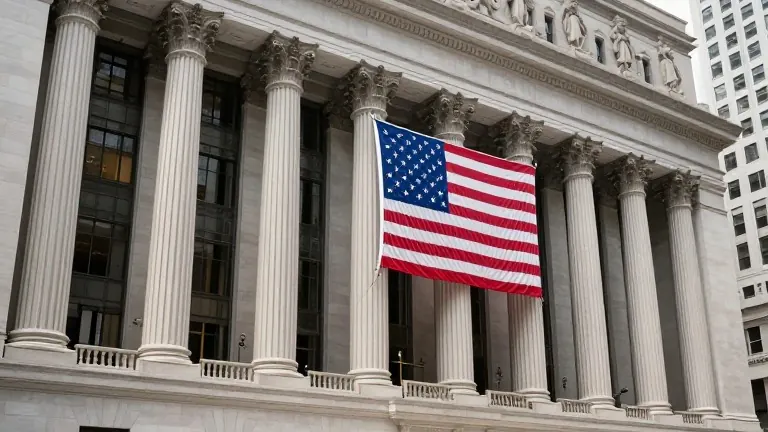
A federal jury in New York City convicted Huawei Technologies on Tuesday of conspiracy to steal trade secrets and bank fraud. The verdict marks the conclusion of a multi-year legal battle between the Chinese telecommunications giant and U.S. prosecutors who alleged the company systematically stole intellectual property from American rivals.
Jurors, however, acquitted Huawei of the most severe count: conspiracy to engage in a criminal racketeering enterprise. That charge, typically reserved for organized crime syndicates, had framed the government's theory that Huawei operated as a unified criminal entity. The defense argued the jury's rejection of this count proved the company did not act as a monolithic conspirator.
Prosecutors built their case on specific episodes of alleged theft. They presented evidence that Huawei sold internet routers containing source code copied from a competitor. The indictment also detailed an incident where a Huawei employee photographed the internal circuits of a rival device at a Chicago trade show and another where a worker removed a robotic arm from a competitor's laboratory for measurement.
The companies named as victims in court records include Cisco Systems, Motorola Solutions, T-Mobile, Quintel USA, and Fujitsu. Prosecutor Meredith Arfa told the jury that the tone for these actions was set by Huawei's top leadership. She argued that executives engaged in criminal conduct, including lying to Congress and banks and violating U.S. sanctions on Iran and North Korea.
Defense attorney Brian Heberlig countered that the government relied on isolated mistakes by a few of Huawei's more than 200,000 employees to create a false narrative of a grand conspiracy. Heberlig stated outside the courtroom that the acquittal on the racketeering count vindicated the company. He said the verdict repudiated the central government narrative in the case.
Heberlig noted that much of the material prosecutors claimed was stolen had already been made public. He said Huawei paid billions of dollars in licensing fees, with 75 percent of that money going to U.S. companies. The defense also pointed to a compliance culture established after Huawei discovered lines of Cisco source code in its software more than two decades ago, which led to a recall of routers sold in the U.S.
The criminal case began in early 2019 when the U.S. announced charges against Huawei. The indictment was later expanded to include accusations of doing business with sanctioned nations and making false statements to banks and officials. Chinese officials previously criticized the legal action as economic bullying and an improper use of national security concerns to target Chinese firms.
Huawei’s chief financial officer, Meng Wanzhou, was originally charged in the case for allegedly misleading HSBC about the company's business in Iran. Meng, the daughter of Huawei's founder, was arrested in Canada in 2018. She returned to China in 2021 as part of a prisoner swap that freed two Canadians held by Beijing, and the U.S. subsequently dropped its case against her.
The trial took place in New York while President Donald Trump, China's Xi Jinping, and Russia's Vladimir Putin held a summit in Shenzhen, China. Huawei has been barred from selling equipment to U.S. carriers for years due to security concerns and has been blacklisted by allies including Canada and Britain. Despite these restrictions, the company continues to expand its business globally and has moved into chipmaking to meet demand fueled by artificial intelligence.
More Business · Scam Watch · Report a business · Got a Story?