Forest Service archive shows federal officials cast 1982 Oregon Bigfoot tracks as a hoax
Decades-old files from Montana and Oregon detail forensic examinations of tracks and resident accounts of a bipedal figure.
By Marina Weber ·
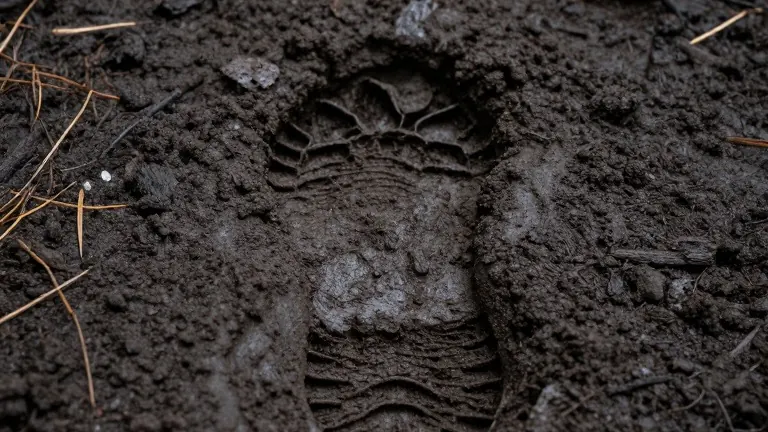
The US Forest Service uploaded decades of internal files to a public archive, revealing how federal officials investigated suspected Bigfoot activity in Montana and Oregon. The documents include forensic analyses of footprints and resident testimonies that span several years.
A 1982 report from the Umatilla National Forest in northeast Oregon forms the core of the release. Wildlife biologist Rodney Johnson examined three sets of tracks during that period. His team created plaster casts of two prints to preserve the physical evidence for further study.
Johnson concluded the tracks were not from Sasquatch, citing eight specific flaws in the evidence. He noted the stride did not change with the slope and the prints did not reach the bottom of the mud. The small toes lacked the distinct pads expected from a large primate.
Despite the negative findings, Johnson wrote that the tracks appeared too natural to be a simple fake. He suggested a cast of a real foot might have been used, though other creases should have shown. A subsequent forest service memo agreed, labeling the tracks a clever hoax attempt.
The archive also holds a 2003 article from the Clark Fork Valley Press in Montana. The piece described hundreds of strange footprints found by local residents. One woman quoted in the report said she did not believe in Bigfoot until she saw the tracks with her own eyes.
A 1980 testimonial from Leo Kinney details an encounter while he and three companions retrieved an elk carcass. The group observed a creature walking on its hind legs without a direct visual sighting. They recorded tracks, a strong odor, and grunting sounds, noting chills as they considered the possibility the creature had dragged the animal away.
These US records arrive amid similar reports in Canada. Residents in rural Ontario described seeing two massive figures, one large and one smaller with cinnamon coloring, scavenging through garbage in June.
The Bigfoot Mapping Project currently logs more than 16,000 entries regarding the cryptid. Carleton University philosophy professor Josh Redstone has described such unverified phenomena as a source of excitement for believers. The Forest Service files provide a formal record of how these reports have been handled, ranging from detailed forensic analysis to journalistic inquiries.