Etihad Flight Diverted After Fuel Issues Amid Regional Tensions
An Etihad flight from Abu Dhabi to Tel Aviv was forced to return due to fuel and crew regulation issues, while diplomatic and legal developments continue in the Middle East and US.
By Amir Navarro ·
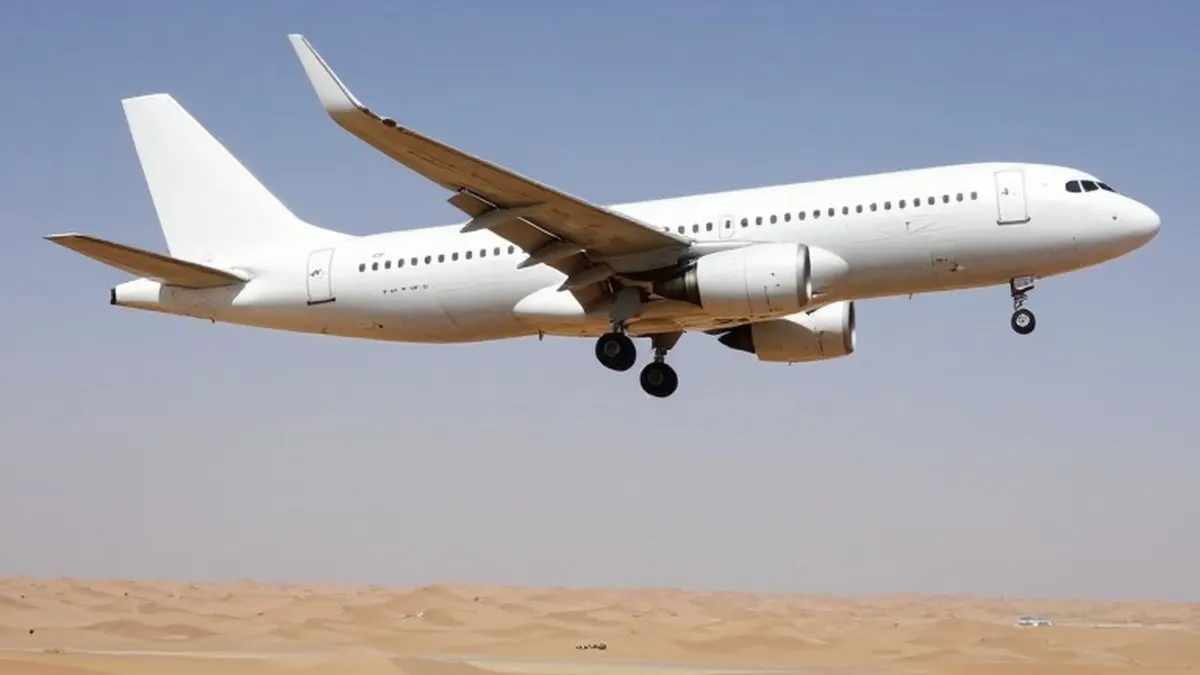
An Etihad Airways flight traveling from Abu Dhabi to Tel Aviv was forced to return to its point of origin after making two unsuccessful attempts to reach its destination. The incident, which involved flight EY599, occurred on Tuesday, November 24, 2026. Flight tracking data indicates that the aircraft attempted to head west twice before turning around. The first attempt was over Saudi Arabia, while the second was directed toward Bahrain.
In a statement cited by the Ynet news site, Etihad explained that the aircraft had to alter its flight path over Saudi Arabia. The airline noted that the fuel remaining on board was insufficient to complete the journey via the alternative route. Furthermore, continuing the flight to Tel Aviv would have caused the crew to exceed the duty and rest time limitations established by aviation regulations. Consequently, the decision was made to return the plane to Zayed International Airport in Abu Dhabi. The goal was either to refuel the aircraft or replace it with a larger one, change the flight crew, and depart again for Tel Aviv.
The diversion took place against a backdrop of heightened regional tensions. Both Saudi Arabia and Bahrain have been targeted by Iranian attacks in recent weeks. Additionally, the Saudi-led coalition in Yemen has issued an evacuation warning for Hodeida port, signaling a potential strike on the area. Hodeidah serves as the primary port for bringing food and other supplies into the northern parts of Yemen controlled by the Houthi armed forces.
Yemen’s Houthi forces have responded to these developments by stating that if Saudi Arabia carries out threats to attack Hodeida port, Jeddah port and all Saudi ports on the Red Sea coast will be targeted. In a public statement, the group urged employees, workers, and people living near the ports to evacuate immediately. They also called on shipping companies to withdraw their vessels from the area.
Meanwhile, in Washington, US special envoy Jared Kushner spoke with Israeli Prime Minister Benjamin Netanyahu regarding the humanitarian situation in Gaza. According to an Israeli official speaking to Hebrew media, the two leaders agreed to continue working together on Gaza-related issues. This phone call came one day after an interview was published in which Kushner warned that Israel is trending toward becoming a global pariah if it does not change its approach to the conflict.
Kushner is the architect of the Board of Peace, a US-controlled body tasked with overseeing the fragile truce in Gaza. In recent days, this body has intensified its rhetoric against Israel, accusing Netanyahu’s government of blocking the board from implementing its plan to disarm Hamas. Kushner has also served as a top US negotiator on issues related to Iran.
In separate legal news, a federal jury in Brooklyn has convicted Chinese telecommunications equipment maker Huawei in a sprawling US criminal case. The jury found the company guilty on 10 of the 12 criminal counts it faced. The charges included deceiving banks about its business in Iran and stealing trade secrets from US companies. However, the jury found Huawei not guilty of racketeering conspiracy, a charge that alleged the company had acted as a criminal enterprise.
In a statement, Huawei said that the charges on which it was convicted lack legal merit. The company stated that it will take all necessary legal actions to defend its rights and interests. US authorities had targeted Huawei for years, arguing that the company posed national security risks. The criminal case began in 2018, and the following year, the US government placed Huawei on a trade blacklist that restricted its access to US technology.
Experts have noted that the case has not undermined Huawei’s business, as the company has diversified and emerged as a key player in China’s push for artificial intelligence. The trial lasted more than two months, during which prosecutors called more than 60 witnesses and the defense called 15. Huawei and three affiliates faced 12 charges, including bank fraud, wire fraud, sanctions violations, and conspiring to steal trade secrets and obstruct justice.