Emirati diplomat positions herself as UN bridge builder
Lana Nusseibeh argues her diplomatic experience and background make her the ideal candidate to lead the United Nations through a period of generational change.
By Marina Weber ·
Lana Nusseibeh, the Emirati diplomat vying for the position of the next United Nations Secretary General, has described herself as a bridge builder capable of driving positive change during a critical period for the organization. Speaking to AFP, she emphasized her conviction that she is the right person to lead the global body at this time.
Nusseibeh emerged as a leading candidate after a stalemate in the selection process. In a forthcoming vote at the UN Security Council to determine the successor to Antonio Guterres, she stated that while it is not simple to campaign as an Arab woman, her motivation stems from a deep belief in the institution rather than her demographic identity.
If elected, she would become the first woman to head the United Nations. She would also be the second Arab to hold the post, following the late Egyptian diplomat Boutros Boutros-Ghali. To focus on her campaign, she has stepped down from her roles as state minister at the UAE foreign ministry and as the country’s envoy to the UN and the European Union.
Her diplomatic career spans over a decade, including a tenure as the UAE’s permanent representative to the UN from 2013 to 2024, where she was the first woman to serve in that capacity. Nusseibeh noted that her family has historically held the keys to the Church of the Holy Sepulchre in Jerusalem, a responsibility entrusted by the Christian community to a Muslim family. She believes this heritage instills in her the view that religion and identity should unite people rather than divide them.
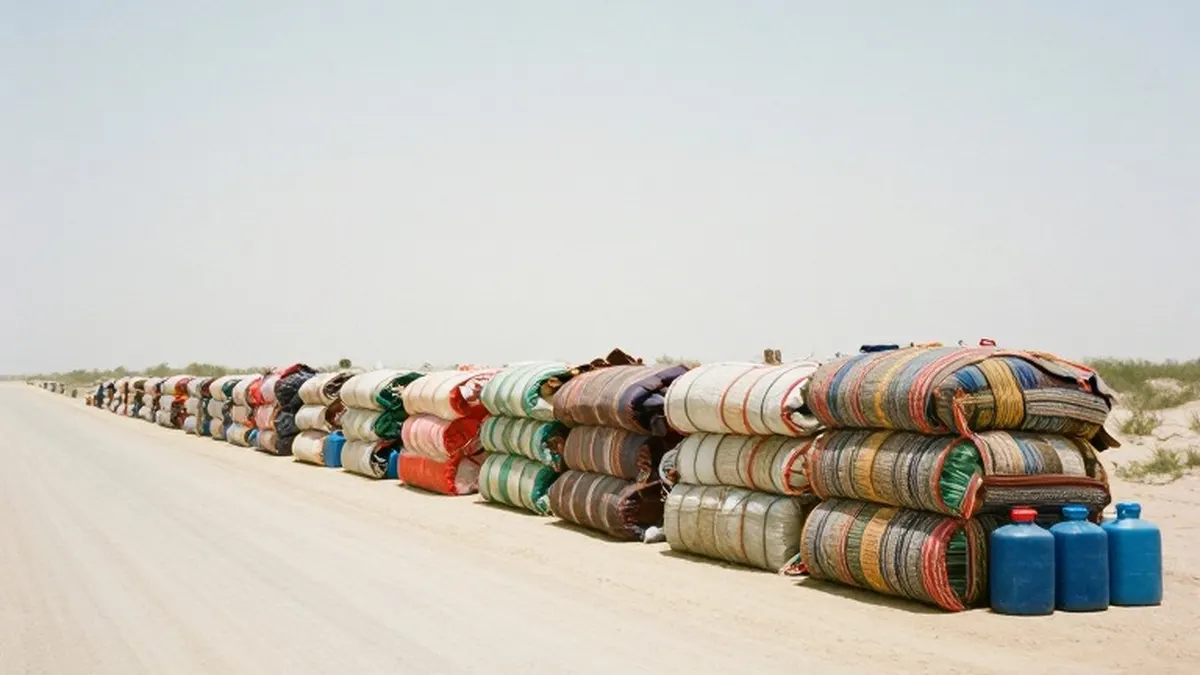
She cited a specific example of her mediation efforts following the Hamas attack on Israel in October 2023. In November of that year, she organized a visit for Security Council ambassadors to the Rafah crossing point between Egypt and Gaza. There, they observed warehouses containing medical supplies and maternity kits that had been unable to enter the territory. The experience helped facilitate the passage of two UN resolutions, one of which established a mechanism to accelerate aid delivery.
Nusseibeh described the current moment as one of generational change and argued that the UN must avoid managed decline. She outlined a plan to identify key conflicts for immediate action within her first 100 days, supported by a strengthened leadership team and a new mediation council. She stressed that reforming the organization requires both political insight and the decisiveness to make quick decisions.
Her candidacy has faced scrutiny from rights groups, who point to allegations that the UAE has supported Sudanese paramilitaries in the ongoing conflict with the regular army. Abu Dhabi has denied these claims. Nusseibeh responded by stating that she is fully independent and has taken a leave of absence from her government to ensure impartiality.
She expressed gratitude for the support of 25 women’s organizations in Afghan civil society, with whom she has worked on previous resolutions. She stated that these women represent the type of people she aims to serve. Reflecting on the broader impact of conflict, she noted that it is often women and children who suffer the most while men make the decisions to go to war.
The race for the UN Secretary General remains a focal point of international diplomacy as candidates prepare for the upcoming Security Council vote. Nusseibeh continues to advocate for a more decisive and unified approach to global challenges.