Device Inspections at U.S. Borders Rise as Agency Withholds Entry Data
U.S. Customs and Border Protection reported 52,080 searches between October 2025 and June 2026, while withholding statistics on where those searches occurred.
By Marina Weber ·
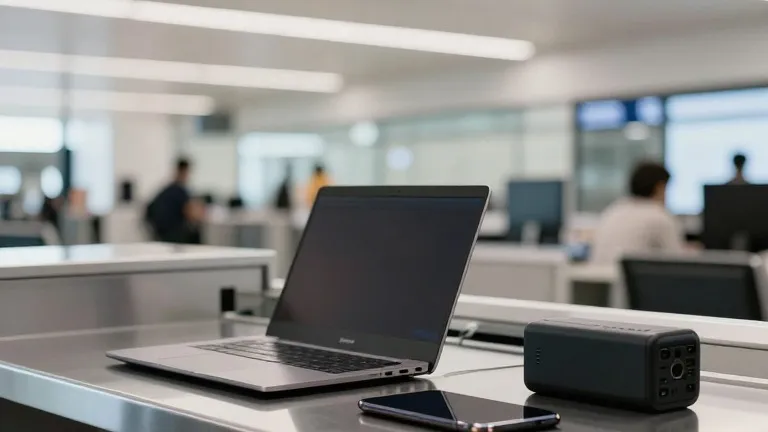
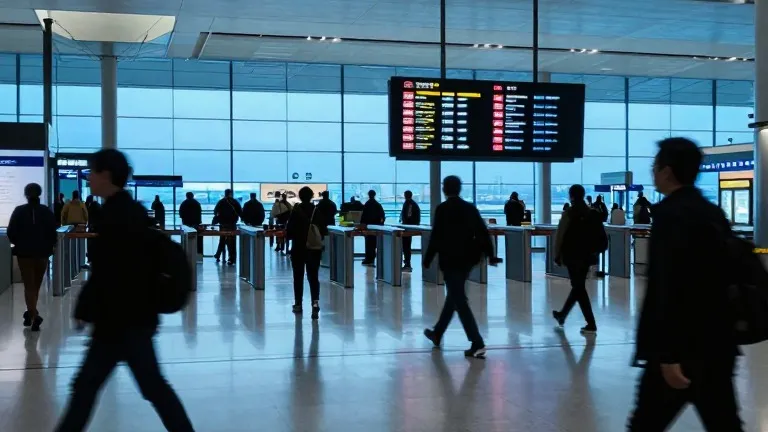
U.S. border officers searched 52,080 electronic devices during the first nine months of fiscal 2026, a figure that has prompted calls for congressional oversight and left gaps in the public data. The total covers October 1, 2025 through June 30, 2026, compared to 39,251 searches over the same period the previous year. That pace approaches the full-year record of 55,424 searches recorded in fiscal 2025.
U.S. Customs and Border Protection classified 47,517 of this year's inspections as basic searches, which require no reasonable suspicion of wrongdoing. Another 4,564 were advanced searches, which permit officers to analyze or copy a device's contents when they suspect unlawful activity or a national security concern.
The agency declined to disclose how many searches occurred at the Canadian border versus the Mexican border, or how many took place at airports rather than land crossings. CBP also withheld the total number of travellers who entered the country during the period and the count of searches involving U.S. citizens versus non-citizens, data points generally included in its annual reports.
Esha Bhandari, director of the American Civil Liberties Union's Speech, Privacy and Technology Project, said the lack of context limits what can be understood from the totals. "It's hard to speculate on the reasons for the increase because the government doesn't explain it," she said, adding that aggregate figures make it difficult to determine what is happening at specific crossings. She said the anecdotes her group receives are "certainly troubling," including travellers being questioned about political opinions, writing or religious practice.
In January, CBP updated its guidelines to cover flash drives, SIM cards, GPS systems, unmanned aircraft systems, vehicle infotainment systems and smart watches. The revision also added smuggling of narcotics, firearms or other goods, transnational theft of proprietary information and digital contraband to the list of targets. Bhandari described the changes as altering only "a few procedures at the margins."
Laura Dawson, executive director of the Future Borders Coalition, said the figures cannot be assessed without knowing where the searches happened and how many people crossed. She noted that the World Cup this summer may have brought a more diverse mix of visitors, along with closer co-operation between Canadian and U.S. border services on human smuggling and the Ryan Wedding case. Dawson said that by her figures, one in 9,000 crossings leads to a U.S. inspection, compared with one in 14,000 on the Canadian side. The Canada Border Services Agency says its 2026 statistics are not yet available.