Chronic pain management moves beyond the binary of suffering and strong drugs
Medical experts outline how identifying root causes and adjusting daily habits can reduce reliance on potent medication.
By Vanessa Lopez ·
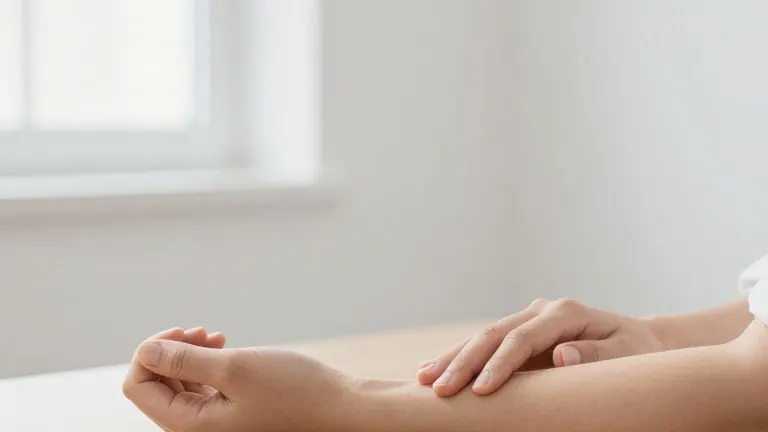
Chronic pain does not require a choice between enduring discomfort and taking strong medication.
Dr. Rhea Rogers, a board-certified physician, stated that effective treatment begins with identifying the specific source of the pain. She explained that pain may originate from damaged muscle, damaged tissue, nerves, or an overly sensitive nervous system. "Your treatment is going to depend on why you have the pain," Rogers said. This diagnostic approach allows for targeted interventions rather than a one-size-fits-all medication strategy.
Experts emphasized that lifestyle factors often drive or worsen chronic conditions. Amy O’Rourke, an aging expert, described her experience with chronic back pain around age 50. A chiropractor advised her to stop wearing high heels, use an ergonomic cushion at work, and cease running. "I was so grateful that he told me what not to do to help my pain get better," O’Rourke said. She later saw a physiatrist for a hip issue and was taught to sleep on her side with a pillow between her legs, which resolved her pain.
Gerontologist "Sam" Cradduck noted that she injured her lower back in her 20s and declined surgery. She was advised to push her car seat up to improve posture. Cradduck listed several non-surgical options, including acupuncture, dry needling, chiropractic care, cognitive behavior therapy, and massage therapy. She also described transcutaneous electrical nerve stimulation units, which are used for muscle pain. Rogers added that several aesthetics places use similar machines that increase blood flow and help mobility.
Sleep quality emerged as a critical but often overlooked component of pain management. Rogers acknowledged that pain often interferes with sleep, but she noted that achieving good sleep can actually help reduce pain. "But if you get really good sleep, then it can actually help your pain, if you can get to that point," Rogers said. Inflammation also plays a role, and Rogers urged patients to look for the source of inflammation because it makes pain worse.
Aging well coach Katherine Ambrose explained that deconditioning can contribute to pain. She described a cycle where lack of exercise leads to weakness, which then triggers a cascade of physical issues. "Sometimes it’s just deconditioning, like we haven’t been working out like we should, and then we become weaker, then it is kind of a cascade of things," Ambrose said. Rogers agreed that movement is vital because it increases blood flow and prevents stiffness. Physical therapy can help work the muscles around an injury to provide support during healing, according to O’Rourke.
Medical professionals cautioned against both over-reliance on medication and a fear of it. Cradduck said she has seen 95-year-olds who have had hip replacements decline prescribed medication because they feared addiction. She argued that the goal is not always to be 100 percent pain-free. "It’s when pain interferes with your daily living that you have to really be concerned," Cradduck said. Ambrose added that people often accept pain as a normal part of aging when that is not the case.