CBI urges immediate reform of Brexit business travel rules
The Confederation of British Industry is urging the UK and EU to prioritize easing business travel restrictions in 2027 to boost trade and investment.
By Amir Navarro ·

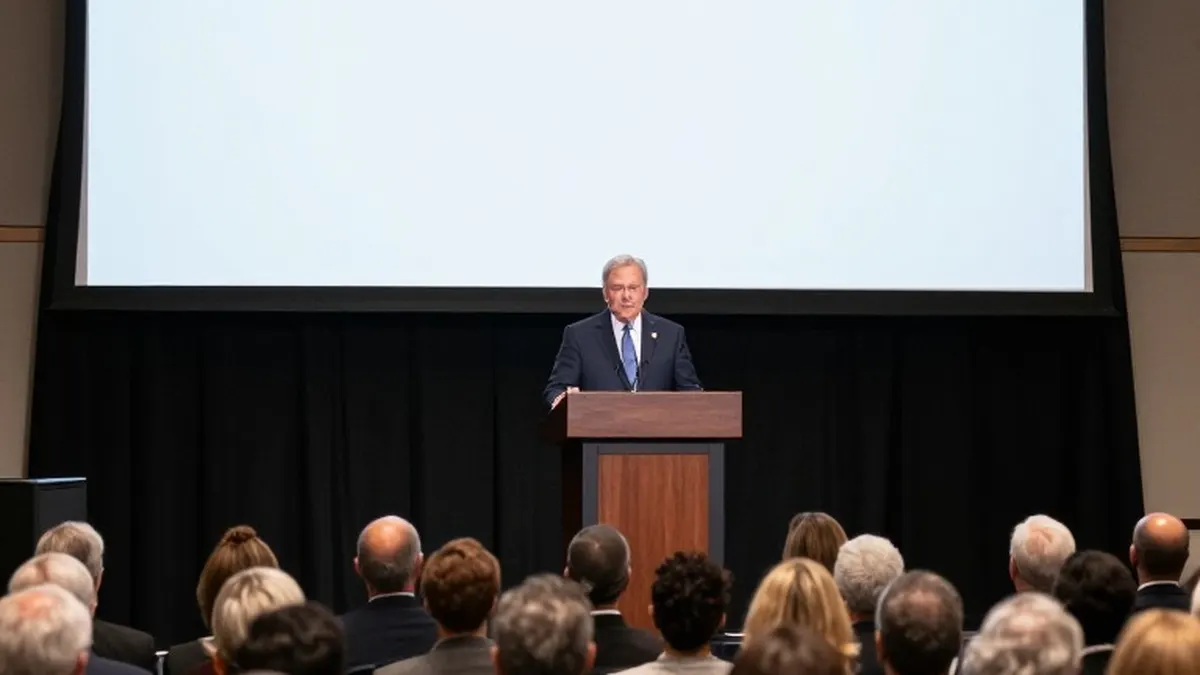
Business leaders in the United Kingdom have issued a pressing call to both the UK government and the European Commission to relax post-Brexit restrictions on cross-Channel travel for employees. The Confederation of British Industry, which represents some of Britain's largest corporations, stated that current barriers are significantly hampering trade and deterring investors. This advocacy follows a summit in Brussels this week, where industry bosses sought commitments from Prime Minister Andy Burnham and European political leaders to prioritize these issues in 2027.
Sean McGuire, the CBI's director of Europe and international, expressed frustration with the pace of progress. He noted that despite a UK-EU summit in 2025 under Keir Starmer that referenced improving business mobility, very little has been achieved. McGuire highlighted that the emphasis in recent discussions has largely been placed on youth mobility rather than the needs of established business operations. He argued that these discussions should have been a central priority during the talks held this week.
The CBI welcomed Prime Minister Burnham's recent calls for a reset with Europe, a move intended to reverse some of the economic damage caused by Brexit. However, the organization warned that existing restrictions, such as the requirement for work permits, are creating friction at a critical time. Both the UK and the EU are currently working to build economic resilience against China, and these travel barriers are complicating that effort.
Sector leaders in energy, defence, and the automotive industry have reported that the inability to travel freely across Europe is hindering their ability to service and run multinational operations. McGuire stated that the issue is of mutual interest as both sides build upon existing laws to protect European supply chains. He suggested that with youth mobility potentially secured in a Friday deal, attention should now shift seriously to business mobility, which affects both the goods and services sectors.
Under current post-Brexit rules, British citizens travelling to the EU are limited to 90 days of stay within any 180-day period. This constraint severely limits companies' ability to promote employees and manage travel schedules. McGuire pointed out that a chief executive officer of a multinational company can easily reach this 90-day limit, creating administrative burdens for frequent travellers.
In addition to time limits, work permits must be obtained for each individual country a worker visits. This requirement particularly affects the servicing of high-value equipment in the engineering sector. Products such as lifts, escalators, and factory machines often come with maintenance contracts that require regular on-site attention, making the current permit system inefficient.
McGuire emphasized the distinction between irregular migration, which needs to be tackled, and business mobility, which drives investment in both directions. He noted that while an agreement on youth mobility is close, Prime Minister Burnham faces similar obstacles regarding opportunities for under-30s. This group would be offered a three-year visa scheme to work, travel, or study in the EU.
One EU diplomat described the situation as a tricky negotiation, noting that while the UK is dealing with Brussels, work permits remain a national competency for member states. McGuire proposed a quick fix for business mobility involving changes to the annex of the EU-UK trade and cooperation agreement. This approach would allow the two sides to expand visa-free business travel across more industries without the need to rework the main treaty.
The CBI also expressed disappointment over the lack of progress on the mutual recognition of qualifications. Currently, British and EU professionals cannot practise in each other's territories as freely as they did before Brexit. Sources indicated that a prevailing view in Brussels is that mutual recognition benefits the UK more than the EU, which has caused the energy around these talks to drain away.