Blue Planet III producers keep murky footage to prove shots are real
BBC Studios executive confirms no AI frames were used in the new ocean series, citing a strategy to preserve authentic underwater imperfections.
By Amir Navarro ·
The producers of the new BBC nature series Blue Planet III have deliberately retained cloudy, low-quality underwater footage to demonstrate that the scenes are genuine. In an era where artificial intelligence can generate hyper-realistic imagery, the team decided to keep visual imperfections as a marker of authenticity. This approach marks a shift from previous standards in high-end nature documentary production.
Executive producer Elizabeth White explained that the rise of AI has driven the crew to prioritize an organic aesthetic. She stated that AI makes the team want to be even more authentic in their presentation. White noted that the creatures filmed in the deep ocean are likely more remarkable than AI could imagine, and that the footage is completely real. This strategy counters the trend of using advanced editing to polish away natural flaws in marine environments.
In the past, editors might have discarded sequences where plankton obscured the view or where boats and buoys were visible in the frame. They also often rejected shots taken in poor water conditions. For this new installment, the production team is keeping those details. White said the team is leaning into that authenticity and expects to use even murkier imagery as AI technology continues to improve.
Jack Bootle, the BBC’s head of specialist factual commissioning, provided a specific assurance to journalists at a press screening. He confirmed that no generative AI was used in the series. He stated that not a single frame is artificial and that the entire program consists of real photography. Bootle described the current moment as a golden age of natural history-making, where viewers might feel they have seen all possible behaviors before.
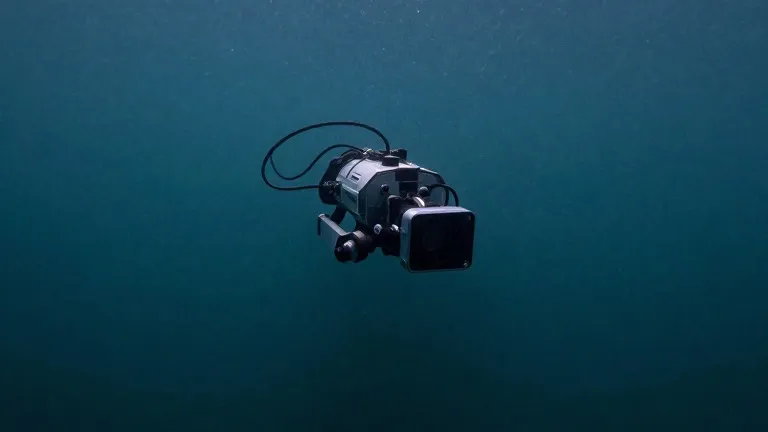
However, Bootle argued that this series is bursting with novel behavior that audiences have not encountered. One sequence shows dolphins using sea sponges to block holes in coral and trap fish. This specific behavior was recorded using underwater CCTV technology developed by the program’s producer and director, Yoland Bosiger. The camera, nicknamed the stonefish cam, is described as the world's first underwater CCTV camera.
Other new sightings include a grouper communicating with a different species of fish. The series also features 200,000 crabs lining up in formation to feed. In another scene, sea urchins are shown using shells as sun hats. A penguin sequence in the series echoes a famous moment from the earlier Planet Earth II, where iguanas interacted with snakes. These clips were part of the material shown to the press.
Filming for the series took four years and covered five oceans. Series producer Lara Bickerton said that BBC Studios continually innovated during the production. The team built a mini-dome camera to follow an octopus and created a device described as a deep-sea selfie stick. Camera operators also wore leg-mounted scooters to capture immersive diving footage in a style similar to TikTok videos. Lasers were used to film animals in the deep sea.
The narrative of the series addresses both threats to the ocean and its resilience. One episode details how warmer seas caused by the climate crisis are killing the sea anemones that serve as homes for clownfish. The footage shows the fish attempting to repair their damaged habitats. White said the series continues the plastics theme from Blue Planet II by including a story on pollutants and forever chemicals.
David Attenborough, who is 100 years old, narrates the series. Bosiger said Attenborough was very much involved in the process and made changes to the scripts. White added that Attenborough has not lost his curiosity and remains excited when shown new footage. The series is scheduled to begin on Sunday, 1 November, on BBC1 and iPlayer. The production noted that it saved money by using more local crews on location than in previous projects.
Source: The Guardian