Netanyahu Meets with Eisenkot for Security Briefing Amid Political Deadlock
The Prime Minister held a diplomatic and security session with the Yashar party leader following repeated appeals and legal requests for official updates.
By Amir Navarro ·
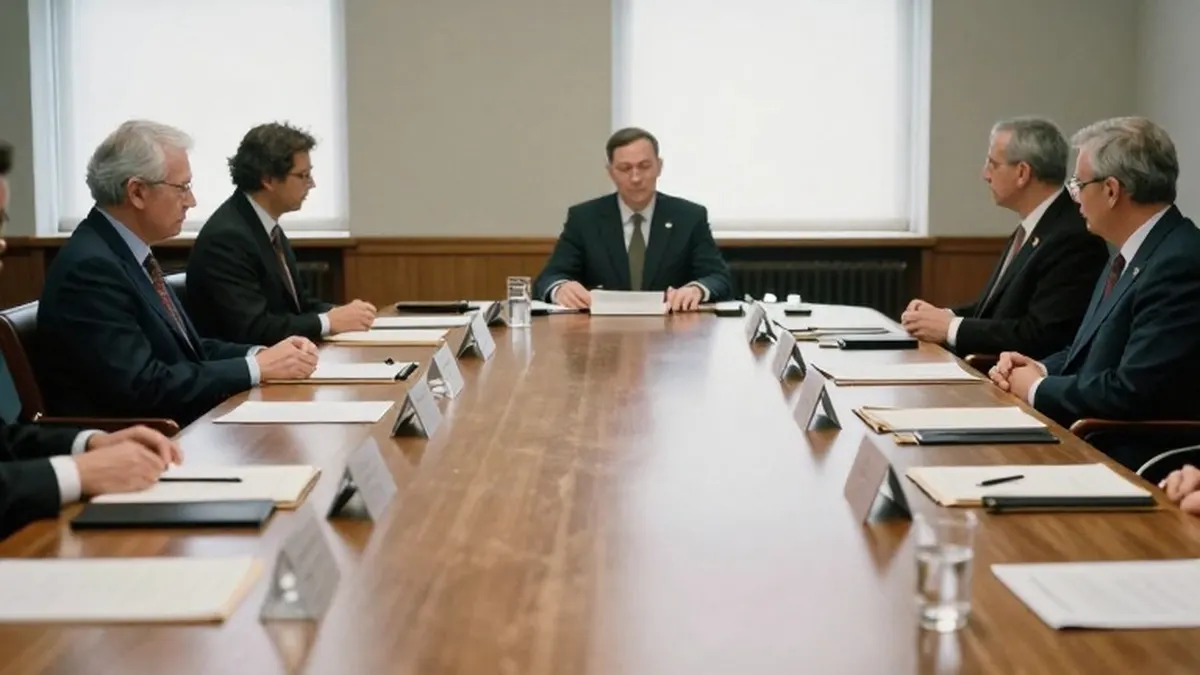
Prime Minister Benjamin Netanyahu met with Gadi Eisenkot, the leader of the Yashar party, on Thursday for a combined diplomatic and security briefing. The session took place at the Prime Minister's Office and was attended by the prime minister's military secretary. This meeting marks a significant development in the ongoing political landscape, occurring after Eisenkot made multiple attempts to secure such briefings. He had previously stated that these requests had been denied, prompting him to call for greater caution in security decision-making while the current administration operates in a caretaker capacity.
The timing of the meeting coincides with recent reports of renewed tensions between Netanyahu and Lieutenant General Eyal Zamir, the Chief of Staff of the Israel Defense Forces. The two figures have reportedly disagreed over the potential resumption of military action against Iran. This backdrop of strategic debate adds urgency to the discussions held in the Prime Minister's Office regarding the nation's current security posture.
Prior to the Thursday session, Eisenkot took formal action to ensure he received the necessary information. On Wednesday, he appealed to Attorney General Gali Baharav-Miara, asking her to intervene and guarantee that he would receive regular security briefings from the Prime Minister. These updates would cover the current threat assessment. Eisenkot emphasized that such briefings are essential to maintain effective oversight, support a proper national decision-making process, and safeguard the country's security interests.
Under existing law, the prime minister is required to provide the opposition leader with a security briefing at least once a month. Eisenkot has been requesting these updates because no new opposition leader has been officially appointed to replace Yair Lapid. This vacancy exists while coalition negotiations continue between the various political blocs. The lack of a designated opposition leader has created ambiguity regarding who is entitled to receive these mandatory updates.
The political environment remains tense due to a deadlock between Netanyahu's bloc and the coalition seeking to replace him. Following the election held on October 27, a new government has yet to be formed. As a result, Netanyahu will continue to serve as caretaker prime minister until a stable government is established. This interim period has heightened scrutiny over the executive branch's management of national security and foreign policy.
In parallel with the security discussions, Eisenkot is actively working to form the next government. President Isaac Herzog tasked him with this responsibility. Eisenkot has 28 days from Sunday to complete the formation of a cabinet. He also holds the option to request a 14-day extension if necessary. This mandate places him in a dual role, acting as a key political figure while also seeking to hold the executive branch accountable.
The Prime Minister's Office issued a statement on Wednesday to address the situation. The statement defended Netanyahu's security decisions, asserting that all government actions were based solely on security considerations. It further noted that these decisions were made in full coordination with the security establishment. This official response aimed to clarify the rationale behind the administration's recent moves and reassure the public of the government's focus on national defense.
Before the Thursday meeting was officially announced, Eisenkot had argued that Netanyahu was preventing him from receiving the requested briefing. This claim highlighted the friction between the two leaders regarding transparency and protocol. The eventual holding of the meeting suggests a resolution to this specific point of contention, allowing for a direct exchange of information between the Prime Minister and the Yashar party leader.
The outcome of this briefing may influence future political negotiations and security strategies. As Israel navigates a period of political transition, the clarity and frequency of security communications between the executive and key political figures will likely remain a focal point for both the public and the media. The coming weeks will reveal how these discussions impact the broader efforts to form a new government and manage ongoing regional threats.