Angola Prison Rodeo Reaches 60th Season as Inmates Compete for Cash and Craft Sales
At the Louisiana State Penitentiary, roughly 1,000 men earn rodeo privileges while others use the event to sell handmade goods and support family members.
By Vanessa Lopez ·
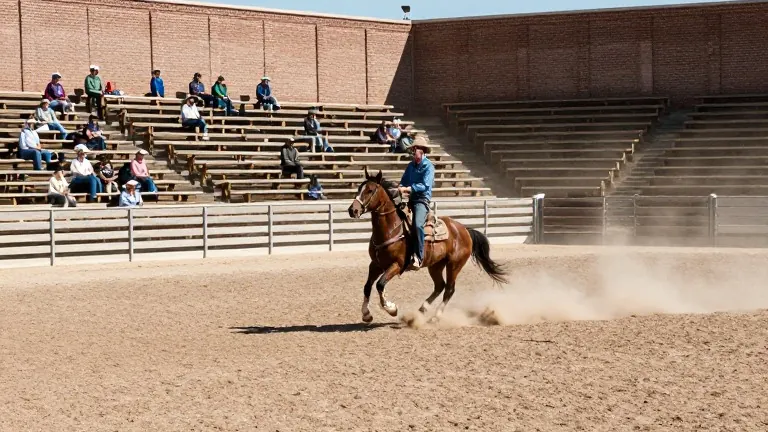
The Louisiana State Penitentiary, commonly called Angola, will hold its 60th annual rodeo this year. The facility sits at the end of a 20-mile road in Louisiana where it meets the Mississippi River. It holds nearly 5,000 men, most of whom are serving life sentences. Approximately 1,000 of these inmates have earned special privileges through good behavior.
These privileges include driving tractors, breaking horses, and learning trades. The most competitive inmates participate in the annual rodeo events. The competition takes place during one weekend in April and on Sundays in October. Spectators watch inmates compete in bull riding and bareback riding. Warden Darrel Vannoy, who has worked in corrections for more than 50 years, confirmed the event is reaching its 60-year mark.
Kevin Gildhouse, known as Country, is serving life without parole. He was convicted at age 19 of killing a cab driver during a robbery. Gildhouse has served for almost 20 years. He describes the rodeo as a temporary break from prison life where the barriers seem to disappear. He values the camaraderie among riders who share the physical toll of the sport.
The prison began as a slave plantation and gained a reputation for harsh conditions. In 1951, a group of inmates cut their own Achilles tendons to avoid field work. The rodeo started forming in the mid-1960s as conditions improved. Vannoy stated that the inmates are human beings, not animals, and are often better than their worst days.
Travis Johnson, nicknamed Buckethead, holds the title for the bare-back whistle event. He was sentenced to life without parole for two first-degree murders committed at age 18. Johnson describes the rodeo as a moment of accomplishment. Critics outside the prison have compared the event to a Roman colosseum. Johnson counters that the competition allows inmates to earn money and respect, noting that a cowboy is a cowboy regardless of race.
Not all participating inmates ride. Kenny Palmer, known as 300, is serving life without parole for a drug deal killing. He spends his time crafting chessboards and beaded necklaces. Inmates sell these items to the public during the rodeo. Palmer keeps most of his earnings, paying only a small percentage to the prison. He uses the income to open a brokerage account for his niece and teach his family about financial literacy.
John Corley, the editor of the prison magazine Angolite, is also serving a life sentence without parole for second-degree murder. He argues that giving inmates a purpose helps them endure their time inside. Corley notes that many prison staff, including the warden, have worked at Angola for generations. He believes that when inmates have something to do, they become better versions of themselves.
Two inmate cemeteries near the rodeo grounds hold the remains of men not claimed by family. A plaque written by Corley asks visitors to remember that the men were human beings. The event ends with the Guts and Glory competition, where riders compete for a cash prize. For participants like Gildhouse and Johnson, the rodeo provides a way to find identity and freedom within the prison walls.
More World · National news · Report a business · Got a Story?